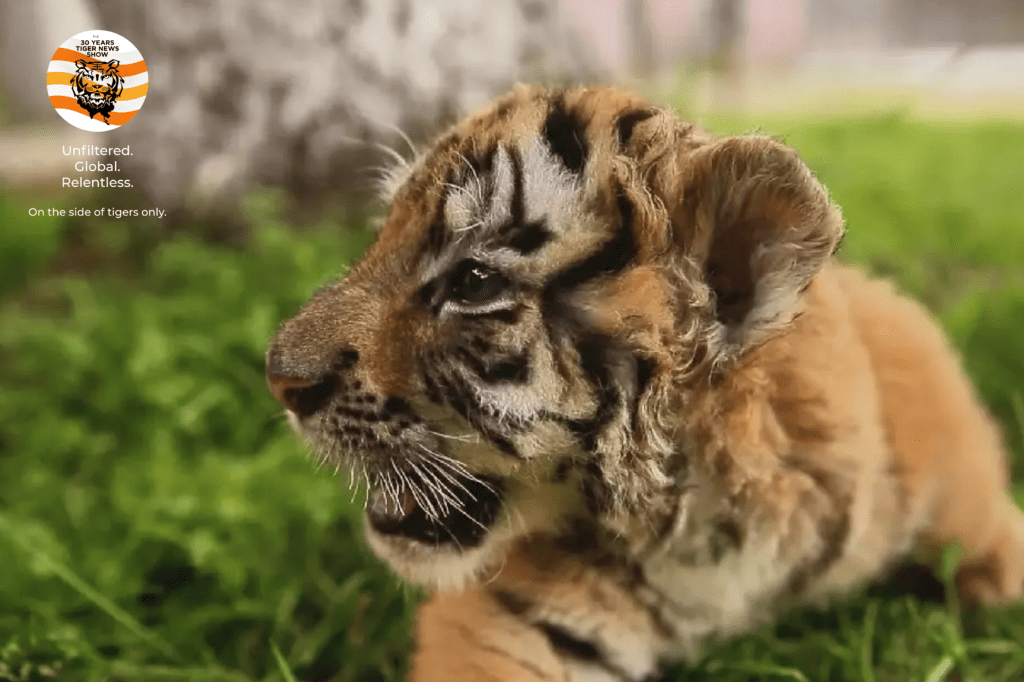
Tiger farming is the only honest name for what the Siberian Tiger Park in Hailin is displaying, as reported by Bastille Post. More than 30 Siberian tiger cubs have reportedly been born there since early April, during the annual breeding period. The article presents incubators, milk feedings, temperature checks, weighing, bowel assistance and outdoor exercise as careful conservation. That is the trick. Keep the camera on soft cubs, and industrial breeding starts to look gentle. But more than 30 cubs in one season is not wild recovery. It is production, and production needs to be named without mercy, publicly now.
Tiger Farming Hides Behind Cub Care
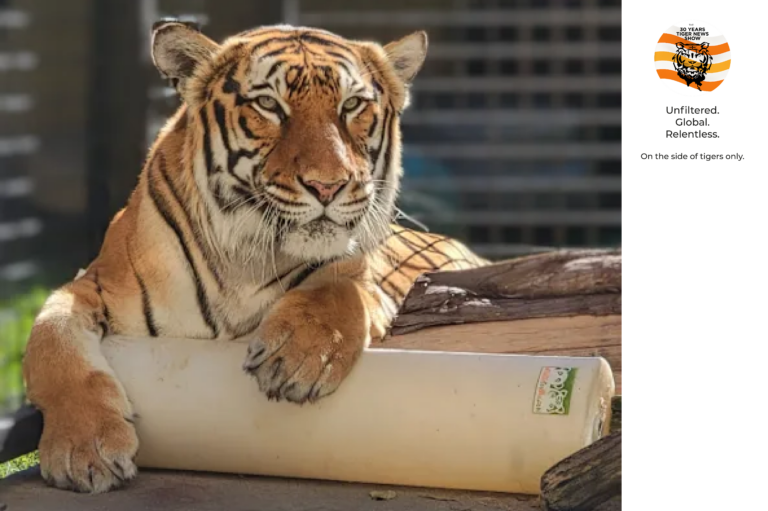
The park belongs to the China Hengdaohezi Feline Breeding Center, described as the world’s largest breeding center for Siberian tigers. It reportedly began in 1986 with eight tigers, and the article says it has bred more than 1,100 Siberian tigers. That number is already disturbing. User-provided context challenges it as far too low, suggesting the real scale is closer to tenfold. Either way, the institution cannot be made respectable by shrinking the language around its output.
The article describes newborn cubs with partly closed eyes inside incubators kept around 28 degrees Celsius. Keepers feed them every four to six hours, monitor temperature, weigh them, assist bowel movements and later introduce minced meat. Tiger farming uses these details to create tenderness, but care is not the same as conservation. A cub can be fed well and still be born into a system that should not exist.
Endangered Does Not Justify More Captivity
Babies make cages look kind. They make breeding schedules look like rescue. They turn inventory into emotion. But a cub raised for a park is not a restored wild tiger. It is another captive life created because humans keep choosing ownership over freedom. The article correctly notes that Siberian tigers are endangered. That truth should lead to habitat protection, prey recovery, anti-poaching enforcement and political action in real tiger landscapes. Tiger farming instead confuses quantity with recovery because big numbers are easy to advertise.
Wild survival is harder. It requires forests, borders, law enforcement, corridors and restraint. A breeding center can claim it protects an endangered species, but the claim collapses if the animals have no meaningful wild future. Tigers raised in incubators, named by keepers and managed in parks do not repair ecosystems by existing. They maintain an institution. They keep the public looking at striped babies instead of asking where all these animals go, how they live and what happens when they age.
Captive Production Is Not Protection
Tiger farming dodges those questions by calling multiplication protection. It also damages the moral line that should be absolute: tigers are not products. Every mass-breeding institution creates more animals under human control while wild tigers remain threatened by poaching, habitat loss and trade. Even if staff work carefully, the structure remains wrong. Good feeding cannot clean bad captivity. Warm incubators cannot make industrial breeding ethical.
The most obscene part is how little this system now bothers to hide. The story openly celebrates a breeding surge, feeding routines and the park’s long production history. The institution says endangered, the camera shows cubs, and the public is expected to feel comfort instead of suspicion. No wild tiger is saved by replacing freedom with mass captivity. Tiger farming survives because people are trained to confuse veterinary care with moral purpose. No cub becomes a conservation success because its body temperature was managed, weighed, fed or photographed for public comfort.
The world does not need more tiger parks celebrating births while real tiger habitat is still threatened by poaching, infrastructure, trade and political weakness. It needs fewer breeding machines, fewer parks using babies as publicity, and less propaganda pretending captivity is kindness. This case belongs inside the reality of captive tiger cruelty, where breeding is sold as care while ownership remains the point. This is not hope. It is the industrial production of lives that should never have been manufactured for display, sold through cub softness, or excused as conservation. Tiger farming should be rejected, not polished for public consumption.
Source: Bastille Post, Hong Kong
Photo: Bastille Post, Hong Kong