Glasgow zoo is being remembered through nostalgia, but the harder truth is that its closure was not a tragedy for modern conservation, as reported by Daily Express. The former Calderpark zoo opened in 1947, drew around 140,000 visitors a year at its peak, and once held more than 600 animals. Lions, bears, monkeys, reptiles, rhinos and polar bears were displayed as public attraction. By 2003, the institution was finished, carrying debts of about £3.5 million and failing to renew its zoo licence after struggling with newer animal welfare standards. Welcome to the 21st century: some institutions should stay closed.
The article presents old photographs and visitor memories, but Glasgow zoo also faced falling numbers, funding pressure and criticism over animal welfare in its final years. That matters more than sentiment. A place can be locally famous and still be morally outdated. Childhood memories do not excuse captive lives. School trips do not erase confinement.
Glasgow zoo Was Built For Another Century
Glasgow zoo came from a different world. Its early buildings were reportedly made with recycled wartime materials after World War 2, including concrete roadblocks, metal from battleships and bricks from former air raid shelters. Animals were donated from other collections and zoos. That history may sound resourceful, but it also shows the old thinking: collect animals, display them, educate children, sell tickets, call it public good.
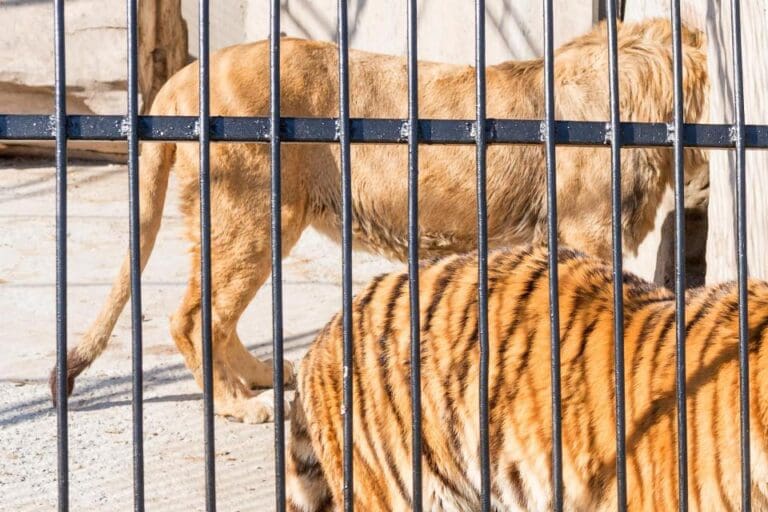
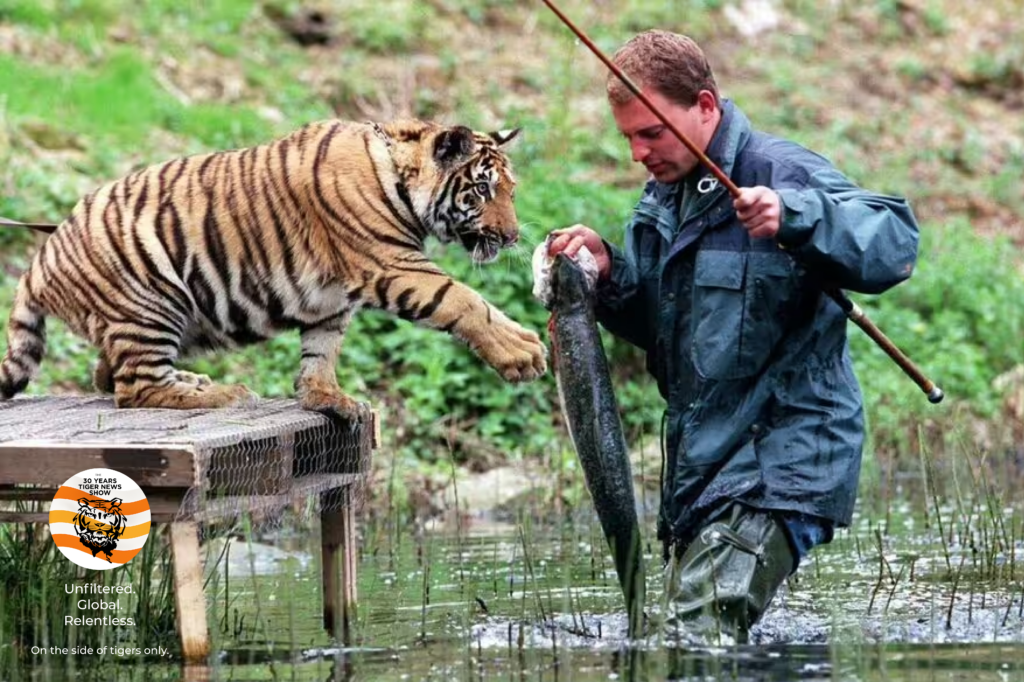
That model has aged badly. Modern audiences know more about stress, confinement, welfare, social deprivation, breeding problems and the false conservation branding used by captivity businesses. A polar bear in Scotland was never a conservation triumph. A tiger coaxed toward water for human viewing was never dignity. Glasgow zoo failed financially, but the deeper failure was the idea itself: wild animals turned into civic entertainment until the system could no longer support the display.
Debt Was Not The Only Warning
By the late 1990s, Glasgow zoo was struggling against declining visitors, competition from Edinburgh zoo and rising welfare expectations. It tried selling land and hiring out animals to raise money. That sentence alone should end the romance. When an institution holding living animals reaches the point of commercial improvisation, the animals become hostages to poor finances. Captivity always depends on stable money, staffing, infrastructure and public appetite. When those collapse, animals pay first.
Reports of poor conditions and allegations around welfare attracted criticism before closure. The zoo eventually failed to meet newer standards. Good. Standards should rise. Institutions that cannot meet them should not survive because people feel nostalgic. Glasgow zoo closing in 2003 was not evidence that culture lost something precious. It was evidence that public tolerance had started moving, too slowly, away from outdated animal display.
Glasgow Zoo Should Stay A Warning
Before closure, staff worked with the Scottish SPCA to move animals to other zoos and wildlife parks. That may have been necessary, but moving captive animals between captive systems is not liberation. It is damage management after decades of ownership. The best lesson is not that old zoos need better funding. The best lesson is that society should stop building emotional dependence on places that require wild animals to live under human control.
The article calls the former site incredible. That word belongs to the wrong side. What is incredible is how long people accepted lions, bears, polar bears and other animals as weekend scenery. What is incredible is that nostalgia still tries to soften institutions built on confinement. Glasgow zoo should be remembered honestly: as a relic of a century that treated animal possession as education.
The future does not need more zoos polishing the same argument with better branding. It needs habitat protection, sanctuaries where necessary, anti-trafficking enforcement, and public education that does not require captivity as the price of attention. The hidden cruelty of captive breeding begins when humans decide animals exist to be managed, displayed and explained on our terms. Glasgow zoo closed because the model cracked under debt, scrutiny and welfare demands. Good. Let it remain closed, and let the lesson outlive the nostalgia.
Source: Daily Express, United Kingdom