Tourism around tiger reserves is no longer just a harmless promise of wonder, revenue and conservation support, as reported by Down To Earth. The article argues that India’s safari gaze now shapes how wildlife is consumed, photographed, commodified and understood, especially in tiger landscapes where local communities and animals carry the pressure. Tiger populations are widely celebrated, and that achievement matters. But life in buffer areas often tells a harder story. Overtourism, expanding reserves, human-wildlife interactions and unequal benefits are turning conservation landscapes into contested spaces where the people closest to forests are too often heard last.
Tourism Is Not Shared Equally
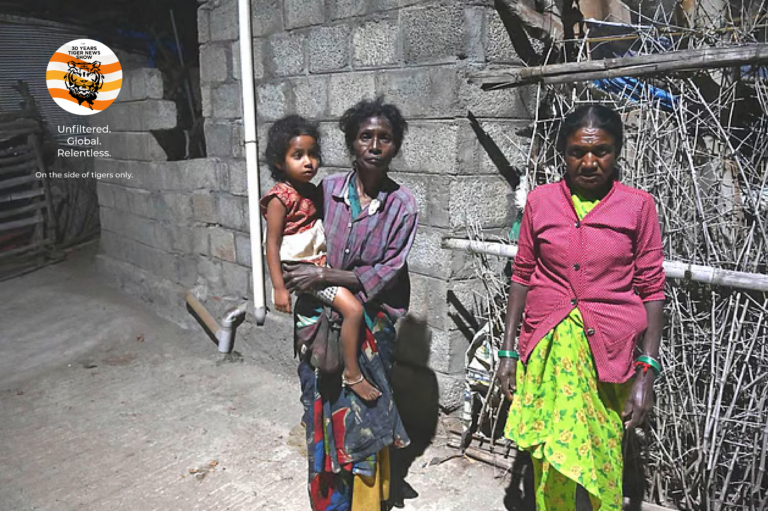
Local opposition is growing because benefits are not evenly distributed. Around Tadoba Andhari Tiger Reserve, one local resident said only a few families in each village may gain work as resort staff or guides, while others see tourists pass by damaged fields. In Karnataka, farmers protested against safaris and illegal resorts after fatal human-tiger encounters, and parks stayed shut for nearly two months.
Adivasi groups from Karnataka, Tamil Nadu and Kerala also condemned wildlife tourism and forest expansion during a May 2026 meeting. They described displacement, loss of land relationships, disturbed burial ties and landscapes being turned into commercial safari destinations that welcome thousands while excluding communities rooted there. Tourism cannot be called conservation if it erases the people whose presence and knowledge helped forests survive.
The Safari Gaze Changes Tigers
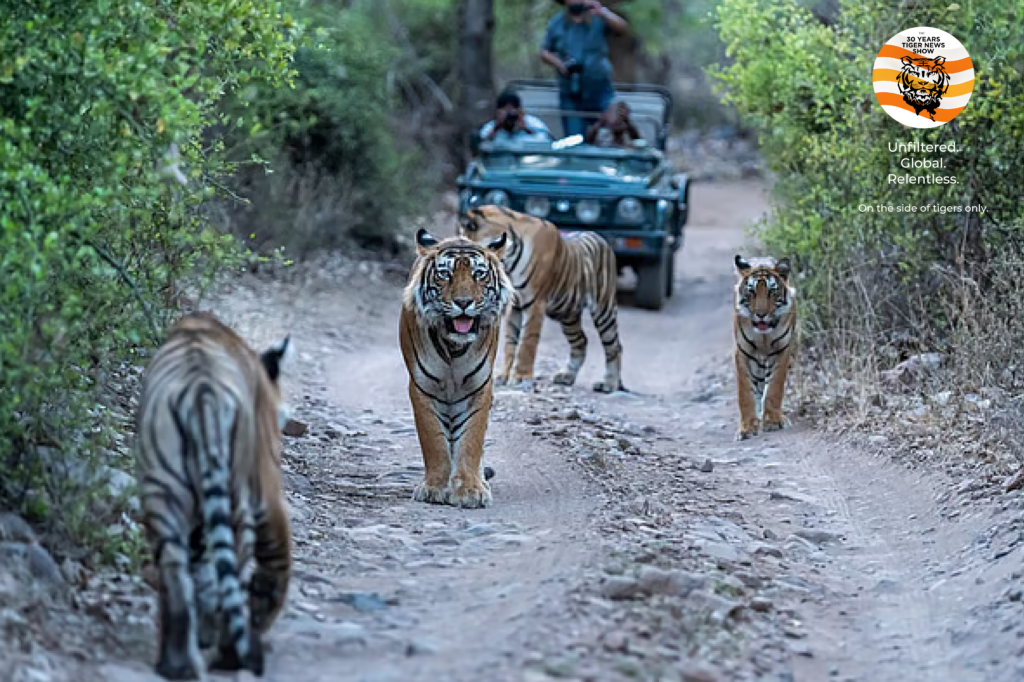
The article argues that safari culture is built on consumption, commodification and hierarchy. Jeeps, canters, cameras, sightings and social media all shape a visitor’s idea of wilderness. A tourist with money can buy better access, better angles and better chances of seeing a tiger. That privilege is rarely admitted inside the romantic language of wildlife travel.
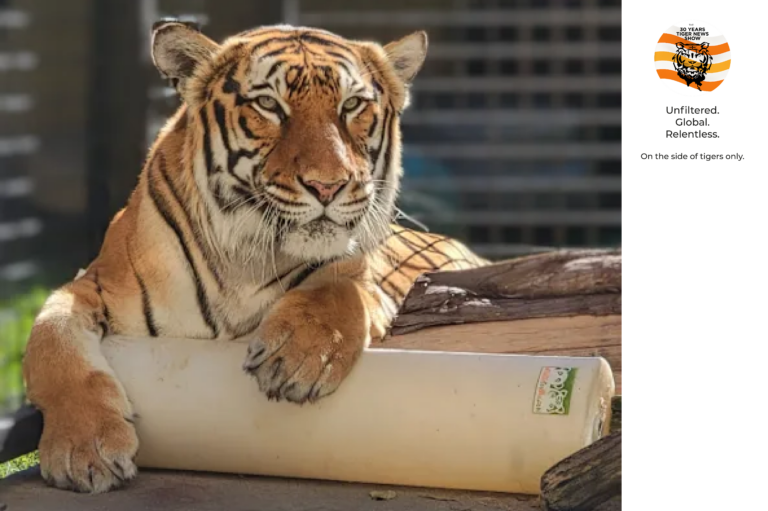
Tourism also affects animals. The article notes concerns about overtourism harming habitats and influencing tiger breeding behaviour. Locals in Maharashtra and Karnataka have observed changes in tiger behaviour, including reduced fear of people after repeated safari encounters. These observations should not be dismissed because they come from people outside elite conservation circles. They are field knowledge from people who live with the consequences after the tourists leave and the jeeps stop roaring.
Tourism Turns Tigers Into Celebrities
Tiger obsession now moves through social media, fan pages and individual tiger branding. Tigers become kings, queens, stars and personalities, followed like celebrities. That attention can create affection, but it can also distort priorities. When notable tigers are linked to attacks, online protest against capture can delay necessary action and increase risk for local communities. The safari gaze loves the photographed tiger, but may ignore the village living beside that same animal.
The article also points to a troubling imbalance in attention. Wildlife deaths and tiger-related incidents can dominate public debate for days, while deaths of local people may receive less acknowledgement. That double standard damages trust. If conservation speaks loudly for animals but quietly for people living at forest edges, it creates resentment that tigers ultimately pay for too.
A Better Model Must Look Beyond Sightings
The reel and selfie culture around safaris has made the problem worse. Jeeps crowding animals, blocking movement, catcalls and excitement during mock charges show how easily respect turns into spectacle. Locals, meanwhile, are often judged more harshly when they react to wildlife near farms or homes. That contradiction is not fair, and it is not useful.
Tourism should be regulated around ecological limits, community consent, fair benefit-sharing and animal welfare, not only visitor demand. Protecting existing forests may matter more than opening new ones to safari pressure. Tigers are not entertainment workers for golden-hour images. Forests are not empty stages. This debate belongs inside the high price of being seen, where the camera, the jeep and the ticket can all become pressure. The future of tiger landscapes needs less spectacle, more humility and a conservation model that does not ask local communities or wild animals to keep paying for someone else’s view.
Source: Down To Earth, India
Photo: Down To Earth, India