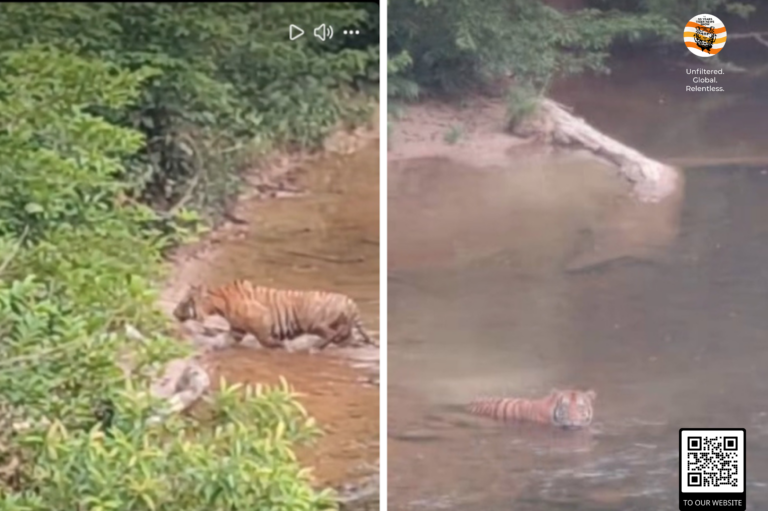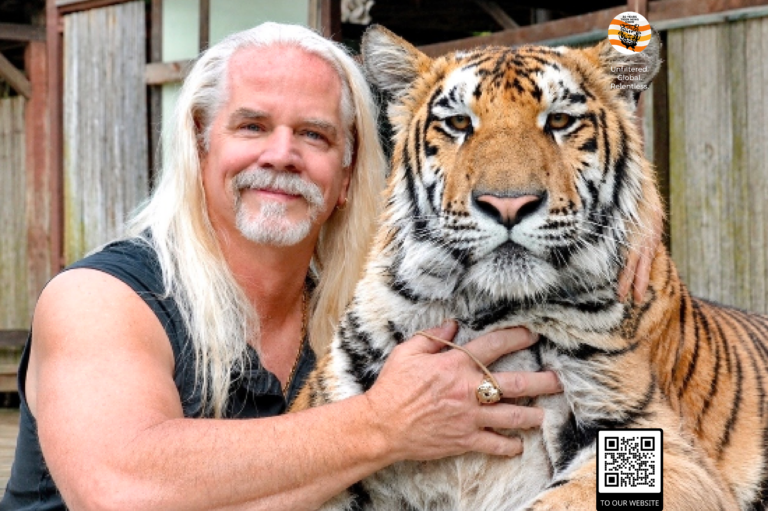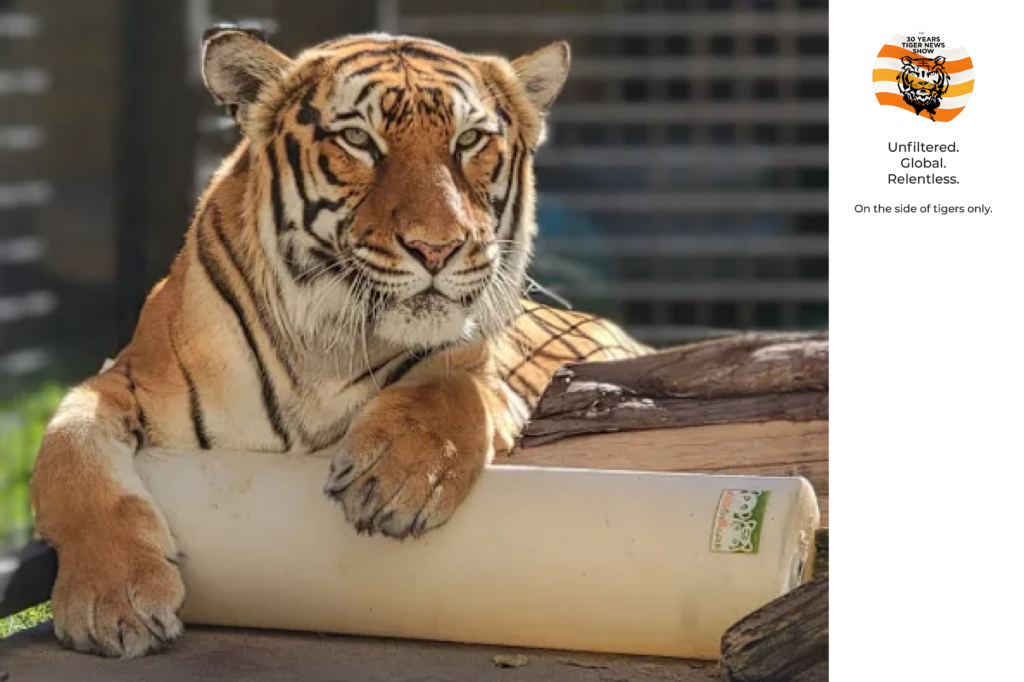
Euthanasia is the word used when a captive tiger dies by human decision, and Bunga’s death at Hattiesburg zoo shows how easily that decision can be framed as mercy, as reported by AOL. The Malayan tiger was put down after a rapid health decline. His care team observed lethargy on Monday, worsening listlessness and refusal of food by Tuesday, and diagnostic testing found fluid around his heart and lungs. He had recently been diagnosed with hypertension and disc disease. At nearly 15 years old, he was close to the wild lifespan range cited by the zoo. The medical facts matter. So does the power imbalance.
Captive Euthanasia Moves Without Consent
Bunga’s case should be treated with accuracy. The article says the veterinary team, working with animal care staff, decided to prevent further suffering after finding a serious and life-threatening condition. That may be defensible in the narrow clinical sense. A medical end can spare pain when a body is failing and treatment no longer offers a meaningful path. Nobody serious should pretend every final care decision is cruelty.
But the double standard begins before the injection. In the United States, humans facing suffering, terminal illness or irreversible decline are surrounded by law, consent, religion, politics, family conflict and public argument.
Euthanasia for a captive tiger, by contrast, rests with the institution that confined him. He cannot consent, refuse, request, appeal or explain pain.
The zoo speaks. The tiger disappears. While the tiger is far more endangered than humans.
Ambassador Language Hides Ownership
The zoo described Bunga as an extraordinary animal and an important ambassador for his species. The familiar captive script followed: love, care, grief, ambassador, loss. The words are soft. The structure is not. Captive tigers are displayed, moved, bred, managed, treated and killed under human control. Even compassion arrives through ownership. That is the part zoo language rarely admits.
The Malayan tiger is critically endangered, with fewer than 150 estimated to remain in its natural habitat, according to the article. Euthanasia may have been the final event, but captivity was the longer condition. If the species is collapsing in the wild, a tiger behind barriers in Mississippi is not saving Malaysia’s forests. He is a living symbol held far from the crisis, made useful to ticketed emotion, education claims and institutional reputation.
Human Mercy Is Buried In Debate
America’s contradiction is plain. A captive animal’s death can be presented as humane when suffering becomes visible and a veterinarian agrees. For humans, ending suffering remains fiercely restricted, morally contested and legally uneven. In jurisdictions where medical aid in dying exists, it is surrounded by eligibility rules, terminal diagnoses, capacity requirements and self-administration. Euthanasia becomes accepted for the owned animal, but disputed for the self-aware person.
This article is not arguing for careless death. It is asking why humans so easily grant themselves final authority over another species while treating their own right to choose an end as dangerous, sinful or politically unbearable. The tiger receives mercy without autonomy. The human may have autonomy without mercy. The contradiction is not flattering.
Bunga’s Death Should Ask Harder Questions
Bunga came to Hattiesburg zoo in October 2023 and died just eight days before turning 15. The final decision may have ended immediate suffering, but it should not end the questions. Why was a critically endangered tiger living as an exhibit in Mississippi at all? Euthanasia for captive animals can look simple because the captive animal has no legal voice. What does captivity offer wild Malayan tigers that habitat protection, enforcement and political pressure do not offer better?
Those questions belong inside the hidden cruelty of captive breeding, where concern often arrives after confinement has already done its work. Bunga’s final hours may have been medically compassionate. His life was still shaped by a system that calls captivity education, calls display conservation, and waits until the last human decision after all other choices have already been made to call the outcome Euthanasia. The double standard did not begin when he died. It began when people decided a tiger’s life could be owned, displayed, managed and ended by people.
Source: AOL, United States
Photo: AOL, United States