Ten years after Malaysia pledged to “bring back the roar,” the Malayan tiger teeters even more on extinction. Fewer than 150 individuals remain in the wild, probably less than 125 already. Yet the latest self-congratulatory review by WWF-Malaysia in The Edge Malaysia reads like a corporate success story, not a conservation report. The keyword in every paragraph is partnership, not population.
Malaysia analysis
WWF-Malaysia credits a “decade of collaboration” for saving tigers in Belum-Temengor. Patrols have expanded, snares have dropped, and camera traps caught cubs, bla bla bla. But there is a difference between stabilising decline and reversing it. The numbers prove no recovery — only survival in fragments. Still, the narrative sells optimism because optimism attracts donors, as WWF knows so well.
A decade of slogans, not recovery
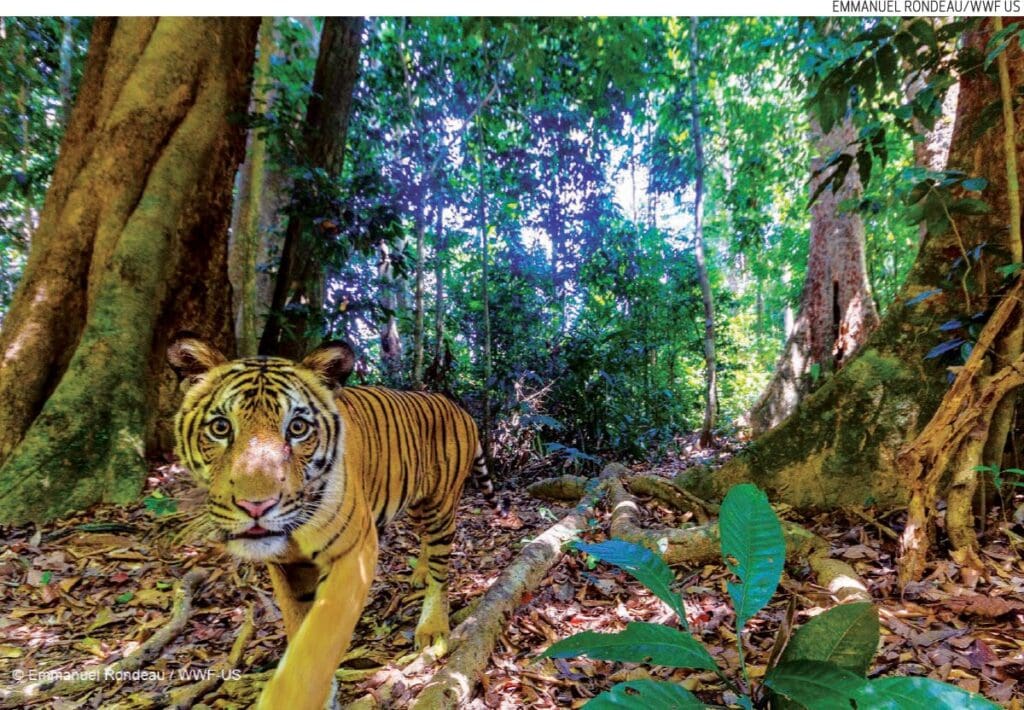
The Belum-Temengor complex remains a rare refuge. But if collaboration truly worked, tiger numbers would not have decimated within a generation. Malaysia’s tiger crisis is ecological, not organisational. Logging, palm-oil expansion, and mining continue inside designated eco-zones. None of that is visible in WWF’s article, which treats “sustained partnerships” as an end in itself.
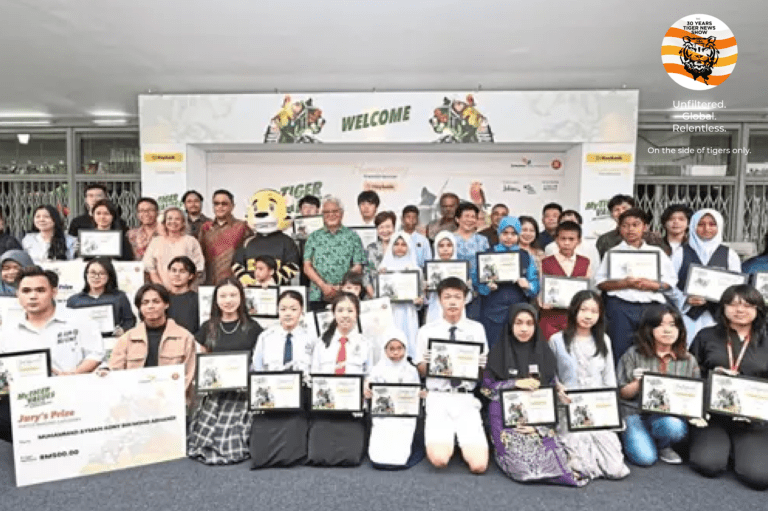
The NGO’s report praises corporate allies such as Maybank, Perhilitan, and the Royal Malaysia Police. What it omits is that Maybank is one of the largest financiers of the palm-oil industry — the same sector that has annihilated forests across Peninsular Malaysia and Borneo. Every hectare cleared for plantations pushes tigers closer to traps and villages. WWF’s silence on that contradiction is deafening, a smart move by Maybank, for sure.
Corporate partners: investors in image
Corporate environmentalism has become a reputation-management strategy. Maybank’s “tiger conservation” sponsorship gives it the sheen of sustainability while its loans fund palm-oil giants linked to deforestation. The same forests that host the Belum-Temengor patrols are hemmed in by plantations financed by the same bank.
This is not partnership; it is offset rhetoric. Corporates pay into selective conservation projects to balance public perception, not to transform practices. It is conservation as ESG currency. WWF’s endorsement converts that currency into credibility.
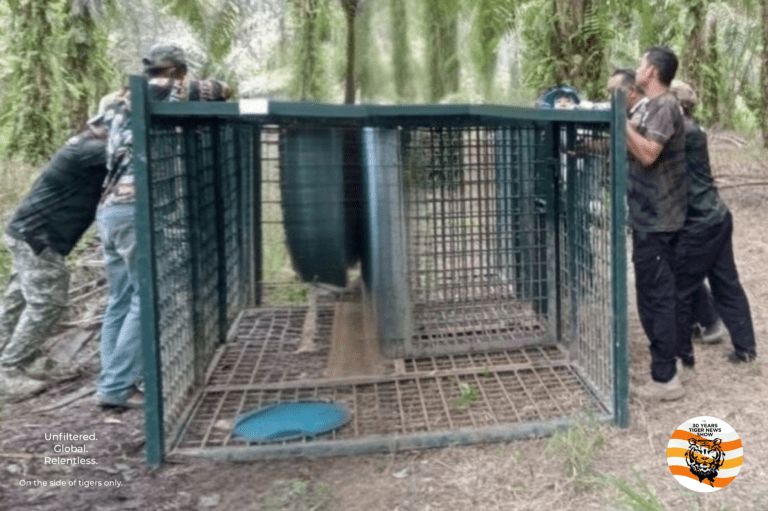
The Edge Malaysia article applauds milestones: zero active snares in 2023, ranger expansion, community engagement. Important achievements — but local. Without national land-use reform, each success remains an island surrounded by destruction. another main thing: And is it credible to not have found a single snare in a country that kills tigers like flies?
WWF’s collaboration paradox
WWF-Malaysia calls for “whole-of-society” participation while actively sanitising the role of the industries it depends on. The same palm-oil supply chains destroying tiger corridors are labelled “partners in sustainability.” The NGO cannot denounce its funders without jeopardising its budget, so it reframes damage as “shared responsibility.”
The result is paralysis disguised as progress. Real reform would demand transparency: publishing corporate funding sources, auditing supply-chain impacts, and conditioning sponsorship on verifiable habitat repair. Instead, WWF presents its partnerships as moral victories, turning donors into guardians.
By celebrating corporations as saviours, WWF helps them rewrite their environmental records. The public sees Maybank’s tiger logo, not its plantation loans. Meanwhile, enforcement budgets shrink, and deforestation rates remain among the region’s highest.
From profit to penalty — what Malaysia really needs
Malaysia’s tiger crisis is not about goodwill but governance. True reform begins when profit feeds restoration instead of expansion. Industries that destroy habitat must pay for its repair — through levies, restoration bonds, and transparent accounting of ecological debt. That’s the principle behind repairing tiger habitats through industry payments — turning destruction into obligation.
If Maybank and its peers want credibility, they should finance reforestation, fund long-term patrol salaries, and withdraw capital from deforesting clients. That would be partnership with teeth. Until then, “tiger collaborations” remain branding exercises trading extinction risk for social licence.
The Malayan tiger’s survival will not depend on hashtags or commemorative events but on structural change — legislation that punishes illegal clearing, public reporting of land-use approvals, and financial penalties that make destruction unprofitable.
Malaysia does not lack passion or effort. It lacks accountability. WWF-Malaysia can still play a pivotal role — if it stops polishing corporate reputations and starts demanding reparations from them. The roar will only return when the banks pay for the silence they financed.
Source: The Edge Malaysia – Malaysia
Photo: The Edge Malaysia – Malaysia