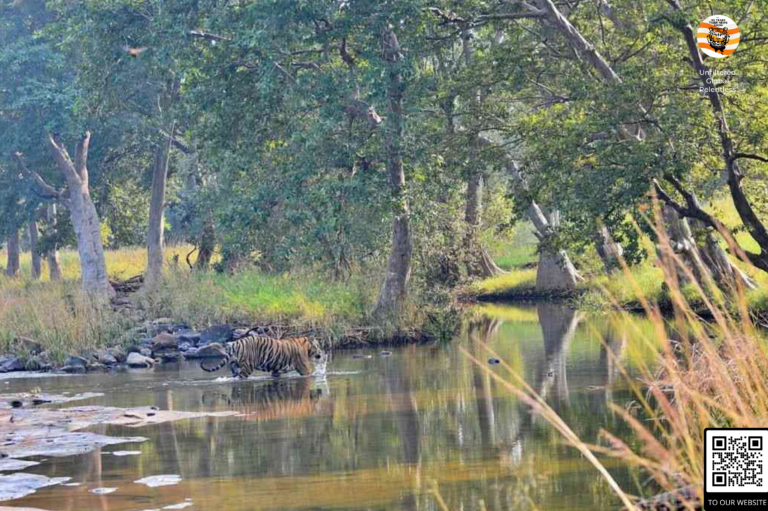
Forests are the real pressure point in India’s latest tiger debate, as reported by India Today. Viral scenes from Ranthambore show tigers on narrow tracks, clustered vehicles, and a tiger and tigress fighting over prey. The easy public reaction is to blame safari tourism for every sign of stress. That is too simple. Conservation biologist Dr Dharmendra Khandal points instead to habitat pressure, territorial conflict, unmanaged human footfall, and VIP vehicles entering routes where numbers should already be capped. The tiger is not breaking. The system around it is being allowed to bend.
Forests Under Territorial Pressure
Ranthambore’s terrain makes pressure visible, but context matters. Rocky passes and narrow valleys can trap vehicles when a tiger steps onto a track. Drivers may be unable to move forward or reverse. Habitat shaped by such terrain does not offer neat exits just because a camera is recording. Tigers there are habituated to predictable safari movement and often use tracks voluntarily. This does not excuse crowding. It shows why the real failure is administrative control, especially when extra vehicles enter under official privilege.
The deeper stress is ecological. Forests with high tiger density bring constant territorial pressure, with resident adults defending ground against younger dispersing animals. A fight over prey may look like an isolated viral moment, but it sits inside a larger reality of competition for space, prey, water, cover, and breeding ground. That pressure operates every hour, long after safari gates close.
Gates Must Hold For Tigers
Routine tourism runs for limited periods on predictable routes. Territorial defence does not. Pilgrim movement, local footfall, roads, religious access, edge settlements, and management exceptions add layers of disturbance that are harder to film but serious. Forests cannot function as tiger habitat if every pressure is discussed separately while the whole landscape is being squeezed. The tiger becomes the headline, but the habitat carries the damage.
The sharpest failure described in the article is not ordinary tourism but unauthorised entry. VIP vehicles and government-linked visitors can create sudden crowding on routes where caps already exist. That is not conservation. It is entitlement wearing an official badge. If a vehicle limit exists, the limit must apply to everyone, especially those with authority. Otherwise the rule is theatre.
Forests Need Honest Management
Ranthambore also carries heavy non-tourist presence. The article notes pilgrim movement and reports of more than 400 religious sites in some divisions. This creates unpredictable footfall inside tiger country, beyond the safari hours dominating online outrage. Forests need rules that hold at gates, temples, tracks, roads, and administrative offices. A tiger may tolerate predictable gypsies, but no landscape can endlessly absorb exceptions, noise, bodies, engines, ceremonies, and power games without losing ecological discipline.
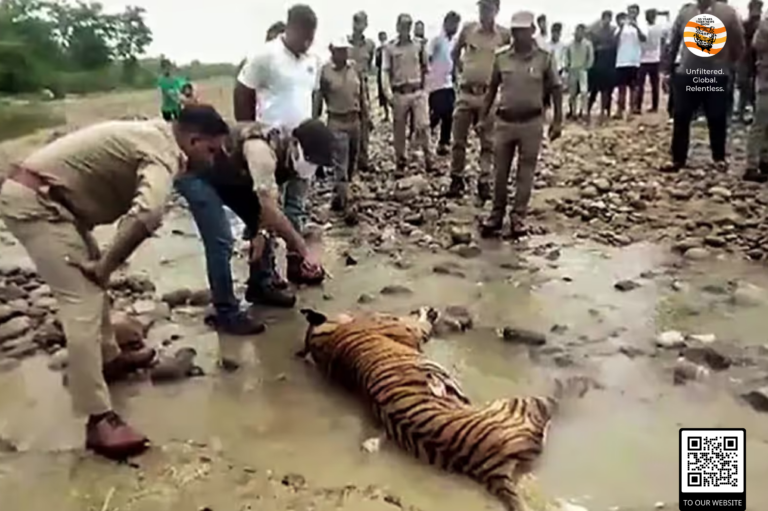
The comparison with Dudhwa cuts through the lazy claim that tourism stress drives most human-tiger conflict. Ranthambore, despite heavy tourism, has recorded 22 human deaths caused by tigers across 50 years. Dudhwa, with low or negligible tourism, records around 20 to 22 such deaths every year. That does not make tourism harmless. It proves conflict depends on habitat structure, edges, prey, people, movement, and governance.
Protection Starts With Discipline
Waterhole debates show the same problem. Moving artificial waterholes away from safari roads sounds decisive, but placement is often logistical. Tankers need access, and staff must monitor dry sites. Forests closed to tourism already cover most tiger reserves, while poachers usually exploit remote areas with low visibility. Real anti-poaching depends on staff, intelligence networks, camera traps, and community support, not symbolic rearrangement.
India’s tiger debate needs less theatre and more discipline. Tourism must be controlled, but the bigger crisis is habitat pressure, weak gatekeeping, unregulated footfall, and the political habit of exceptions. Forests cannot protect tigers if closed spaces are treated as negotiable, if VIP access overrides caps, or if public anger stops at the most shareable clip. The solution starts with hard limits: enforce vehicle numbers, reject special entry, manage religious movement, protect corridors, and treat tiger ground as territory. In every reserve, habitat destruction begins before the last tree falls. It begins when humans decide the rules are flexible. Tigers need functioning habitat, not better excuses from the people crowding it.