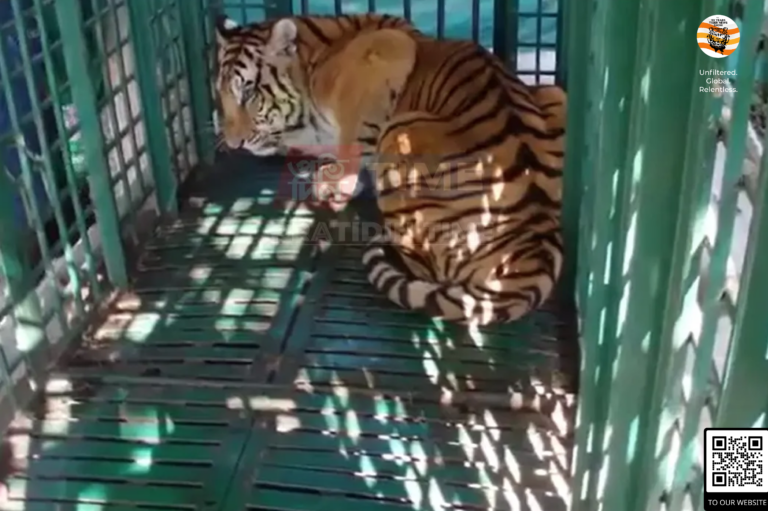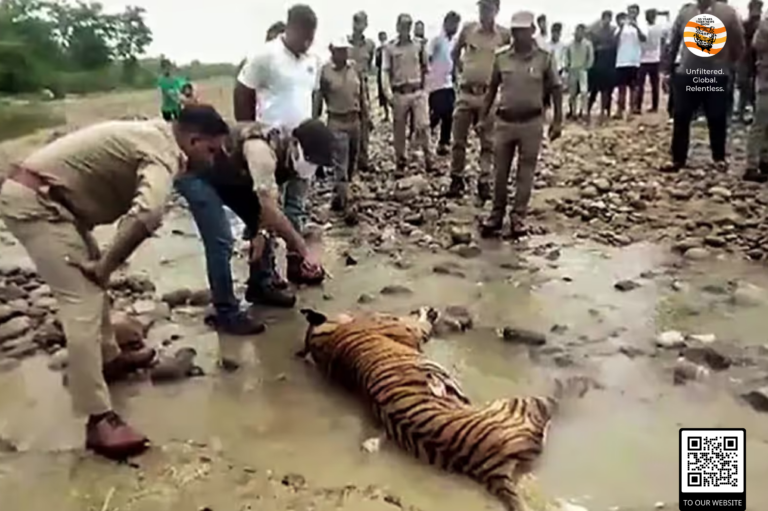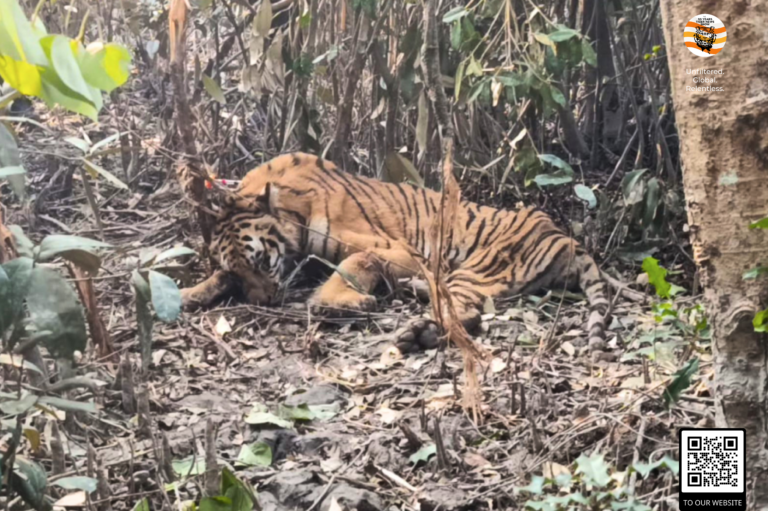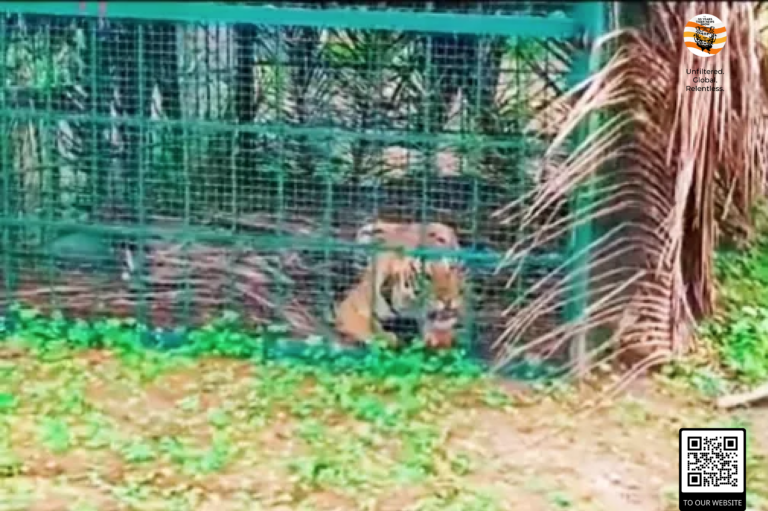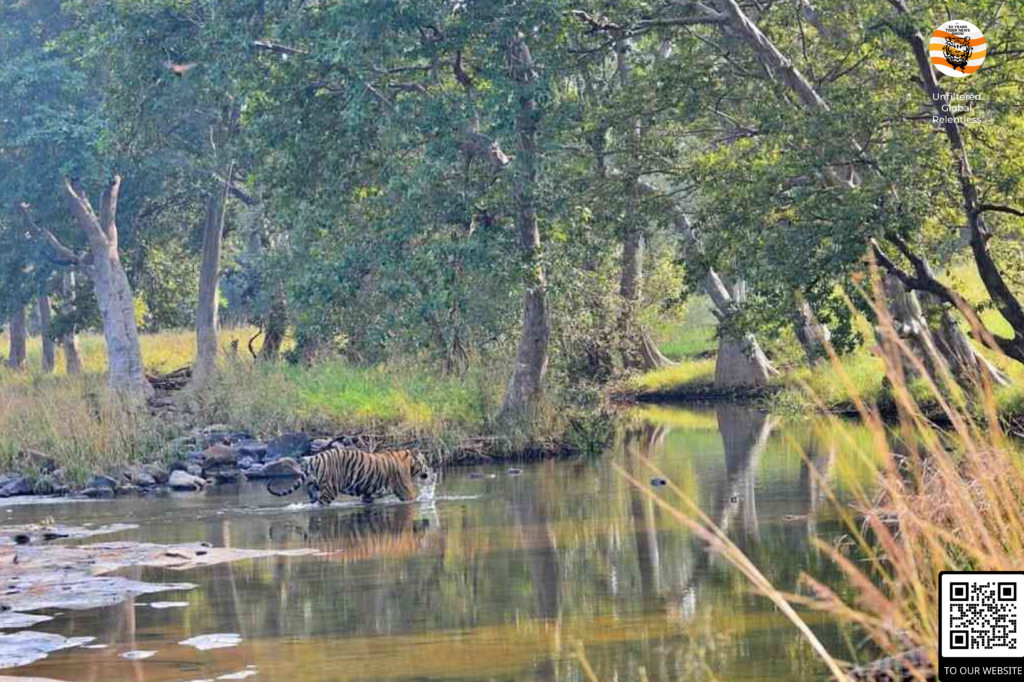
Basics still decide whether tiger recovery is real, as reported by Scroll. Research from Panna Tiger Reserve in Madhya Pradesh shows that rewilding cannot focus only on bringing predators back. Panna lost all its tigers to poaching in 2009. After reintroduction, tigers returned and rebuilt a population, but the study argues that recovery held because prey abundance, habitat quality, water, forest cover, and the wider mammal community were already strong enough to support them.
The study examined Panna’s rugged 1,574 sq km landscape, including its 542 sq km core, larger buffer, dry deciduous forests, and the Ken River, which functions as the ecological backbone. Researchers used camera traps across 475 sites in winter and 338 in summer, producing more than 40,000 animal detections. Basics such as water access, prey distribution, village distance, slope, and forest cover shaped how predators and prey used the landscape.
Basics Before Big Predator Headlines
This is where the conservation lesson becomes uncomfortable. A tiger reintroduction can look like success because the animal is visible, photographed, counted, and celebrated. But a tiger is not a magic repair tool. It is the final test of whether the system below it still works. If prey has collapsed, water is unreliable, forest cover is broken, and human pressure dominates the buffer, releasing tigers becomes theatre with claws.
Panna’s recovery matters because the reserve had not lost its ecological foundation. Tigers were poached out, but the prey base had not collapsed in the same way. Chital, sambar, nilgai, wild pig, and other mammals remained part of the living structure. Basics were not glamorous, but they were decisive. The study found tiger presence strongly linked to chital and sambar, while leopards were associated with nilgai, hare, and wild pig.
Recovery Is Not One Animal
The combined model performed best because no single driver explained the system. Predators mattered. Prey mattered. Habitat mattered. Water mattered. This should be obvious, yet tiger conservation too often gets sold through the most photogenic animal while the conditions that keep that animal alive are treated as background. That is backwards. The tiger is the result, not the whole formula.
The study also found unexpected positive links between large predators and hyenas. Instead of simply suppressing smaller carnivores, tigers and leopards may indirectly support scavengers by leaving carcasses. Basics again. A functioning predator system creates food, movement, signals, and opportunities across the mammal community. That complexity cannot be replaced by slogans, fenced vanity projects, or political announcements pretending that tiger numbers alone prove ecological health.
Water And Habitat Carry The System
Water shaped everything in Panna. Detection probability dropped as distance from water increased. In a dry landscape where summer temperatures can reach 45 degrees Celsius, this is not a side issue. The Ken River is not scenery. It is survival infrastructure for predators, prey, scavengers, and the roughly 30,000 people living in the buffer zone. Forest cover also mattered, with leopards and sambar linked to denser vegetation while jackals avoided it.
Human presence produced mixed effects. Most wildlife avoided villages, while cattle and wild pigs were more common near human-dominated areas. That matters because tiger recovery cannot be separated from buffer-zone pressure. Basics include coexistence planning, livestock management, village-edge discipline, water security, prey protection, and serious anti-poaching. Without these, conservation becomes an announcement machine: loud at release, weak at survival.
Conservation Must Stop Skipping Steps
Panna’s lesson is not that reintroduction is useless. It is that reintroduction works only when the ground is ready, as the basics are important. A reintroduced tiger population does not restore an ecosystem by itself. It reveals whether a stable one already exists. That is a hard truth for governments and conservation brands that prefer ribbon-cutting to long maintenance.
The real work is less dramatic: protect prey, protect water, protect cover, stop poaching, reduce village-edge pressure, and keep habitat connected. Basics are not small. They are the structure holding every tiger recovery claim together. If conservation skips them, tigers become symbols placed onto failing land. If conservation respects them, recovery has a chance to last. Panna’s return should be welcomed, but with discipline, not triumphal noise. Real conservation practices begin below the tiger, in the prey, water, forest, and enforcement that make survival possible. Without that foundation, there is no recovery. Only relocation.
Source: Scroll, India
Photo: Scroll, India