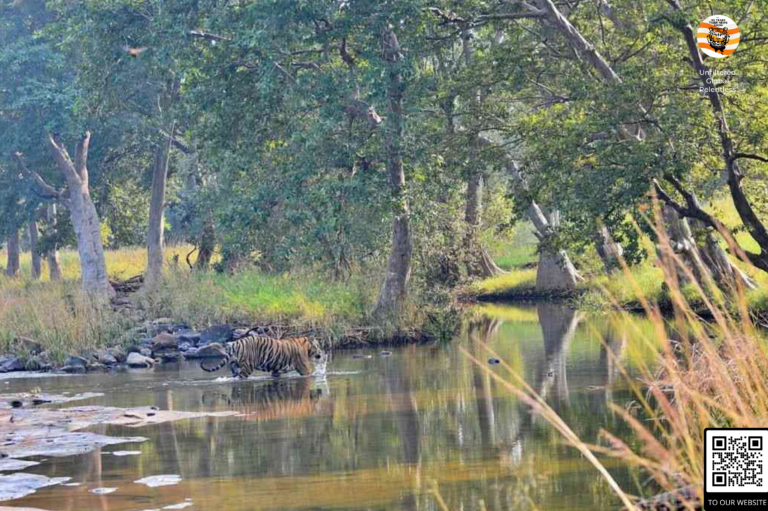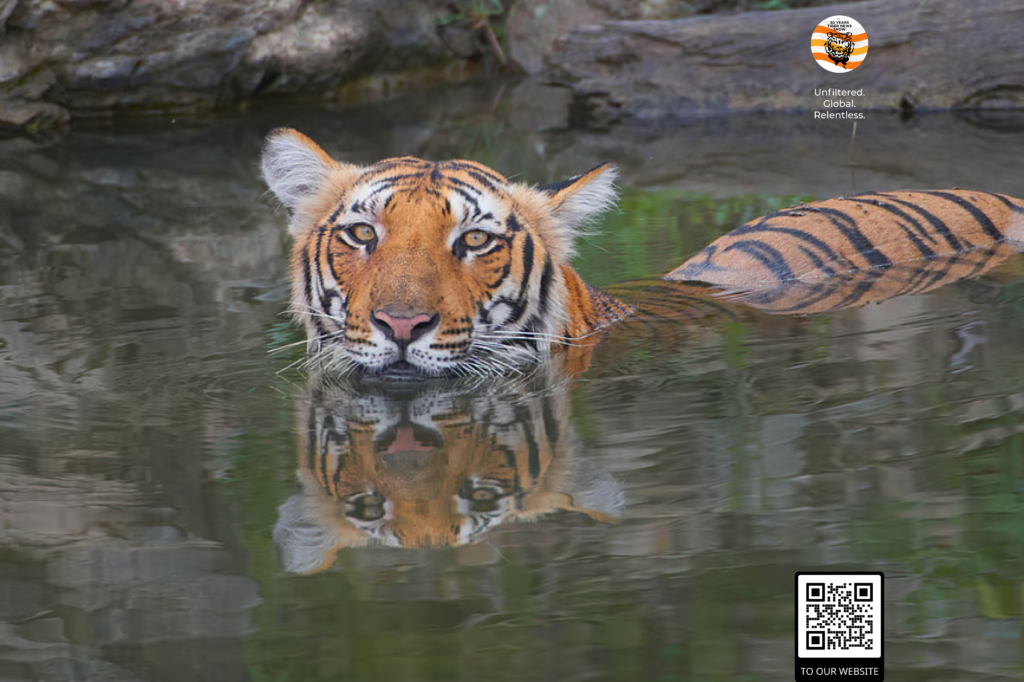
Behavior around tiger tourism is becoming a serious future risk as safari travel is increasingly marketed to young male friend groups, as reported by Esquire India. The article describes a shift from nightlife-heavy “boys’ trips” toward wildlife getaways built around tiger sightings, early mornings, shared silence, bonfires, luxury stays, and the thrill of entering tiger country. It cites rising interest in destinations such as Tadoba, Kabini, Kanha, Bandhavgarh, and Ranthambore, while presenting safaris as a new premium travel experience for Gen Z and millennial men.
The article about the behavior of young male adults also places this trend within a growing safari economy. It says India’s safari tourism market is projected to rise from US$2.8 billion in 2025 to US$5.3 billion by 2035. Travel operators quoted in the article describe wildlife trips as grounding, bonding experiences that replace alcohol-centred holidays with nature, silence, tracking, and shared excitement. The piece recommends several national parks and wildlife destinations, including tiger reserves and other habitats, as group travel options for men seeking adventure, luxury, and memorable encounters with wildlife.
Behavior Can Shift From Wonder To Pressure
The danger is not that people want to see tigers. The danger is what happens when tiger country is sold as a lifestyle upgrade, a masculine escape, or a premium thrill package. Tourism language matters. When the promise becomes “locking eyes” with a tiger, the animal is quietly turned into an experience that visitors feel they have purchased.
That expectation changes pressure on the ground. Drivers are pushed to deliver sightings. Resorts sell atmosphere. Groups arrive wanting a story to take home. Silence becomes valuable only if it ends with a tiger. This is where admiration can slide into entitlement, and entitlement is never harmless in a landscape already carrying roads, villages, prey stress, and human demand.
Tiger Country Is Not A Playground
The behavior article describes safaris as bonding experiences, and they can be. A respectful jeep, a trained guide, strict rules, and genuine patience can teach people humility. But tiger tourism cannot be allowed to become another version of consumption with better scenery. Behavior that begins as excitement can become noise, crowding, route pressure, rule-bending, and impatience around sightings.
Tigers do not exist to complete a group chat plan. They do not owe anyone eye contact, photographs, roaring drama, or a “core memory.” Their habitat is not a nightclub alternative. It is a living landscape where every vehicle, every lodge, every road, and every human demand adds weight. If tourism grows faster than restraint, the tiger pays.
Growth Needs Rules Before Damage
A projected market jump to US$5.3 billion should worry conservation authorities as much as it excites travel businesses. Money entering tiger landscapes must not become an excuse for more vehicles, more luxury construction, more disturbance, and more pressure on buffer areas. The future risk is clear: tourism can present itself as love for wildlife while quietly expanding the footprint that wildlife must survive around.
India has already seen what happens when human desire is placed above ecological limits. Tiger sightings become status. Resorts multiply. Influencers chase content. Visitors treat forests as curated backdrops. Without strict carrying capacity, trained guides, penalties, zoning, local benefit, and serious enforcement, safari growth can become another form of habitat pressure wrapped in conservation language.
Respect Must Come Before Access
The better path is not anti-tourism. It is disciplined tourism. Visitors should enter tiger landscapes as guests, not customers demanding delivery. Operators should sell patience, ecology, and restraint, not guaranteed drama. Authorities should protect routes, regulate numbers, monitor disturbance, and punish reckless conduct before it becomes normal.
This is the future test. If the behavior of young travellers shows that they are moving away from nightclubs and toward forests, they must also move away from entitlement. Tiger tourism can build support, but only when the tiger’s needs come first. Anything else is just another human industry learning to profit from wild beauty. The real question is whether tourism pressure will be controlled before Behavior turns admiration into disturbance.
Source: Esquire India, India
Photo: Esquire India, India