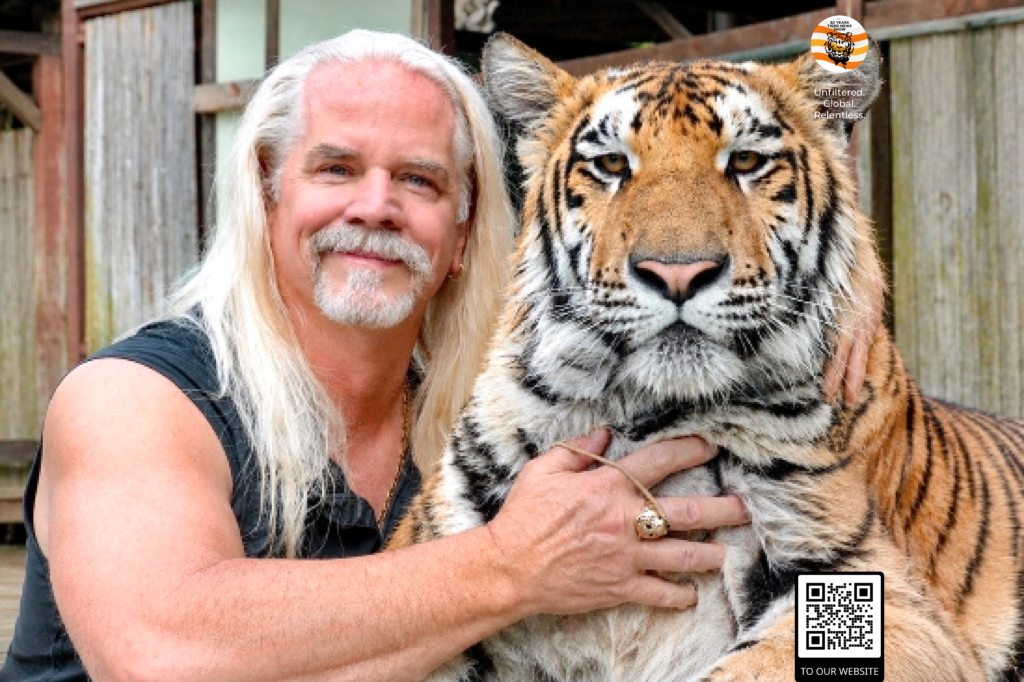
Faith in wildlife law becomes harder to defend when a high-profile captive-animal operator can see convictions overturned because a statute failed to prohibit the exact side of the transaction at issue, as reported by World Animal News. The Virginia Supreme Court overturned the remaining convictions against Bhagavan “Doc” Antle, owner of Myrtle Beach Safari, in a case involving endangered lion cubs. The court ruled that the state law prohibited the sale of endangered species but did not specifically prohibit their purchase. Based on that interpretation, the remaining Virginia convictions were overturned.
The article states that the Virginia decision concludes the state case, but does not affect a separate federal criminal case. In 2023, Antle pleaded guilty to wildlife trafficking and money laundering conspiracy charges involving protected wildlife and was later sentenced in federal court. Prosecutors alleged that case involved the illegal sale and transport of protected animals, including big cats and other exotic species. Animal welfare and conservation groups continue to warn that captive breeding, commercial trade, and transport of big cats create serious welfare, conservation, and public safety concerns.
Faith Cannot Survive Legal Word Games
The court may have followed the wording of the law, but that is exactly the problem. If a wildlife statute blocks the sale of endangered animals while leaving the purchase side exposed to escape, the law is not strong enough for the trade it claims to fight. Trafficking does not happen through one hand. It needs sellers, buyers, transporters, breeders, brokers, and people willing to treat living animals as inventory.
This is where public faith collapses. People are told legal systems protect endangered wildlife, then watch technical gaps give powerful animal exploiters another way out. Faith in institutions is not built by press releases. It is built by laws that actually catch the business model.
Big Cat Exploitation Was Never Harmless
The captive wildlife industry has always tried to hide cruelty behind entertainment, breeding language, private ownership, and fake conservation. Tigers and other big cats are displayed, bred, moved, handled, sold, photographed, and monetized until their lives become a supply chain. When cases fall apart at state level because lawmakers failed to write strong enough protections, the animals pay for human incompetence.
No tiger, lion, or cub benefits from a system where legal distinctions become escape routes. The public sees the result: a man already guilty in federal court of wildlife trafficking and money laundering conspiracy still receiving relief in another case because the law was too narrow. That is not moral justice. Faith drains away when law protects paperwork better than animals.
Loopholes Are Invitations To Traffickers
This ruling should shame every legislature that still treats wildlife trafficking as a secondary crime. Criminal networks study weak laws. So do commercial breeders and private collectors. If purchase is not clearly banned, purchase becomes the door. If penalties are weak, risk becomes a business cost. If transport rules are fragmented, animals move through the cracks.
The United States cannot condemn global wildlife trafficking while tolerating domestic loopholes around captive big cats. Strong laws should prohibit buying, selling, transporting, breeding, laundering, and profiting from endangered animals unless conservation necessity is clear, regulated, and transparent. Anything less is theatre. Faith in legal protection requires laws written for criminals, not for polite fantasies about compliance.
Captivity Keeps Producing These Disgraces
This case also points back to the rotten foundation of captivity. When big cats are bred and traded for display, status, money, or access, abuse becomes predictable. The industry creates surplus animals, hidden transactions, public contact schemes, and endless claims of education. Behind the branding is the same old truth: animals lose freedom so humans can gain profit.
Courts can only apply the law in front of them. That means lawmakers carry the disgrace when the law is too weak. Wildlife agencies carry it when enforcement is timid. Captive operators carry it when they build businesses from animal bodies. The public is right to ask how Faith can survive when legal entities fail this badly. It will only return when captive cruelty is treated as a structural threat, not an unfortunate exception.