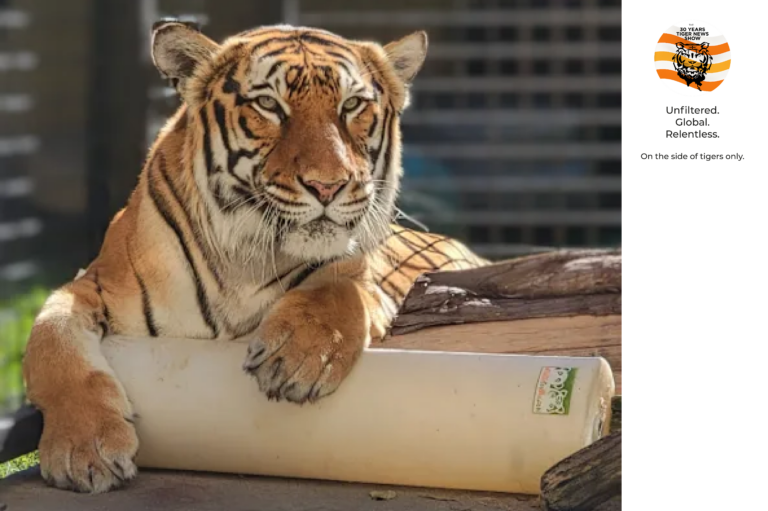
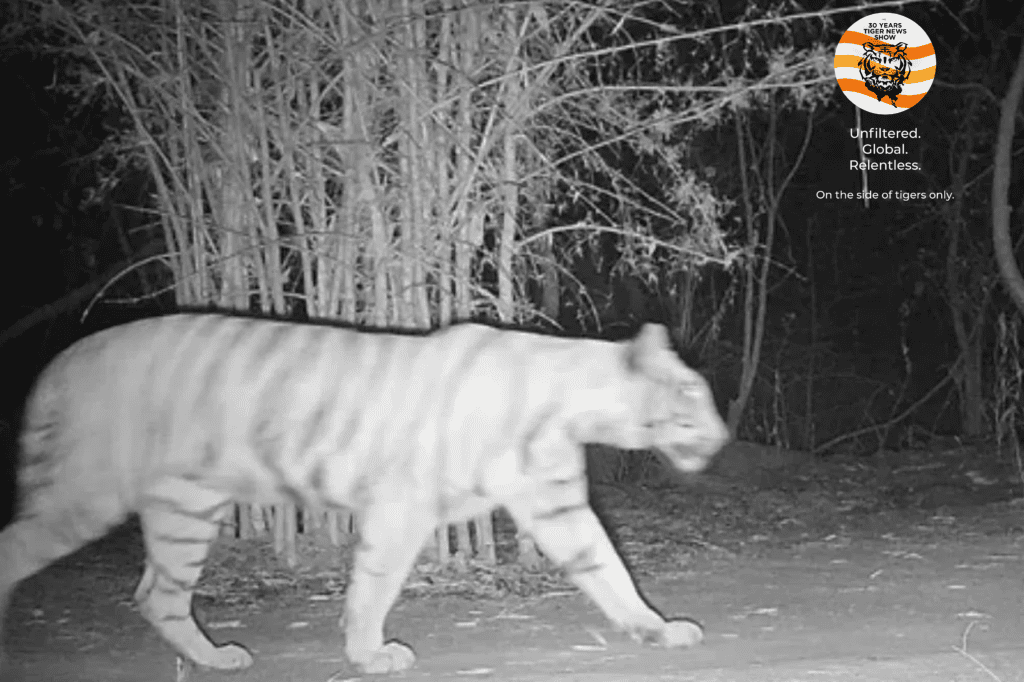
A phantom is the right word for the four-year-old tigress now changing the mood inside Chhattisgarh’s Udanti-Sitanadi Tiger Reserve, as reported by Daily Jagran. She was first captured on camera in January, then appeared again in April and May, confirming she was not a passing shadow. Her stripe pattern was sent to the Wildlife Institute of India, but no match appeared in national archives. Camera-trap networks in Odisha, Maharashtra and Madhya Pradesh also found no known photograph. Scat samples later confirmed this phantom was female. For a reserve long treated as nearly lost, this is rare and serious hope for real conservation.
Phantom Is Hope, Not A Shortcut
Udanti-Sitanadi had been sliding toward silence. The 2014 All India Tiger Census found three tigers there, but by 2018 only one remained. After that, most animals recorded in the landscape were temporary visitors moving toward safer forests. The tigress changes the question from whether the reserve is finished to whether it can still earn a future. Nature has offered a sign before officials complete their own relocation plan, and the state should answer with discipline, not premature celebration. Hope is welcome here, but hope is not a management plan.
The government had already submitted a proposal to the National Tiger Conservation Authority in November 2024 to relocate two females and one male tiger to Udanti-Sitanadi. Before that could happen, but this phantom arrived on her own. Forest officials now see the possibility of natural rehabilitation, especially if she settles permanently and later draws male movement into the reserve. That is encouraging, but it is not success yet. A camera image is not a population. A resident female is not a restored ecosystem. Every next step must be measured, quiet, scientific and patient.
Her origin remains unsolved. Deputy Director Varun Jain noted that female tigers usually establish territory within 150 to 200 kilometers of their birthplace, while males can wander far farther. This tigress appears to have crossed several forest landscapes without leaving records in known databases. This phantom therefore exposes both promise and uncertainty. Her movement is extraordinary, but it also shows how many corridors remain under-monitored, fragmented or poorly understood. Conservation cannot pretend to know everything while a female tiger appears outside every archive. The mystery should humble the system.
A Tigress Cannot Restore A Reserve Alone
Udanti-Sitanadi must now do the hard work that makes hope safe. Patrols must increase. Camera traps must stay active. Prey populations must be measured honestly. Corridors, villages and disturbance points must be managed before conflict begins.
If officials become excited about a headline but fail to secure the ground beneath her paws, the reserve will turn a rare chance into another failure. Tigers do not survive on optimism. This phantom needs a functioning landscape, not speeches wrapped around her image.
The positive part is that natural arrival can be more powerful than symbolic release. A tiger choosing a landscape tells managers something important: there may still be enough cover, prey movement or corridor function to investigate seriously. But she needs protection from snares, poisoning, retaliation, disturbance and political laziness. She should trigger field discipline, not decorative pride. Fragile recovery can be destroyed faster than it can be announced, and Udanti-Sitanadi has already lost too much time to treat this moment lightly.
Conservation Must Follow The Evidence
Udanti-Sitanadi now has a chance to build around evidence instead of despair. The reserve should use her presence to strengthen habitat, improve monitoring and prepare carefully, because this phantom should lead to possible breeding only if ecological conditions are real. If male tigers eventually settle and prey can support them, Chhattisgarh may rebuild a resident population without forcing the story too early. That would be genuinely positive. This tigress deserves to be treated as a wild animal, not a miracle mascot.
Her appearance does not erase past decline, but it proves that landscapes written off by people can still surprise them. Real conservation practices begin now: protect the animal, read the habitat, restore the prey and let science move slower than hope. Udanti-Sitanadi has been given a warning and a gift. It must not waste either now.
Source: Daily Jagran, India
Photo: Daily Jagran, India