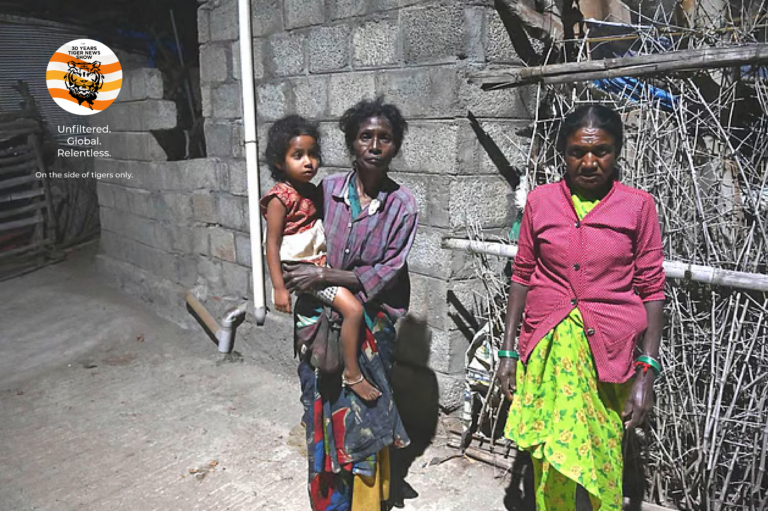

Band-aid is the word for Maharashtra’s new Rs 260 crore human-wildlife conflict plan, approved a week after four women were killed in a tiger attack in Chandrapur, as reported by Indian Express. The State Wildlife Board Standing Committee has cleared control rooms at ten locations, an AI-based alert system for one thousand villages, two rescue centres and ten transit treatment centres. Forest minister Ganesh Naik said the project aims to curb wildlife attacks on humans. Good. But the question is brutal: why now, after the district had already recorded seven fatal tiger attacks this year, and after warnings were already visible?
A Band-aid can help when the wound is open, but it does not prove the wound had to be left bleeding. Maharashtra did not discover human-wildlife conflict last week. Chandrapur, Tadoba and surrounding forest-fringe villages have lived with tiger movement, livestock pressure, agricultural risk and fear for years. If AI alerts, control rooms, rapid teams and treatment centres are necessary now, they were necessary before women died and tigers were captured, displaced or killed. Reactive government is not leadership. It is damage control with a budget line, announced only when grief made political delay impossible to hide from the public.
Band-aid Systems Should Have Existed Earlier
The plan includes ten control rooms modeled after police control rooms, designed to track Forest Department resources, vehicles and patrol units. In conflict situations, those rooms are supposed to alert relevant parties so action begins quickly. That is basic coordination, not futuristic genius. Villagers beside tiger landscapes should already have had reliable warning systems, working response chains and fast communication before fatal attacks became the political trigger. Forest-edge families have needed this structure for years, not after headlines turned neglect into embarrassment and ministers discovered urgency.
The AI-based alert system, already tested in some forest-adjacent villages, will expand to about one thousand villages. If wild animals are detected outside forest areas, villagers should receive immediate information and remain vigilant. A Band-aid becomes insulting when officials present prevention after preventable risk has matured. The technology is not the problem. The delay is. Systems that can warn one thousand villages should not wait for another funeral, another captured tigress or another angry crowd before becoming a statewide priority.
Money Cannot Hide The Timing
Rs 260 crore, roughly US$30 million, sounds serious. The allocation includes twenty rapid rescue teams, two thousand primary response teams, mobile squads for crop-damaging animals, rescue centres for captured wildlife and ten treatment centres. These are useful components if implemented properly. They also expose how thin the earlier system was. If two thousand local response teams are needed, why were villages left so exposed before? This Band-aid cannot be sold as vision when it arrives after repeated warnings from the ground.
Maharashtra now wants villagers alerted, staff coordinated faster and animals captured or treated more efficiently. But the plan risks becoming only another emergency kit if it focuses on managing incidents rather than preventing the conditions behind them. Alerts do not replace habitat security. Rescue centres do not replace coexistence planning. Treatment centres do not undo poor land-use decisions, weak compensation, slow response or political neglect. Without accountability, technology becomes another public-relations screen over the same old failure.
Tigers And Humans Should Not Be The Price
The most offensive part of reactive policy is that bodies become evidence. Humans die, and only then does funding move. Tigers attack, and only then do systems improve. Captured wildlife gets new centres after conflict has already escalated. A Band-aid is not useless. It can stop bleeding. But Maharashtra should be ashamed that the bandage arrived after so much blood.
The state must implement the plan quickly, transparently and with consequences for failure. Control rooms must function, AI alerts must reach people, and response teams must be trained and monitored. Villages need clear instructions before a tiger appears, not after panic starts. Crop-damage squads cannot distract from the core issue: people and tigers need safer rules where forests, farms and settlements meet. Real political failure is knowing the wound exists and waiting until death makes action unavoidable. This Band-aid should be the last proof that prevention arrived too late.
Source: Indian Express, India
Photo: Indian Express, India