Human rights cannot be treated as an afterthought in tiger conservation, as reported by Down To Earth. The article argues that India’s celebrated rise in tiger numbers hides fear, loss and resentment among rural families living beside big cats. Chandrapur is presented as a stark example, with tiger numbers rising sharply since 2006 while fatal wildlife attacks also increased. The piece criticises strict protection policies, National Tiger Conservation Authority guidelines and the Wild Life Protection Act framework for being too slow in high-conflict areas. The pain is real. Families at forest edges should not be asked to carry danger silently.
Human Rights Need Serious Conservation Space
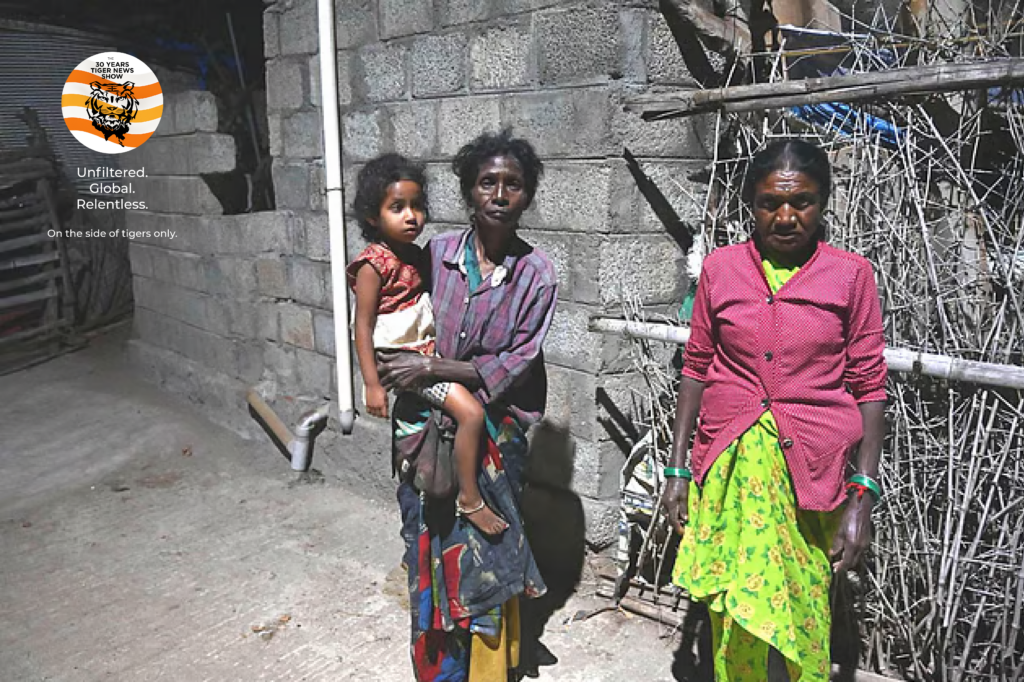
The article’s strongest point is that communities living with tigers deserve more than sympathy after deaths, livestock losses or damaged livelihoods. Human rights language matters when people fear leaving homes, farming fields or sending children outside. Conservation that ignores this fear becomes brittle, even when tiger numbers look successful on paper. People who live beside wildlife must be treated as stakeholders, not obstacles.
But the article also moves into dangerous territory when it promotes faster lethal control, licensed arms, hunting permits and sustainable use models as solutions for India’s big cat conflict. Tigers are not crop-raiding numbers on a spreadsheet. They are endangered wild animals whose survival depends on strict limits around human power. Reform is needed, but killing must never become administrative convenience.
Conflict Policy Must Be Faster And Fairer
The article criticises “capture-first” and “translocate-first” approaches that can leave communities exposed when animals repeatedly threaten human life. That concern deserves attention. If a tiger is genuinely dangerous to human life, decisions must be evidence-based, fast, transparent and humane. Delays can deepen fear and invite retaliation. Human rights and tiger protection both suffer when institutions move too slowly.
The better answer is not a rush toward hunting culture. It is stronger frontline response: trained rapid teams, better forensic capacity, camera-trap monitoring, DNA testing that works quickly, livestock protection, compensation that arrives without exhausting paperwork, and community communication before panic takes control. If removal is necessary, it should be legally justified, scientifically supported and publicly explained. The tiger should not become the scapegoat for weak prevention.
Communities Must Benefit Before Crisis
The article points to Namibia, South Africa, Pakistan, the United States and Europe to argue that regulated use can generate community benefit. India should study benefit-sharing seriously, but not import trophy logic into tiger landscapes. Auctioning tiger permits in Chandrapur would be a moral and conservation disaster. It would turn conflict into market opportunity and make dead tigers valuable in exactly the wrong way.
Human rights are better served when living wildlife creates local security, income and respect. Communities need reliable compensation, insurance support, livestock sheds, early-warning systems, safe transport, school-route planning, crop protection, local hiring, tourism revenue-sharing and decision-making power. These measures reduce resentment without normalising tiger killing. Coexistence is not sentiment. It is practical work, paid for properly and guided by people who live with risk every day.
Human Rights Must Not Become Anti-Tiger Policy
The article is right that sentimental conservation can ignore rural suffering. It is wrong if reform becomes a pathway to weaken tiger protection. India’s tiger success was not accidental; it came from law, enforcement, protected habitats and political will. Those gains can be damaged quickly if conflict management turns into permission for pressure groups, private shooters or markets to decide which animals live.
The serious path is harder: protect people without making tigers disposable. Reform NTCA guidelines where delays cause harm. Improve compensation. Fund prevention. Respect tribal and farming communities. Remove genuinely dangerous animals faster when evidence supports it.
But do not pretend killing tigers for revenue is coexistence. This debate belongs inside community engagement, where trust, safety and dignity decide whether conservation survives. Human rights and tiger protection must align, not by reducing wild tigers to targets, but by building systems where people are protected before fear becomes anger and tigers are protected before anger becomes death.
Source: Down To Earth, India
Photo: Down To Earth, India