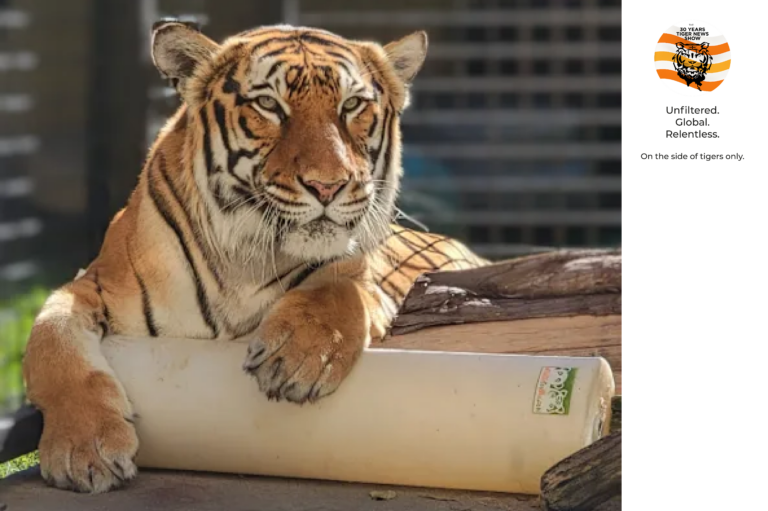
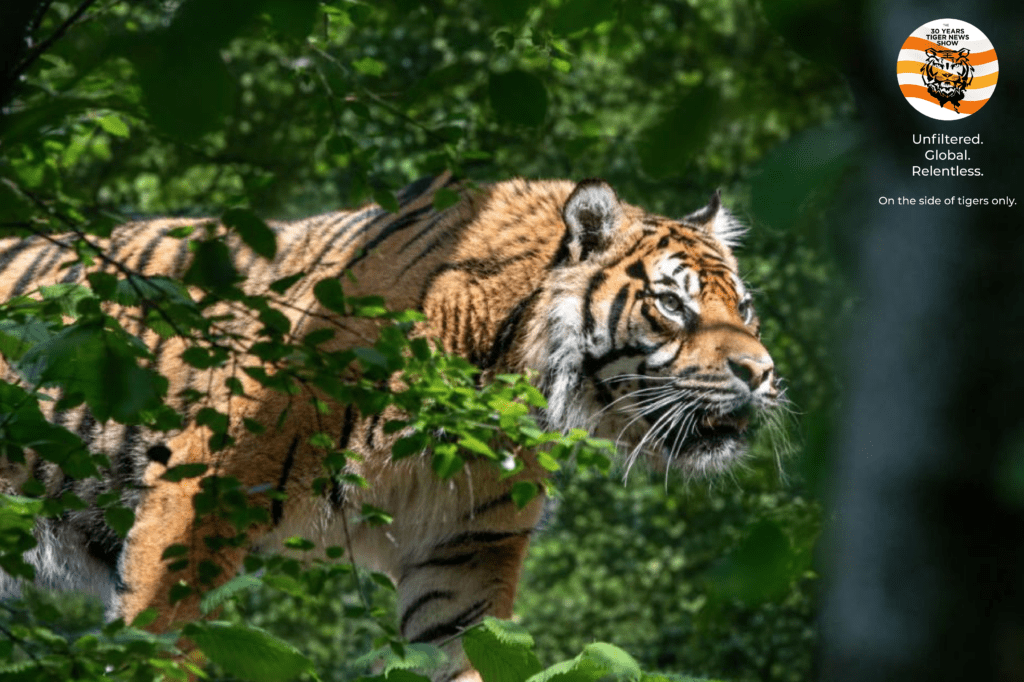
Outdated zoo logic is pretending that moving a Sumatran tiger from one British enclosure to another is conservation, as reported by Herald Scotland. Edinburgh zoo has welcomed a nine-year-old male Sumatran tiger from Twycross Zoo as part of an international breeding programme. The plan is to introduce him gradually to a female tiger already held at Edinburgh zoo, with the hope that they will eventually produce cubs.
The article presents this as protection of a critically endangered subspecies. It also tells visitors they can now book tickets online to see the new arrival. That is the problem in one sentence.
A tiger who will never be released into the wild is being marketed as conservation. A bred cub who will likely never know Sumatra is being framed as hope.
Outdated Captivity Still Calls It Conservation
The Royal Zoological Society of Scotland describes Edinburgh zoo and Highland Wildlife Park as gateways to the natural world. That sounds polished, but the gate does not open toward the wild for this tiger. It opens toward ticket sales, visitor traffic and another generation of captive animals bred into managed dependency. Outdated institutions keep using the same language because it still works on the public: critically endangered, breeding programme, education, awareness, global conservation. Then the animal becomes a commercial attraction with a conservation label attached.
There is no honest wild future in this story. The tiger arrived from Twycross Zoo, not from Sumatra. The breeding target is another captive tiger, not a restored forest. The expected cubs would not repair logging damage, stop palm oil expansion, break trafficking networks or protect corridors. They would increase the number of Sumatran tigers humans control. That is not the same as saving the species.
The Media Helps The Cage Survive
The article’s final line matters. Visitors can book tickets online to see the new arrival. That is where the conservation mask slips. Outdated zoo coverage often functions like free advertising: introduce the animal, mention rarity, repeat the breeding programme claim, then point the public toward the gate. The Herald may frame it as news, but the practical effect is promotion. A critically endangered tiger becomes weekend content.
Scotland has already seen Glasgow zoo fail to make itself fit for the modern world. Now Edinburgh zoo appears ready to occupy the same emotional space: captive wildlife as public entertainment dressed in institutional virtue. The stupidity is not only that zoos still believe this model belongs in the 21st century. It is that media outlets keep helping them survive by repeating the language without asking the harder question: how does this tiger help wild tigers?
Outdated Breeding Is Not Wild Recovery
Sumatran tigers need forests in Sumatra. They need habitat protection, anti-poaching enforcement, conflict prevention, prey security and political courage against destructive industries. They do not need British visitors feeling better because a tiger behind glass has been assigned a breeding role. Outdated breeding programmes may preserve genes inside human systems, but they do not automatically protect living landscapes. A population in cages is not a forest population.
If zoos want to claim conservation relevance, they should be forced to show measurable field impact: land protected, patrols funded, poaching reduced, corridors secured, local communities supported and wild tiger numbers improved. Without that, the breeding narrative is too convenient. It allows captivity to present itself as rescue while the actual battlefield remains thousands of miles away.
There is also a moral failure in making captivity feel gentle. A tiger can be healthy, fed and monitored and still be deprived of a wild life. A cub can be born under a conservation banner and still be born into permanent exhibition. That is why this story deserves scrutiny, not applause.
The public should not confuse visibility with protection. Seeing a tiger in Edinburgh does not protect a tiger in Sumatra. Buying a ticket does not rebuild a forest. Breeding an animal for captivity does not erase the system that keeps tigers marketable behind barriers. Real captivity scrutiny starts by naming the model clearly. This is outdated conservation theatre, and the tiger is still the one paying for the performance.