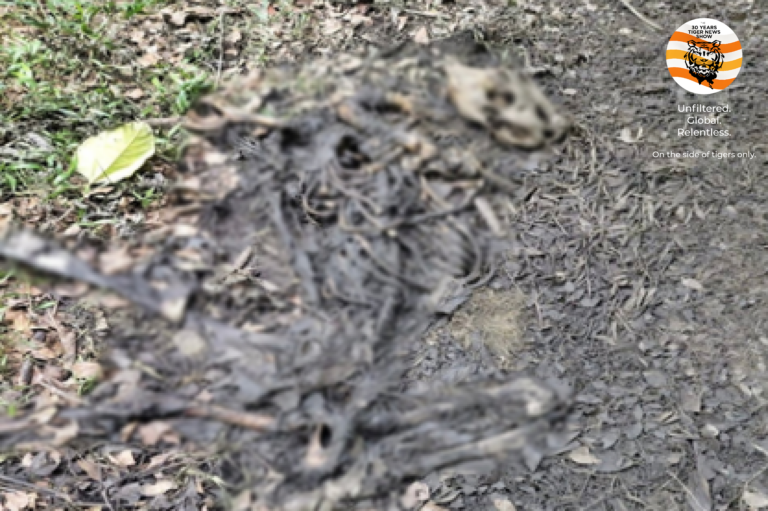
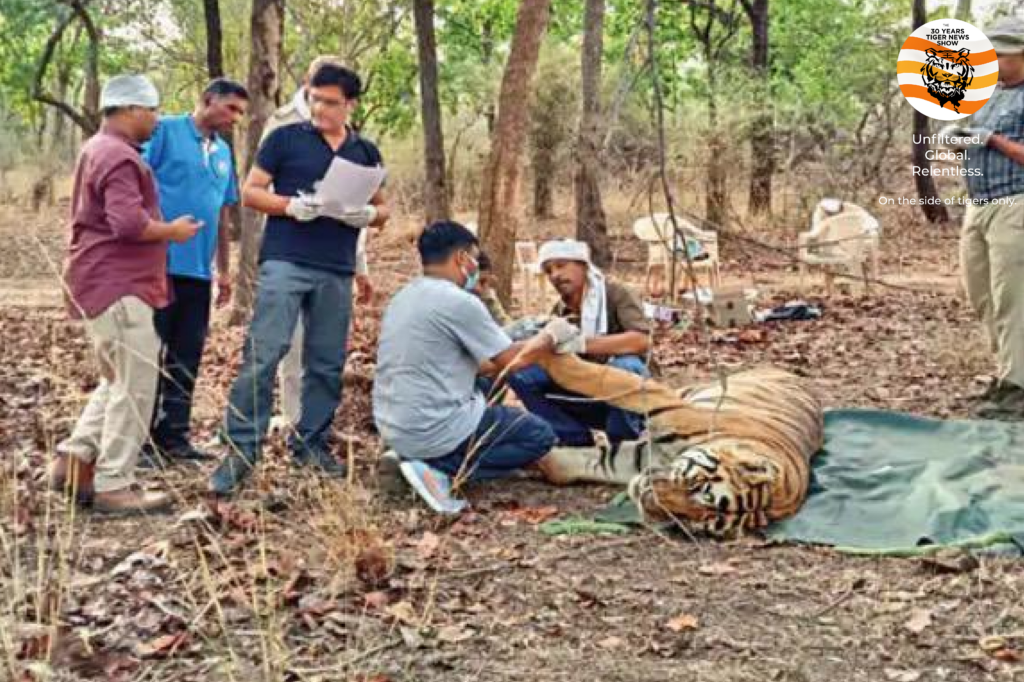
Stress is now the central fact in the Bandhavgarh tiger death, as reported by Times of India. A special National Tiger Conservation Authority team reportedly concluded that the six-year-old tiger died of cardio-respiratory failure linked to extreme stress, while ruling out the earlier theory of tranquiliser overdose. The tiger had killed a woman and injured three villagers before being found dead inside a house in the buffer zone of Bandhavgarh Tiger Reserve. Sources familiar with the findings said the animal was already dead before it was darted, with no visible haemorrhage at the darting site.
The second autopsy matters because it shifts the question. This was not simply a failed immobilisation story. It was a conflict collapse in which a tiger appears to have died under extreme physiological pressure before officials could complete the rescue. The findings reportedly described rough, dry skin, pale and dehydrated muscles, an empty gastrointestinal tract, and haemorrhagic changes and congestion in vital organs. Officials linked those signs to severe physiological stress and cardio-respiratory collapse.
Stress Became The Killing Mechanism
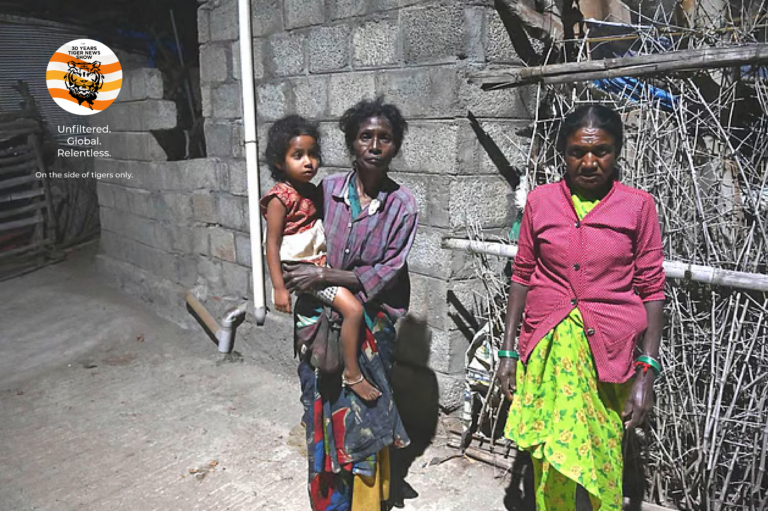
The reported findings also suggest the tiger may have been thirsty and hungry, conditions that could have aggravated its behaviour and physical state before collapse. That does not erase the human death. A woman died, and others were injured. But it does force honesty about what happened afterward. Hundreds of villagers reportedly surrounded the animal during the incident. Panic, crowd pressure, heat, hunger, thirst and fear can become lethal when a wild tiger is trapped in a human settlement with no safe escape.
Stress is not a soft explanation. It is biological violence when humans create the conditions for it. A tiger surrounded by hundreds of people is not being managed. It is being crushed by noise, pressure and fear. If the second autopsy is confirmed by final laboratory analysis, the animal did not die from mystery. It died because conflict was allowed to escalate until its body failed.
The Overdose Theory Is Not The End
The NTCA team reportedly reviewed the rescue operation, including photographs and video footage of the first postmortem, before conducting the second examination at the State Wildlife Forensic Health facility in Jabalpur. The procedure was photographed and videographed, and tissue and organ samples were preserved for toxicology and forensic analysis. That transparency matters. But ruling out overdose should not become a way to protect the larger system from scrutiny.
Stress still has a cause. It does not appear from nowhere. Who controlled the crowd? Who kept the animal surrounded? Were police and forest staff given enough support? Were villagers warned to stay back? Was there a secure perimeter? Was there any realistic path for the tiger to retreat before collapse? These questions are not academic. They decide whether the next tiger dies the same way.
Human Panic Cannot Be Conservation
The tiger had sparked fear after attacking residents, and that fear was real. Communities near Bandhavgarh need protection, fast response and credible prevention. But human panic cannot be allowed to become the final authority in tiger country. When hundreds of people surround a distressed predator, the situation is already beyond proper conflict management. At that point, the animal is no longer only dangerous. It is also being pushed toward death.
Stress should now become an official warning word in every human-tiger conflict protocol. Control the crowd. Reduce noise. Create distance. Keep escape and rescue options open. Move slowly when the animal is trapped, exhausted or dehydrated. Treat thirst, hunger and fear as operational facts, not background details. If officials only arrive after the crowd has already turned the tiger’s body into a pressure chamber, rescue has started too late.
The final laboratory report is still awaited, but the preliminary direction is clear enough to demand change. This tiger was not saved by the absence of overdose. It was still killed by the conditions humans created around it. Real tiger conflict practice must treat crowd control, emergency planning and physiological stress as survival issues. Otherwise, Bandhavgarh will not be remembered as a rescue question. It will be remembered as a stress death written in official language.
Source: Times of India, India
Photo: Times of India, India