Core zones being closed to tourists for monsoon at Tadoba-Andhari Tiger Reserve is useful travel information, as reported by NomadLawyer, but it also exposes a deeper problem. If the most sensitive breeding and denning habitats need protection from June 30 to September 30, then the obvious question is why they are open to tourist traffic during the rest of the year. The article explains that Tadoba’s core areas will be completely off-limits during the monsoon, while buffer zones remain accessible under weather-dependent restrictions. That advice helps travellers plan honestly.
It also shows how much pressure tigers face when viewing access is treated as normal.
Core zones Need Distance From Cameras
The closure is described as a seasonal measure for wildlife conservation and visitor safety. During monsoon, Bengal tigers establish breeding territories and pregnant females may use den sites. Heavy rain, poor visibility, swollen rivers, muddy routes, lightning and disease-vector risks also make tourism more dangerous for people. Those are practical reasons for closure, and the article does well to explain them clearly.
But tiger habitat should not need monsoon weather to receive seriousness. Core zones are not scenic premium routes for better photographs. They are the biological heart of a reserve. If human presence disrupts reproductive behaviour during one season, it can also disturb movement, hunting, resting, maternal care and territorial patterns in other seasons. The tiger does not become less wild because a permit has been issued.
Tourism Should Stay In Buffers
The article notes that Tadoba’s buffer areas remain open, with modified operations and weather restrictions. That is where wildlife viewing belongs if it must happen at all: outside the most sensitive habitat, under strict rules, and always secondary to the needs of animals. Buffer tourism can still offer landscape photography, birdwatching and occasional tiger sightings without pushing jeeps into the reserve’s hardest-protected spaces.
Core zones should be defended from the safari gaze. Around India, tourism has too often been sold as conservation while chasing the very animals it claims to respect. Jeeps crowd routes, photographers compete for angles, and tiger sightings become the product. This article is valuable because it tells visitors when not to come and where not to go. The deeper conservation lesson is that restraint should not be seasonal.
Closure Proves Sensitivity, Not Luxury
NomadLawyer reports that the affected core area covers 386 square kilometres and that Tadoba holds approximately 84 resident tigers according to the 2024 census. It also estimates 3,000 to 5,000 annual monsoon-season visitors are affected. Those numbers show why management decisions matter. Every permit is not just a travel booking; it is a human entry into a living system already carrying breeding, prey recovery and water-cycle functions.
The article states that visitor-free monsoons help prey species regenerate and allow ecosystem-wide restoration. If that is true for three months, it should make every serious conservationist uncomfortable about unrestricted access during the other nine. Core zones need continuity, quiet and predictability. Tigers should not have to fit their lives around safari calendars, refund policies or tourist disappointment.
Core zones Are Not Entertainment Space
This is not an argument against accurate travel reporting. The article gives visitors practical information about cancellations, buffer access, safety risks, alternative timing and insurance. That matters because bad information creates pressure on reserves and frustration among travellers. Honest guidance can reduce conflict between tourism expectations and conservation rules.
But the larger truth remains sharper. Core zones exist because some places must be harder for humans to enter. India cannot keep calling these landscapes sensitive while allowing the industry of sighting, photographing and monetising tigers to treat them as seasonal attractions. If tourism continues, it should be moved outward, reduced, regulated and kept away from breeding habitat.
Tigers do not need more admirers inside their most important spaces. They need distance from our vehicles, cameras, noise and entitlement. This debate belongs inside the high price of being seen, where visibility itself becomes pressure. Tadoba’s monsoon closure is good policy. The harder question is why Core zones are still opened to tourist desire at all.
Source: NomadLawyer, India
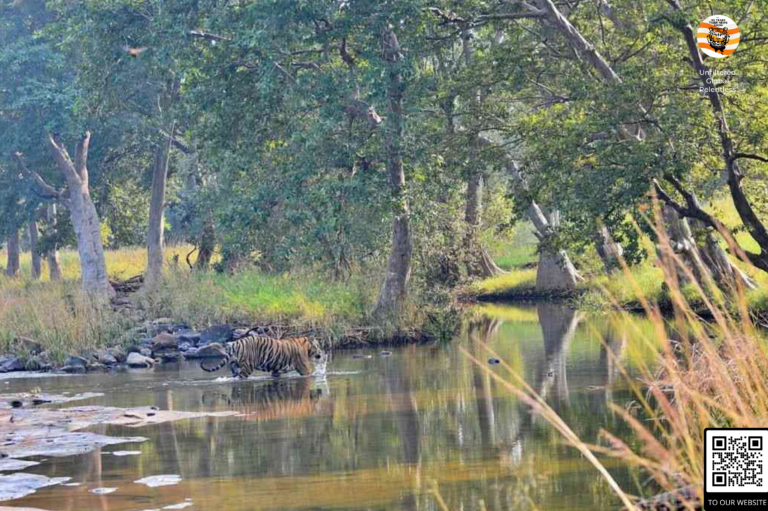
Photo: NomadLawyer, India