Cambodia is asking the world to believe in a tiger comeback, and Mongabay is right to ask whether the country has earned that trust yet, as reported by Mongabay. The plan would move Bengal tigers from India into the Cardamom Mountains, years after Cambodia’s last confirmed camera-trap tiger record in 2007 and its formal tiger extinction declaration in 2016. Reintroduction can be powerful conservation, but only when the original causes of extinction have been confronted. Here, the questions are not anti-tiger. They are pro-survival. Tigers should not be exported into another unfinished experiment.
Cambodia Must Prove The Forest Is Ready
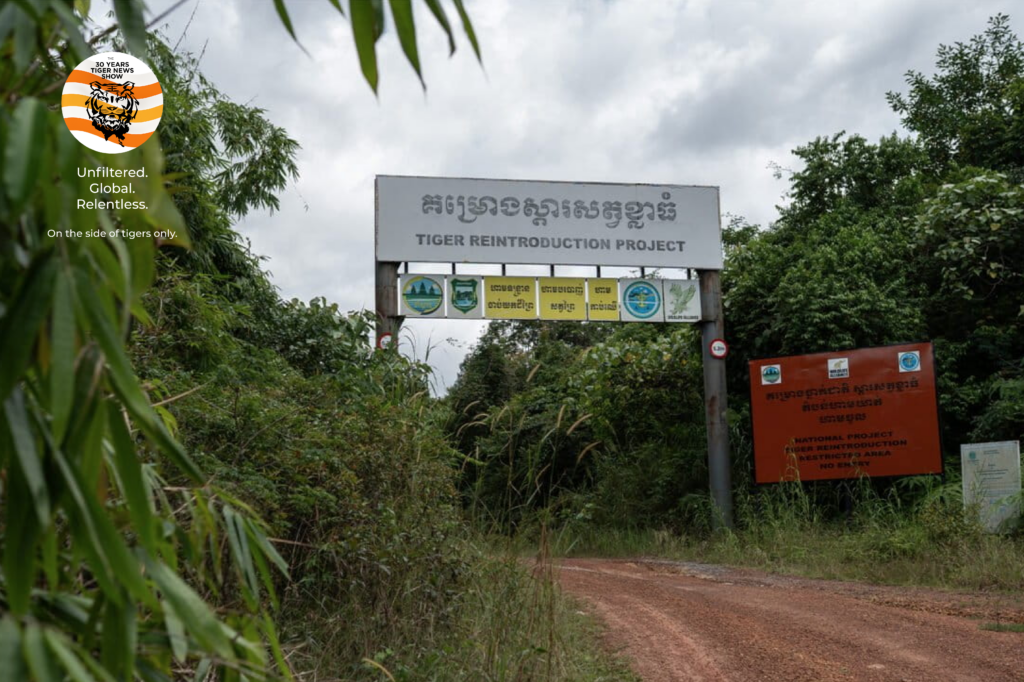
The proposed release area sits inside Kravanh National Park, part of the Cardamom forest network. Experts quoted in the article raise concerns about prey density, warning that the landscape may not have enough large prey to support tigers over the long term. Carnivore biologist K. Ullas Karanth said an adult tiger may kill roughly one deer- or cow-sized animal per week, meaning prey populations must be strong enough to absorb that offtake.
Cambodia cannot solve that with hope. A 2020 study found a high risk that prey numbers were insufficient for a viable tiger population, with better odds only for a very small founder group. Small tiger populations can quickly face inbreeding and long-term failure. If the forest cannot feed the cats, the cats will turn to livestock, weaken, disperse badly or die.
Snaring And Hunting Are Still The Test
The deepest concern is not whether India has tigers to send. It is whether Cambodia has removed the conditions that erased its own. In the past, poaching pressure, snares, guns, pit traps and even land mines helped wipe out tigers. The article notes that wildlife trade links fed black markets for traditional medicine and luxury products, particularly in China. In 2023, Cambodia’s Indochinese leopard was declared functionally extinct.
That should make every official cautious. Cambodia still faces snaring, targeted hunting and wildlife trade pressure. WWF stopped its own tiger reintroduction plans in the Eastern Plains after surveys showed ungulate declines, largely blamed on snares. Sending Bengal tigers into a landscape where snares remain common would not be restoration. It would be sacrifice with better branding.
Communities Cannot Be An Afterthought
Mongabay’s reporting is valuable because it asks what many glossy reintroduction announcements avoid: have local people been properly consulted? Residents near the planned release area depend on forests for fruit, vegetables, resin and grazing. Some said they had not been informed. Others wanted clear boundaries and locations because they enter the forest for livelihoods.
Cambodia must not treat community fear as ignorance. Historical memories of tiger attacks remain in the Cardamoms, and one local woman said tiger release could stop her from collecting samrong fruit, income she depends on. Others welcomed the return of tigers for spiritual and ecological reasons. Both views matter. Reintroduction without free, prior, honest and practical consultation would make people carry risk for a project designed elsewhere.
Conservation Needs More Than Symbolism
The Cardamoms also face deforestation, logging and hydropower development. In 2024, Cambodia lost more than 93,000 hectares of forest, about half inside protected areas. Five hydropower dams are under construction in the Cardamom Mountains, including one just seven kilometres from the release station. Roads and dams do not only remove habitat. They open access for poachers and loggers, fragment movement and make protection harder.
Cambodia’s tiger plan can still become meaningful, but only if evidence comes before ceremony. Prey recovery, anti-snare enforcement, transparent funding, community consultation, livestock-risk planning, disease screening, compensation systems and long-term monitoring must be proven before the first tiger is released. India should also ask hard questions before gifting animals from its own flagship population.
This is where conservation practices matter more than ambition. Another media outlet has asked the right questions, and those questions deserve answers. Cambodia should not receive tigers because tiger absence is embarrassing. It should receive them only when the forest, prey, people and law can keep them alive.
Source: Mongabay, United States
Photo: Mongabay, United States