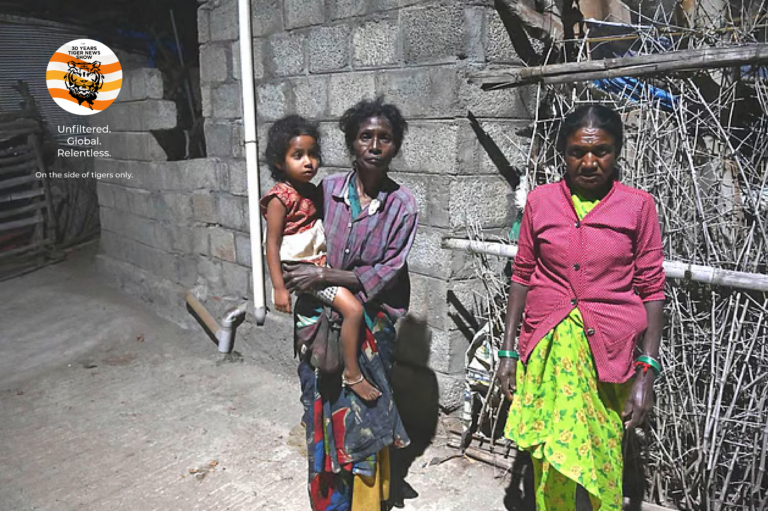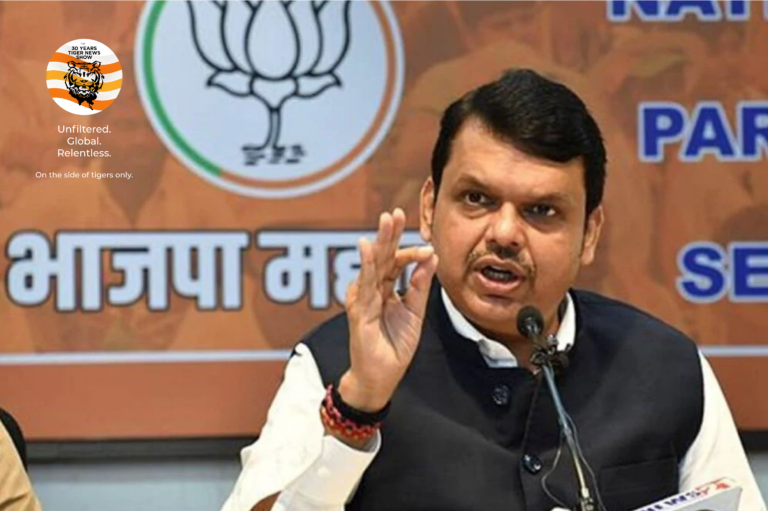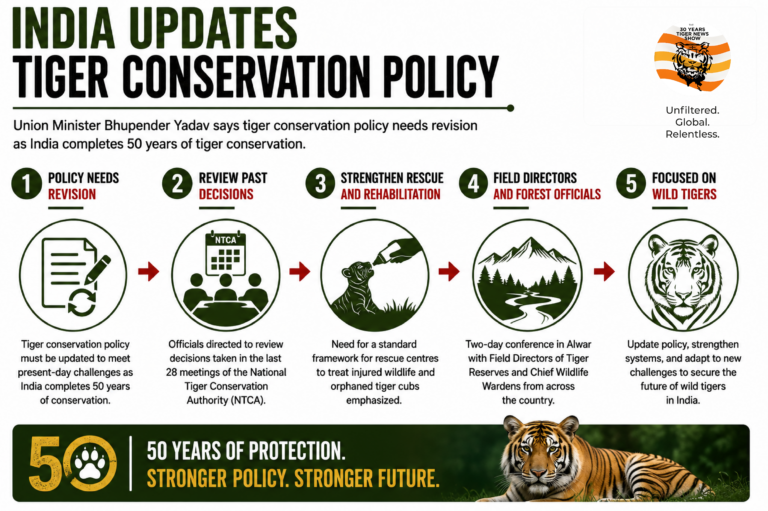
Perspective is what Maharashtra’s human-wildlife conflict debate keeps losing, as reported by UNI. RTI data from the state Forest Department says wildlife-related incidents claimed 501 human lives, injured 3,934 people, killed more than 30,000 livestock and damaged over 550,000 crop holdings between 2020 and 2026. Those numbers are serious. Human deaths are not statistics to wave away. But numbers without population history can become a weapon against wildlife. Chandrapur is not the same human landscape it was a century ago. Its population reportedly rose from 17,803 in 1901 to 226,105 in 1991, 289,450 in 2001, 320,379 in 2011, and roughly 479,000 by 2026.
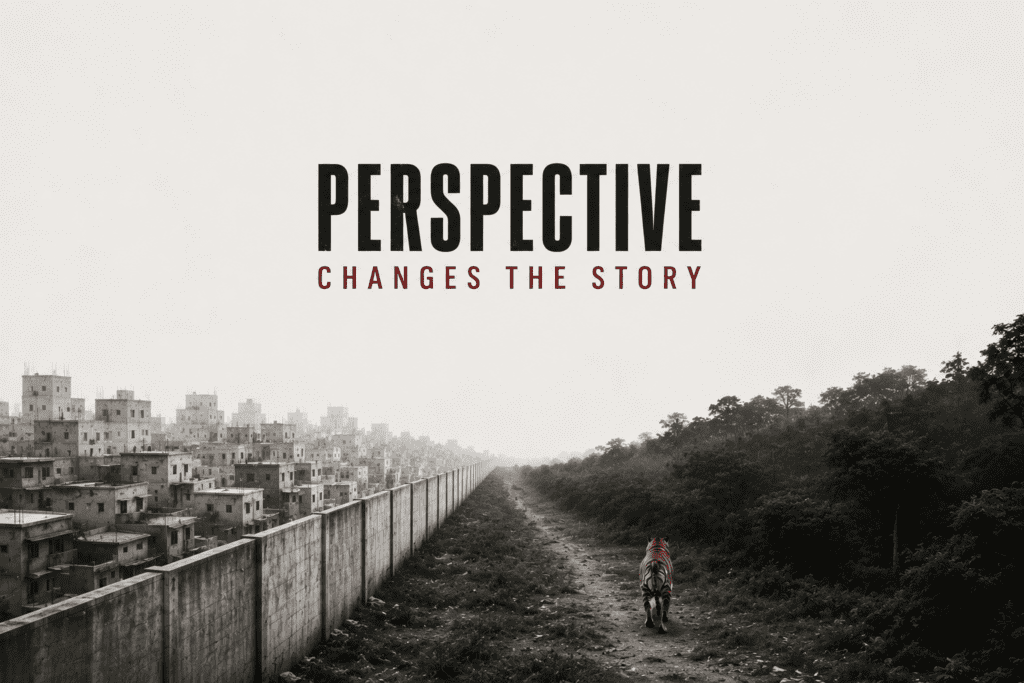
Perspective Changes The Conflict Story
That growth changes every conflict headline. It’ giver perspective, desperately needed to help tigers.
More people, livestock, farms, roads, crop holdings and daily movement along forest edges create more contact with wildlife. This does not excuse attacks or erase grief. It asks why conflict is framed as animals becoming abnormal when human pressure has expanded so sharply around tiger corridors and forest-fringe villages. The RTI figures show a statewide crisis across Maharashtra, especially across tiger corridors and forest-fringe settlements. Compensation systems are under pressure because people are dying, injured, losing livestock and losing crops. That pressure is real, and it deserves serious policy.
But if public debate begins only with attack numbers, it quietly removes the deeper driver: humans have multiplied, expanded and pushed daily economic life into places where wild animals still move. Chandrapur is a useful example because its growth is not subtle. A settlement that moves from fewer than 20,000 people in 1901 to nearly half a million by 2026 cannot pretend the landscape around wildlife stayed unchanged. The perspective here is not anti-human. It is anti-denial. It says that conflict cannot be understood if only the tiger is placed under the public microscope.
Conflict Numbers Need Context
Tigers move through what remains of habitat. People keep adding pressure around it. The phrase man-animal conflict already carries a problem. It places humans and animals in opposition without asking who redesigned the battlefield. Reports of death, injury and crop loss are necessary, but the framing often trains the public to see wildlife as the growing threat. The better question is whether Maharashtra planned for the consequences of population growth, agricultural expansion, livestock exposure and corridor pressure.
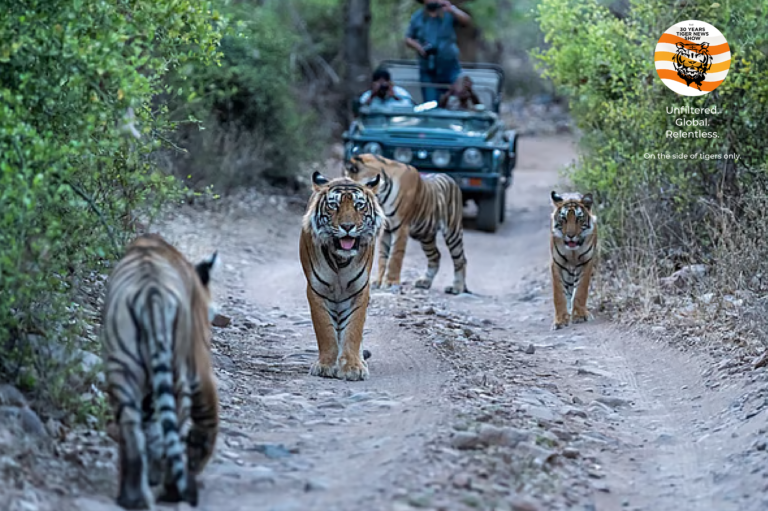
Another perspective is needed on tiger behaviour. More human presence creates more risk, even when tiger numbers do not explode. A tiger crossing a corridor today may meet many more people than a tiger crossing the same landscape decades ago. The animal is not more political, more malicious or more dramatic. The landscape is more crowded, more fragmented and more exposed to daily human movement. If that reality is ignored, every future conflict becomes another demand to remove wildlife instead of redesigning human activity before the next crisis.
Planning Must Follow The Numbers
The RTI data should push Maharashtra toward prevention, not panic. Villages need alerts, compensation, safer grazing systems, crop-protection planning, livestock management, road discipline and corridors that actually function. Forest staff need resources before conflict peaks, not only after deaths become headlines. Compensation mechanisms matter, but they are not a substitute for reducing exposure. Chandrapur’s population history should be part of every serious discussion. If the human population has grown so sharply, then conflict prevention must grow too.
Without perspective, tigers alone absorb blame while settlement density, land use and weak planning escape the frame. Human suffering deserves attention. So does the structural truth that expanding human pressure creates predictable contact with wildlife. The media should stop presenting conflict as if tigers simply entered a human world from nowhere. The human world grew into tiger country, and governments failed to manage that honestly.
Real media perception must show the full equation: people, land, livestock, corridors, compensation and tiger movement together. Otherwise, perspective disappears, conflict coverage becomes another distorted mirror, and humans create the pressure while tigers inherit the blame.
Source: UNI, India
Photo: UNI, India