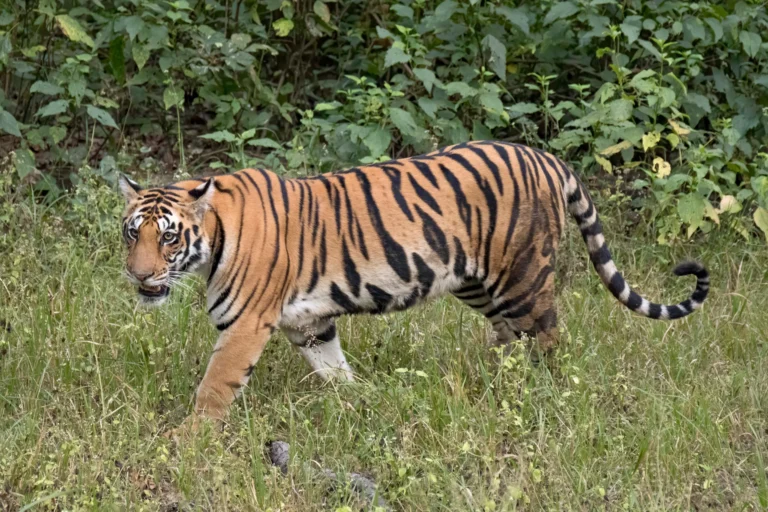
The opening of India’s Padma Bridge was celebrated as a triumph of connectivity — an engineering marvel linking people, trade, and opportunity. But for the Sundarbans, the world’s largest mangrove forest and home of the Royal Bengal tiger, this new access is double-edged. The bridge has made travel faster and tourism easier, but every hour saved for humans translates into pressure added on a fragile ecosystem. What was once a journey reserved for the determined now invites crowds, tour boats, and construction. As reported by Travel and Tour World, the Padma Bridge has turned the Sundarbans into a “thriving tourism” zone — a phrase that directly contradicts the promise of “sustainable growth and conservation.”
A surge of access, a loss of restraint
Since the bridge’s opening in 2022, domestic tourism to the Sundarbans has increased by 45%, with foreign visitors doubling. More than 216,000 people visited in 2022–23, and the numbers continue to rise. The Forest Department’s 20-year Ecotourism Masterplan calls for limits, waste management, and dispersal of visitors — yet implementation lags behind promotion. For every new eco-resort or luxury cruise, mangrove edges are cleared, fuel boats churn rivers, and waste flows into the same creeks that nurture tiger prey. Tourism now grows faster than regulation, and the forest’s silence is being replaced by the sound of motors and cameras.
The contradiction of “eco”
The marketing language around the Padma Bridge emphasizes “eco-lodges” and “community benefit,” yet these terms have been stretched until they mean little. A surge of private investment has produced more than twenty-three eco-resorts in key districts, with some locals claiming over a hundred small operations. Many employ villagers and offer income alternatives — a genuine benefit. But when the economic model depends on volume, not restraint, “eco-tourism” becomes extraction with better branding. The Sundarbans is not equipped to carry unlimited guests, and its wild inhabitants pay the price for human optimism.
The irony is stark: the same bridge hailed as a symbol of development may be accelerating a subtler form of destruction — the loss of ecological calm. The mangrove’s rhythm depends on solitude, not spectacle. Tigers in the delta already struggle with sea-level rise, salinity, and prey scarcity. Now they must also coexist with an influx of human noise disguised as conservation.
Habitat destruction, disguised as opportunity
Behind the headlines of “thriving tourism” lies the slow erosion of ecological boundaries. The creation of new tourist zones, entry points, and visitor centers fragments what little inviolate space remains. The pressure of boat traffic compacts soil, disturbs bird colonies, and pushes wildlife deeper into shrinking refuges. This is the same pattern seen across Asia: connectivity without constraint. Roads and bridges like the Padma Bridge open doors that ecosystems cannot close.
What connects humans often divides habitats. The Padma Bridge has become a gateway to profit, not preservation. Each selfie on a mangrove trail, each cruise through breeding grounds, is part of an expanding ledger of invisible damage. The future of the Sundarbans depends not on its popularity but on its restraint. Without it, “thriving tourism” becomes another chapter in habitat destruction — polished, profitable, and deadly.
Conservation or convenience
For local communities, tourism brings short-term relief — employment, trade, access. For tigers, dolphins, and migratory birds, it brings permanent disturbance. The Padma Bridge was meant to unite regions, yet it has fractured the meaning of coexistence. Conservation cannot survive on slogans of “sustainable growth” while inviting unsustainable crowds. True balance would mean limits: capped visitor numbers, strict zoning, and reinvestment of revenue into habitat restoration.
The Sundarbans’ beauty has always depended on distance — on the difficulty of reaching it. The easier we make it to enter by creating more Padma bridges, the faster we erase what made it sacred. The bridge that promised connection now tests whether humans can cross without consuming what they claim to admire.
Source: Travel and Tour World, India
Photo: Wikipedia, Azim Khan Ronnie