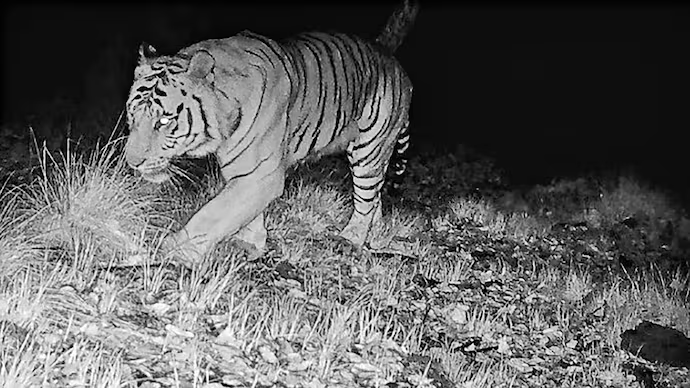
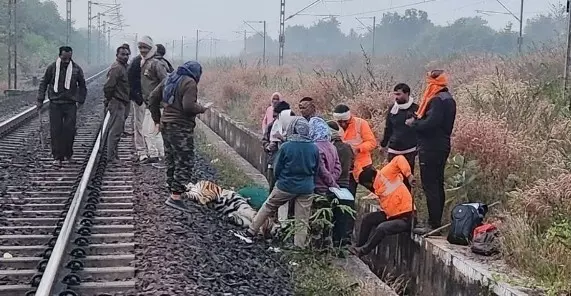
Introduction – When Boundaries Disappear
At the edge of every forest, two worlds are collapsing into one and where most human-tiger conflicts appear. Fields now touch the tree line, and the silence of dusk carries the sound of engines, axes, and herds. What governments call human-tiger conflict is not a clash of instincts—it is the consequence of intrusion. As human settlements expand, tigers lose cover, prey, and patience. When they emerge from shrinking forests to follow livestock or water, retaliation follows. Every death—human or tiger—is a symptom of the same disease: habitat replaced by ambition.
Across Asia, illegal plantations, unregulated grazing, and forest encroachments have erased the distance that once kept both species safe. In India alone, more than a thousand villages now border core tiger zones, many built on land officially protected. In Sumatra, small-scale farmers and illegal loggers clear patches faster than enforcement can respond. These are not isolated crimes—they are the quiet dismantling of boundaries.
Tigers no longer hunt in secret; they survive in surveillance. Every step outside the forest is a risk, every roar an accusation. Yet when conflict erupts, blame falls on the tiger, not on the system that left it nowhere else to go. Human-tiger conflict –tiger is not an accident—it is the outcome of a civilization expanding without restraint and pretending surprise when the wild fights back.
The Geography of Fear
Human-tiger conflict begins long before the first attack. It begins where the forest ends—at the invisible border where trees thin into farmland. These edges stretch for thousands of kilometers across Asia, tracing the limits of tolerance. On one side, families cultivate rice, graze cattle, and collect firewood. On the other, a tiger tries to survive in fragments of forest too small to sustain prey. Fear defines both sides. For villagers, every rustle is danger. For the tiger, every movement is exposure. Habitat loss and illegal use of forest land have made fear the new geography.
In central India’s buffer zones, tigers are now photographed walking through sugarcane fields, their stripes almost blending with the crop. These fields are often planted on encroached land—illegal but ignored.

Livestock wander into reserves to graze, and farmers set snares to protect them. A missing cow becomes justification for revenge. In Indonesia’s Riau province, smallholders cultivating oil palm illegally inside forests trigger the same pattern: tigers lose prey, turn to cattle, and are trapped or poisoned in response. All examples are branded human-tiger conflicts.
This geography of fear is expanding. As forests shrink, people and tigers are compressed into the same space, both fighting for survival. Yet one side has choices—migration, compensation, relocation. The other has none. Human-tiger conflict is not born of aggression but of proximity, engineered by land policies that favor the loudest claims over the oldest rights. The forest is no longer frontier; it is eviction made visible.
The Anatomy of Encroachment
Encroachment does not arrive with armies; it arrives with fences, cattle sheds, and quiet permission. Human-tiger conflict grows from this slow invasion—plots carved from forest edges, hillsides flattened, and buffer zones converted into cropland. Each small violation seems harmless until the map becomes unrecognizable. In India alone, tens of thousands of hectares of reserve land have been lost to illegal farming and grazing. What begins as subsistence often becomes organized exploitation, protected by local politics and overlooked by enforcement. When rules are bent for one family, they eventually break for all. The result: human-tiger conflict.
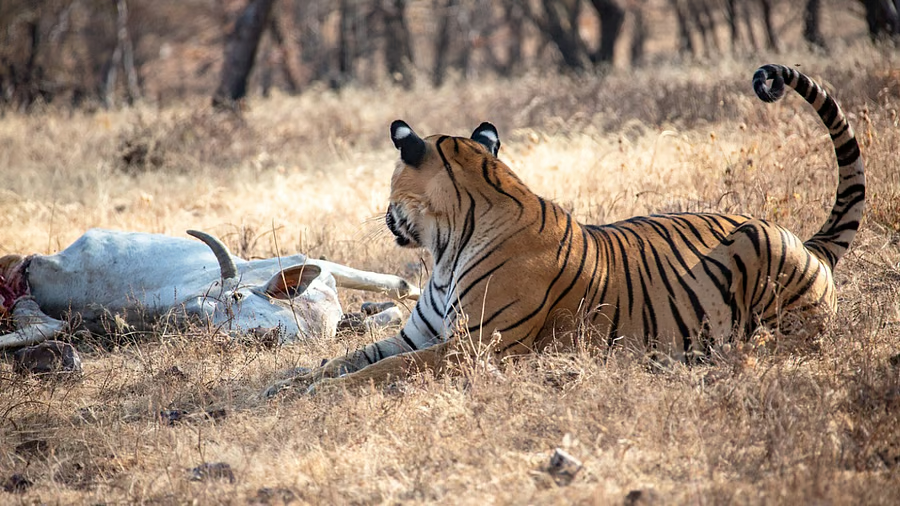
Illegal grazing is one of the most destructive forces behind human-tiger conflict. Cattle herds trample young forest, spread disease to wild ungulates, and consume the grass that supports deer and gaur. Every animal eaten by a cow is an animal not eaten by a tiger. Deprived of prey, the tiger follows the scent of livestock, entering villages that now sit where jungle once grew. In the Sundarbans and Central India, these incursions are met with traps, firecrackers, or guns—revenge dressed as protection.
The anatomy of encroachment is deliberate. It thrives on bureaucratic neglect and profit disguised as poverty. Illegal logging supplies timber to local mills; plantations expand under political patronage. Behind every cleared acre stands a signature of complicity. Human-tiger conflict is therefore not random interaction but predictable consequence. Each encroachment shifts the frontier further inward until there is no forest left to fight for—only lines on paper marking what once belonged to the wild. But before that, a lot of human-tiger conflicts take place, with tigers always taken the blame.
Livestock, Loss, and the Language of Blame
When a tiger kills livestock, it is headline news. When hundreds of cattle graze illegally inside reserves each day, it is routine. The imbalance in perception defines human-tiger conflict. Loss feels personal to people, invisible to systems that created the risk. For many rural families, a single cow or buffalo equals a month’s income. When it disappears, rage follows faster than reason. Forest departments calculate compensation in paperwork, not emotion, and delays turn justice into provocation. By the time a cheque arrives, the tiger is already dead—poisoned, electrocuted, or trapped.
In the buffer zones of Madhya Pradesh, India, such retaliation has become normalized. Villagers use pesticide-laced carcasses to kill predators that venture near farms. The cause is rarely hatred; it is survival. Yet behind every “problem tiger” lies the same pattern—livestock grazing deep into protected land, unchecked by law or enforcement. The tiger follows, as any hungry animal would, and is branded a killer for behaving naturally.
The language of blame is political convenience, especially with human-tiger conflicts. Officials label tigers “man-eaters” or “conflict animals” to justify capture and relocation. Communities are told to fence themselves, as if coexistence were a luxury, not a shared necessity. In truth, every lost cow is the price of human expansion into forbidden ground. Real solutions require prevention, not punishment: grazing management, compensation that respects value, and education that reframes loss as consequence, not crime. Until that happens, the tiger will remain the scapegoat for a system that rewards trespass and punishes hunger.

The Myth of the Man-Eater
The words “man-eater” carry centuries of fear, but most tigers branded with that label were never hunters of humans—they were survivors of circumstance. Old injuries, missing prey, and shrinking space drive them to the edges of villages, where the boundary between instinct and desperation disappears. One fatal human-tiger conflict is enough for the media to ignite panic and for officials to authorize execution. The myth of the man-eater turns a symptom of habitat loss into a spectacle of revenge. It makes the tiger a villain so the system can stay innocent.
Across India and Nepal, every killing follows the same choreography: television crews arrive, villagers gather, traps are set, and the tiger’s death becomes both punishment and entertainment. Few stories mention the illegal fields, the fallen trees, or the livestock trails that brought the tiger there. Conflict becomes content. The label “man-eater” absolves governments from admitting failure and allows industries to keep expanding into the wild without scrutiny.
In most cases, the tigers that attack people are old, injured, or displaced by deforestation. Yet they die branded as monsters. When authorities tranquilize and relocate them to overcrowded zoos or so-called “rescue centers,” they are not saving lives—they are erasing evidence. The real man-eater is the landscape we built, the one that devours balance and calls it progress. Human-tiger conflict persists because fear is profitable, and truth does not trend. Until we retire the myth, we will keep killing symbols instead of solving causes.
Corruption and Collusion in Conflict Zones
Where there is chaos, there is profit. Human-tiger conflict has become an economy of its own, sustained by corruption, collusion, and political theatre. Each attack or death becomes a stage for money and influence. Compensation funds are diverted, investigation reports are edited, and contracts for fencing, relocation, or “rescue” are awarded to the well-connected. What begins as tragedy becomes transaction. The tiger’s suffering—and the villagers’ fear—become tools for those who profit from instability.
In many range states, illegal plantations and logging thrive precisely because conflict provides cover. While forest officials chase a tiger accused of killing livestock, trucks move timber, sand, or coal through the same reserve. Permits for grazing or “buffer-zone farming” are quietly extended in exchange for bribes. Local politicians promise voters access to forest land, ignoring that it’s already protected. By the time enforcement arrives, the damage is irreversible. Corruption does not just weaken conservation—it manufactures conflict to justify itself.
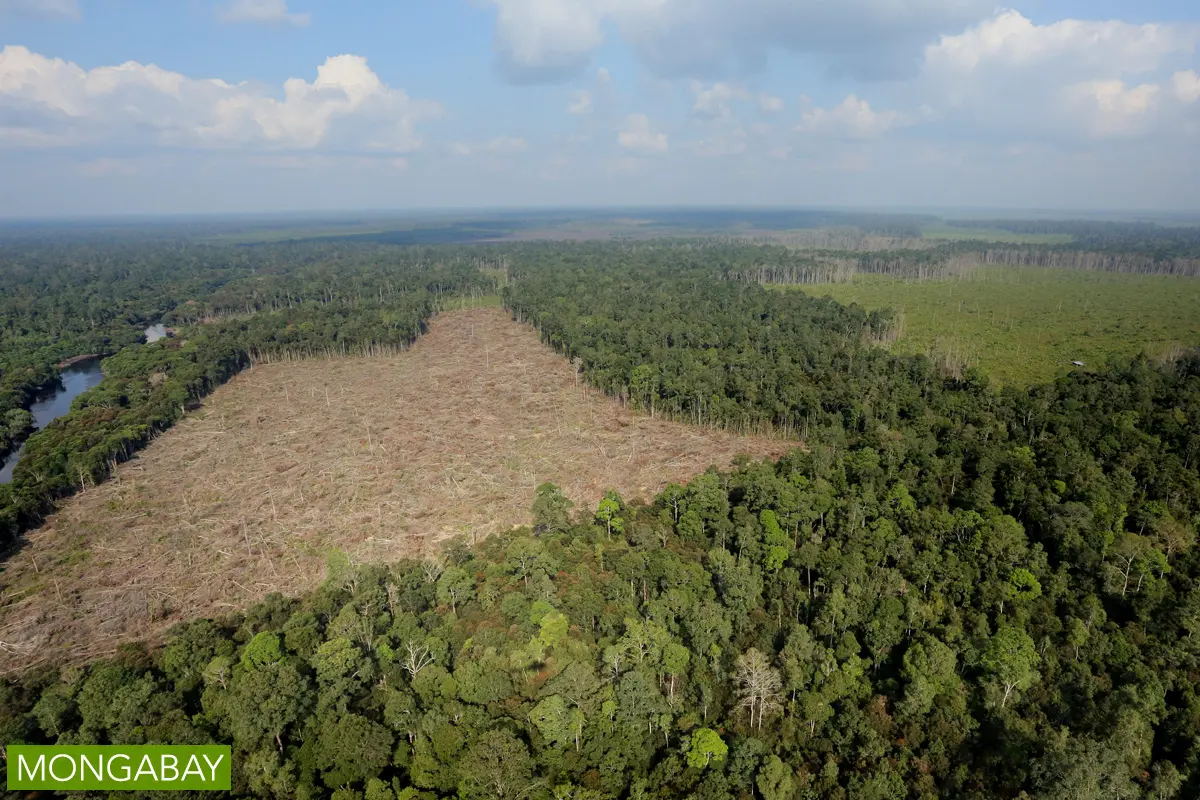
The collusion runs deep. Forest guards are pressured to declare tigers as threats so that “control operations” can be funded. NGOs avoid exposing this because their projects depend on official approval. In the end, everyone gets paid except the people who live with the consequences—and the tiger, who dies in silence. Human-tiger conflict is not only ecological; it’s economic theatre, designed to protect those who caused it. Until corruption is treated as the true predator, coexistence will remain an illusion printed on government brochures.
The Psychology of Fear and Retaliation
Fear travels faster than fact. In villages bordering tiger reserves, a single roar at night can empty fields and freeze communities. Human-tiger conflict feeds on this fear—a primal memory of vulnerability combined with modern anxiety about loss and safety. Fear doesn’t wait for data; it demands action. The next morning, search parties gather, traps appear, and the cycle begins again. This psychology is understandable, but it has been exploited by media, local politicians, and officials who translate panic into power. Fear wins elections, sells headlines, and distracts from the reasons the tiger appeared in the first place.
The psychology of retaliation grows from trauma left untreated. Families who lose loved ones or livestock feel abandoned by bureaucracy. Compensation is delayed, officials appear briefly, and empathy is replaced by paperwork. Rage becomes the only available justice. In India’s Uttar Pradesh and Nepal’s Chitwan buffer zones, mobs have killed tigers with sticks and fire after attacks, often destroying vital evidence in the process. Yet these outbursts are not pure hatred—they are desperation built on years of neglect.
Effective coexistence cannot begin with slogans; it must begin with healing. Communities living beside tiger forests need counseling, consistent dialogue, and visible protection measures. When fear is acknowledged, it softens. When it is ignored, it mutates into vengeance. Human-tiger conflict is not inevitable—it is the emotional aftershock of policy failure. Only when compassion extends to both species will survival become a shared goal rather than a contested border.
The Psychology of Fear and Retaliation
Fear travels faster than fact. In villages bordering tiger reserves, a single roar at night can empty fields and freeze communities. Human-tiger conflict feeds on this fear—a primal memory of vulnerability combined with modern anxiety about loss and safety. Fear doesn’t wait for data; it demands action. The next morning, search parties gather, traps appear, and the cycle begins again. This psychology is understandable, but it has been exploited by media, local politicians, and officials who translate panic into power. Fear wins elections, sells headlines, and distracts from the reasons the tiger appeared in the first place.
The psychology of retaliation grows from trauma left untreated. Families who lose loved ones or livestock feel abandoned by bureaucracy. Compensation is delayed, officials appear briefly, and empathy is replaced by paperwork. Rage becomes the only available justice. In India’s Uttar Pradesh and Nepal’s Chitwan buffer zones, mobs have killed tigers with sticks and fire after attacks, often destroying vital evidence in the process. Yet these outbursts are not pure hatred—they are desperation built on years of neglect.

Effective coexistence cannot begin with slogans; it must begin with healing. Communities living beside tiger forests need counseling, consistent dialogue, and visible protection measures. When fear is acknowledged, it softens. When it is ignored, it mutates into vengeance. Human–tiger conflict is not inevitable—it is the emotional aftershock of policy failure. Only when compassion extends to both species will survival become a shared goal rather than a contested border.
Failed Relocations and the Cycle of Displacement
Relocation has become the bureaucratic solution to human-tiger conflict—an easy way to remove the visible problem without addressing its cause. But relocation almost never works. Whether it’s the tiger or the people being moved, both end up worse off. When a tiger is captured and released into a new reserve, it faces unfamiliar territory, rival males, and fewer prey animals. Many die within months from starvation, injury, or new conflict. The operation looks humane on paper; in practice, it is exile.
For people, relocation means cultural erasure. Entire villages near reserves like Kanha, Melghat, and Corbett have been displaced under the banner of conservation. Promises of land, water, and compensation vanish after the photo op. Communities are left stranded—too far from jobs, too close to debt. Ironically, many resettled families later return to forest fringes because survival outside is harder. The result is a revolving door: displaced humans reclaiming land, displaced tigers returning to it.

This cycle is expensive, ineffective, and cruel. It treats coexistence as impossible instead of necessary. Real solutions don’t lie in moving victims; they lie in removing causes. Stop illegal encroachment, regulate grazing, secure corridors, and give forest-edge communities a stake in protection. Relocation is not resolution—it is erasure disguised as policy. Each failed move deepens mistrust, fuels resentment, and fractures the fragile peace needed to share the land. The goal should never be separation—it should be shared endurance within boundaries that respect both survival and space, in which human-tiger conflicts are accepted as a way of life.
Coexistence: Learning from Communities That Endure
Not every border burns. Across Asia, quiet examples of coexistence prove that human–tiger conflict is not destiny—it’s a policy choice. In parts of Maharashtra’s Chandrapur district, India, communities living inside tiger range have reduced attacks through collective vigilance and seasonal grazing rules. Local leaders mark no-go zones during peak breeding months and coordinate with forest guards rather than confront them. In Nepal’s buffer villages around Chitwan, residents use solar fences and livestock pens built by cooperatives, not governments. The result is less human-tiger conflicts, fewer losses, fewer retaliations, and renewed trust.
These successes are not miracles; they are management. They depend on communication, transparency, and respect. People who live beside tigers understand risk better than anyone, yet they are rarely invited to design the policies that govern their survival. Empowerment—ownership over conservation—turns anxiety into pride. Where community-led patrols, benefit-sharing, and awareness programs exist, conflict declines. The tiger stops being an enemy and becomes a neighbor again.
But such models survive only with consistent support. When governments cut budgets or NGOs chase new projects, local cooperation collapses. Coexistence is fragile; it requires permanence, not publicity. Human-tiger conflict cannot be solved by drones or slogans—it must be lived and negotiated daily. The tiger’s survival depends not on technology, but on empathy rooted in knowledge. These communities prove what the rest of the world keeps denying: coexistence is not an ideal. It’s already happening—we just have to choose to sustain it.
The Future of Survival
The line between human life and wild survival has never been thinner. The forests are shrinking, the fields are spreading, and the tiger is running out of places to retreat. Human-tiger conflict now defines the frontier of coexistence—an uneasy balance held together by fear, habit, and fatigue. Yet within this tension lies a choice. Humanity can keep pushing until every encounter ends in blood, or it can redesign its footprint to let both species endure. The tiger does not ask for kindness—only distance, silence, and time.
Future survival depends on three things: protection, prevention, and perspective. Protection means enforcing forest laws against illegal plantations, grazing, and logging with the same seriousness given to economic crimes. Prevention means anticipating conflict through land-use planning, restoring corridors, and maintaining prey bases so tigers stay inside forests. Perspective means abandoning the illusion of control—accepting that coexistence requires limits on human expansion.
Technology can help, but morality must lead. Camera grids, AI patrols, and satellite surveillance will fail without willpower to confront corruption and greed. Conservation cannot remain an NGO slogan; it must become national policy backed by law and pride. The tiger’s future is also ours. Its disappearance will mark the point at which humanity’s success becomes self-destruction. The edge of survival is not where tigers live—it’s where our choices begin.
Outro – What Survival Really Means
Survival is not a contest between humans and tigers—it is a test of what humanity values most. Every conflict, every lost life, every frightened village is a symptom of a deeper failure: the refusal to share space. We call it human-tiger conflict, but in truth, it is human greed versus ecological patience. The tiger adapts; it waits, hides, and endures. It kills when cornered, not because it is cruel, but because it must. Humans, on the other hand, kill out of fear, pride, or convenience.
The future will not ask how many tigers remained; it will ask how long we ignored what their disappearance revealed. Illegal grazing, logging, and farming are not acts of desperation anymore—they are acts of entitlement. When we cross into forest land, we are not entering someone else’s home; we are invading our own lungs, our own water sources, our own survival.
Coexistence is not a slogan carved on park gates—it is the last form of intelligence left to practice. The tiger does not need pity. It needs boundaries, respect, and justice. If we cannot coexist with the animal that kept forests alive for millions of years, we will not coexist with anything. Then all human-tiger conflicts have been for nothing.
Human-tiger conflict is not the edge of extinction; it is the mirror where our species decides what kind of civilization it wants to be.