Introduction: Communities are a Forgotten Essential for Tiger Conservation
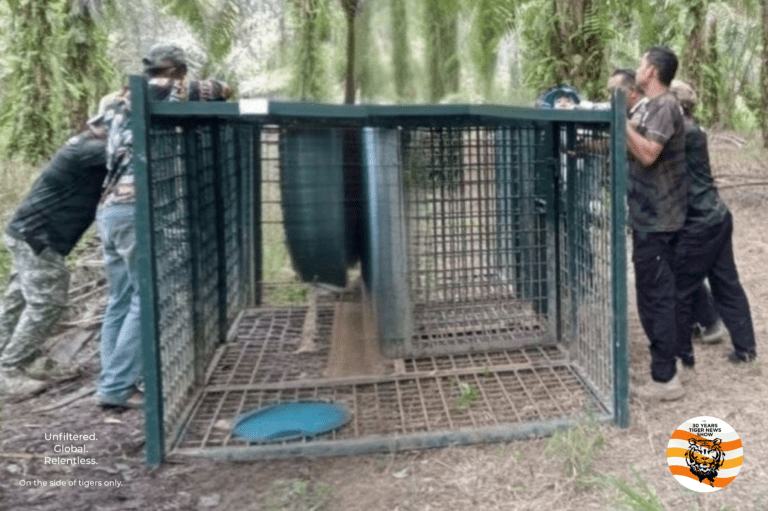
Coexistence is not a slogan. For millions living beside tiger forests, it is the line between survival and loss. A thin line. Every encounter—footprint near a well, a missing goat, a roar in the dark—tests how much fear and patience a community can bear.
Decades of protection built fences around wildlife but not trust around people. The result was predictable: resentment, retaliation, and silence that hid suffering until it exploded. Real safety begins when communities help shape the rules instead of receiving them. Across India, Nepal, Bangladesh, and Sumatra, this shift has started to take form.
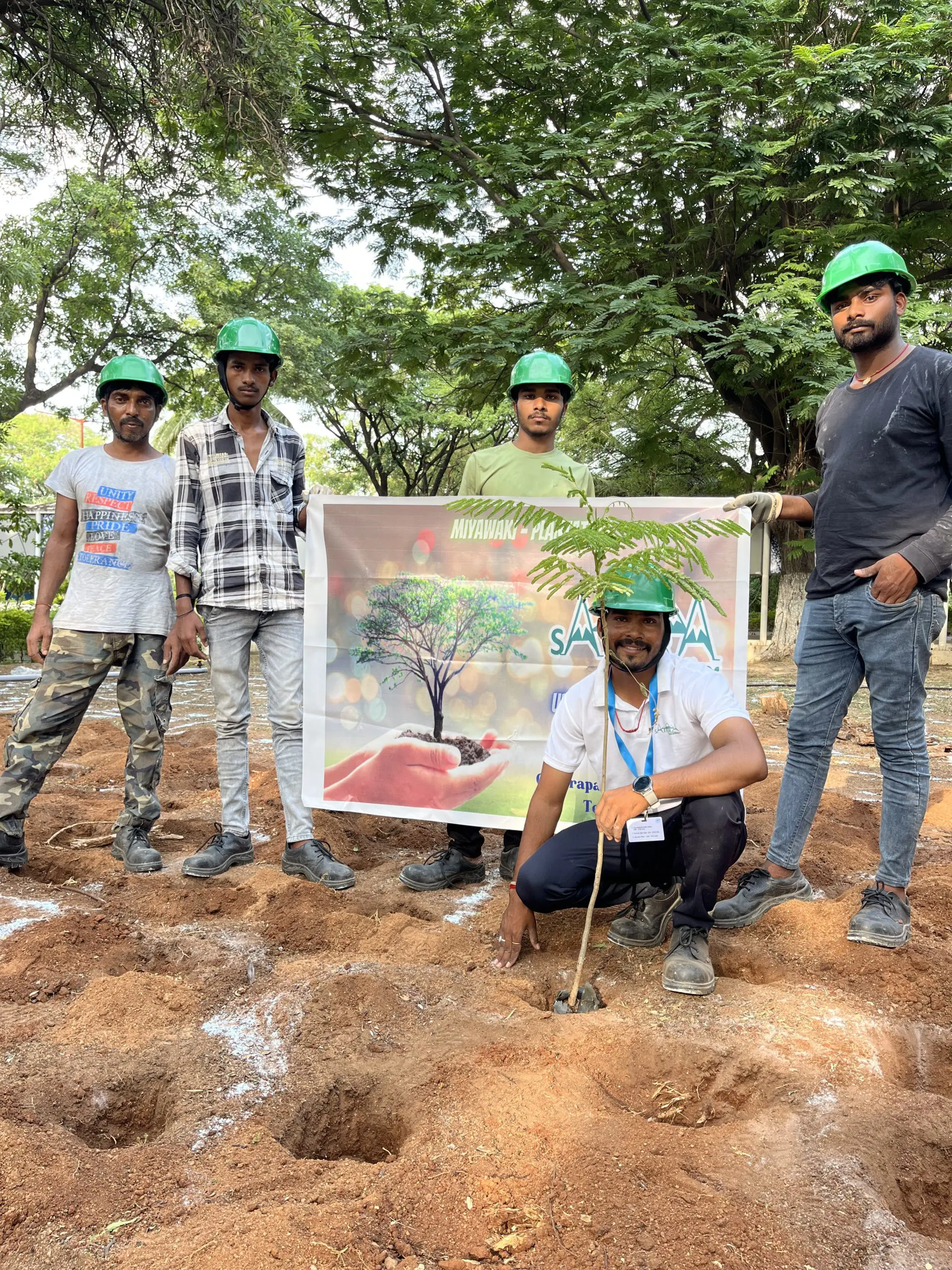
Village councils track sightings, herders report kills through mobile apps, and shared patrols combine local intuition with ranger authority. Projects like WildTeam’s “Coexistence” initiative in Bangladesh and the Satpuda Foundation’s network in central India prove that when people in a community have a role, protection lasts. Their lessons are simple: listen early, respond fast, and share credit.
Technology, compensation, and law only work when they rest on consent. The tiger’s survival depends on how deeply a community gets engaged—whether they see themselves as victims of policy or partners in protection. The future of coexistence will be measured not in census numbers, but in trust restored one conversation at a time.
The Human Cost of Living with Tigers
For people living in a community near tiger reserves, danger is ordinary. Farmers walk at dawn through grass high enough to hide a predator; children fetch water from streams bordered by claw marks. When livestock vanish or a person from a community does not return from the forest, panic spreads faster than help. Compensation forms require photos, coordinates, and witnesses—luxuries few traumatized families can provide.
Many never report their loss, convinced it will bring blame instead of relief. Across India’s conflict zones, households spend nights guarding fields with torches and drums. Fear becomes routine; resentment becomes inheritance. In parts of Nepal’s buffer zones, warning posters fade on trees while families within that community rebuild flimsy bamboo fences with their own money.
The absence of responsive systems turns every encounter into evidence that the state values animals more than citizens. Without humane safety nets, protection collapses into cruelty. Community engagement begins with empathy—acknowledging grief without bureaucratic suspicion. Programs that send rangers or veterinarians within hours change everything.

When officials arrive early and speak honestly, rumor recedes, and mobs disperse. The cost of living with tigers must be shared by the nation that claims to protect them. Without fairness, coexistence is just another word for abandonment.
From Blame to Understanding
Every retaliatory killing begins with a story of blame. Someone’s livelihood disappears, and grief searches for a target. Sometimes it is the nearest tiger; sometimes any tiger will do. Community engagement reframes the story before it hardens.
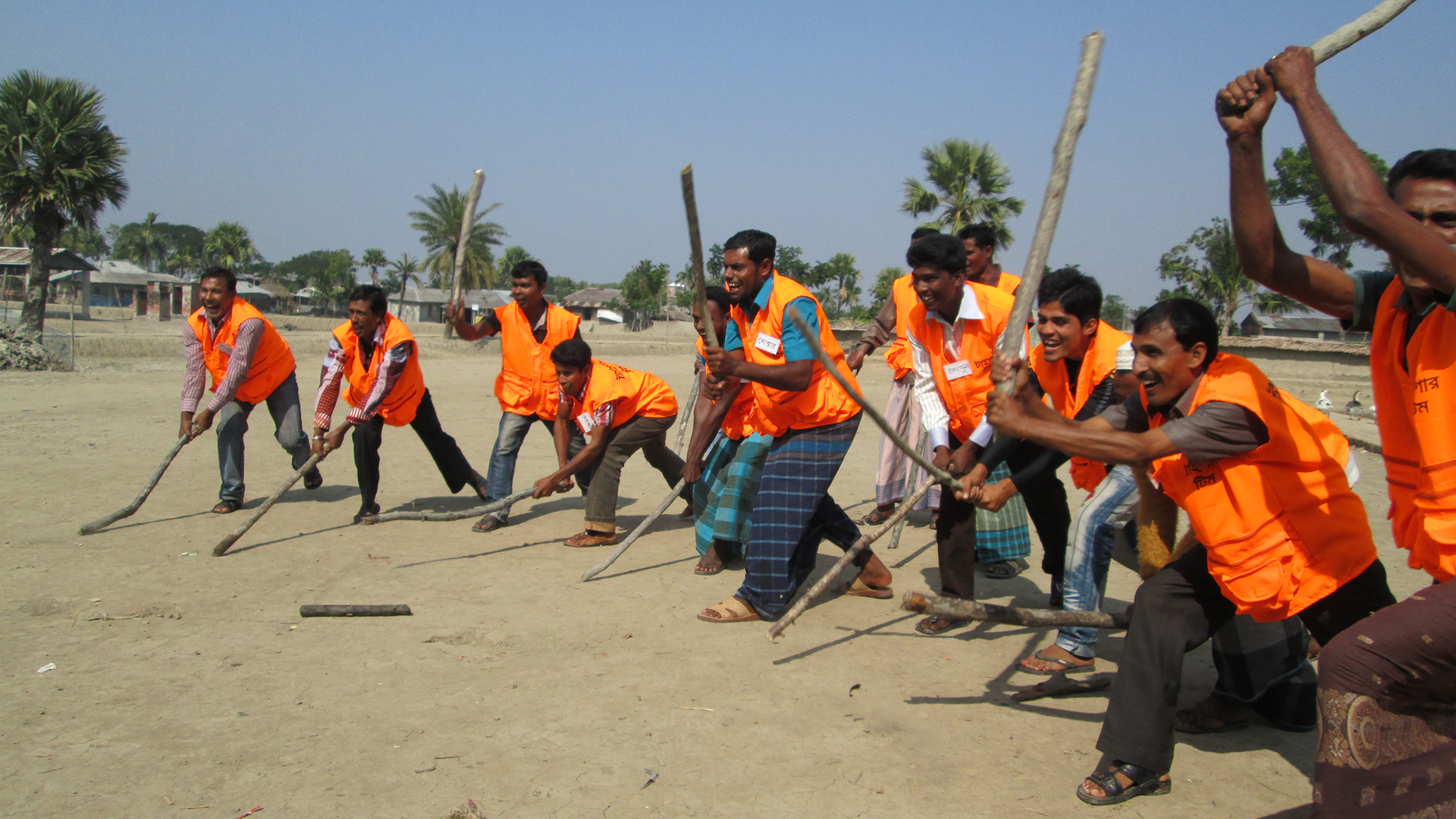
In Bangladesh’s Sundarbans, WildTeam built volunteer response groups that calm crowds after an attack, ensuring evidence is collected and misinformation doesn’t spread. In Madhya Pradesh, school teachers now host evening meetings to explain tiger behavior and safe practices during peak movement seasons. These small acts shift perception: danger becomes manageable rather than mystical.
Understanding also travels upward. When park officers attend village funerals or assist in rebuilding fences, they remind people of that community that conservation is not a spectator sport but a shared risk. Religious leaders, healers, and local politicians can reinforce respect by integrating wildlife messages into rituals and events.
Change comes slowly but visibly—fewer poisonings, more warnings before revenge hunts begin. The tiger’s image in posters and temple carvings still commands fear; only dialogue converts that fear into pride. When loss is met with presence instead of paperwork, even those who suffer can say: we will protect it because we understand it.
Grassroots Leadership and Local Wisdom
Effective protection often begins with someone who never studied ecology. A headman who remembers migration patterns, a herder who knows when the forest goes silent, a midwife who recognizes alarm calls before others do.
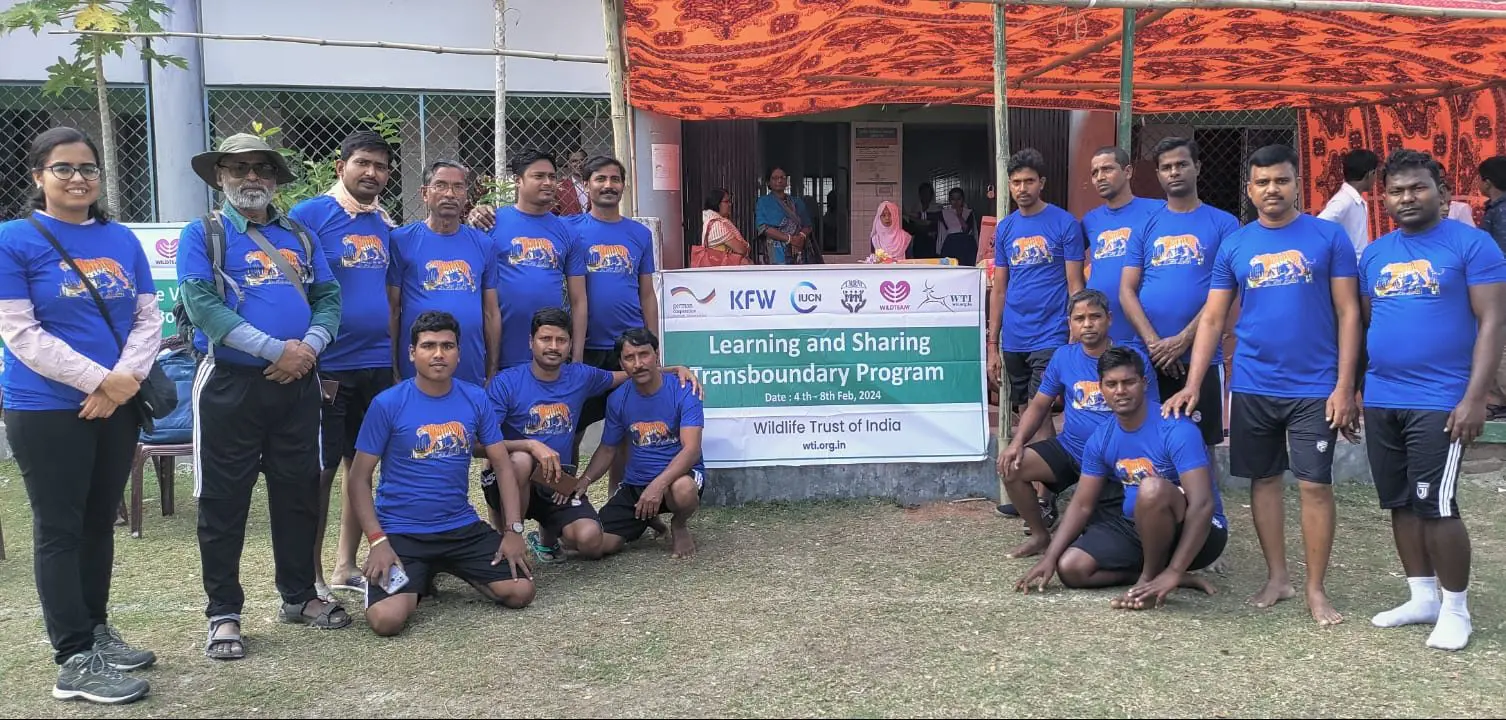
Community engagement grows strongest when these people lead. Across central India, the Satpuda Foundation supports village-level “eco-development committees” that decide how tourism revenue is spent and where crop-guarding fences are built. In Sumatra, elders track water levels to predict when tigers leave dry forest patches for farms. Their notes guide rangers better than satellite data. Respecting local wisdom means accepting that conservation is not imported—it is inherited.
When governments formalize such roles with modest stipends and authority, they create feedback loops of responsibility. Decisions made close to the problem are almost always faster and cheaper. The same elders within a community who warn rangers of illegal timber trucks can mediate disputes before they turn violent. Their legitimacy is moral, not bureaucratic.
Empowerment also builds transparency: when communities manage patrol rosters and budgets, corruption has less space to hide. Every successful corridor has a local guardian who sees its value daily.
Recognizing them publicly affirms that coexistence is leadership, not charity.
Early-Warning Systems and Rapid Response
No tiger attack should come as a surprise in the digital age. Mobile alerts, radio bulletins, and loudspeaker messages have saved countless lives where they exist—and exposed negligence where they don’t.
In Nepal’s Chitwan district, buffer-zone committees operate a network of volunteers who relay sightings via WhatsApp to park control rooms. Sirens warn nearby villages within minutes. Similar models spread through Assam and northern West Bengal, pairing technology with traditional watchtowers. The logic is simple: knowledge beats panic.
Community engagement ensures those who live closest control the flow of information. They know which paths children use, which ponds cattle visit, which lights still work at night. When early-warning grids are community-owned, credibility rises, and false alarms fall. Rapid response units matter just as much. A team that arrives within an hour of an incident can prevent riots and secure evidence. In Malaysia, wildlife officers trained by international partners now coordinate directly with village councils, reducing delays that once stretched into days.
The rule is clear: time heals nothing. Communication heals everything. Real coexistence of a community depends on how fast institutions listen when the forest speaks.
Livelihoods and Shared Benefits
Poverty fuels resentment faster than fear. If conservation denies access to firewood, grazing, or fish without offering alternatives, the forest becomes an enemy. Community engagement reverses that equation by making protection profitable.
Eco-tourism revenue sharing, as seen in India’s Pench and Tadoba landscapes, has turned guides, drivers, and home-stay owners into defenders of the species they once feared. In Nepal, buffer-zone funds finance irrigation pumps and schools, reminding families that tigers bring visitors and visitors bring income. In Sumatra, smallholder farmers trained to grow shade coffee instead of clearing forest for palm oil earn more while leaving corridors intact.
The key is fairness and follow-through. Projects collapse when benefits are captured by local elites or delayed by bureaucrats. Transparent accounting, public notice boards, and women’s committees reduce corruption and keep incentives visible. Livelihood support also stabilizes youth migration. When jobs exist near forests, fewer young men turn to logging or bushmeat trade.
The goal is not to buy loyalty but to align survival interests. When communities see tangible returns, poachers lose informants, and coexistence moves from hope to habit.
Women as Anchors of Stability
In almost every conflict-affected village, women bear the hidden cost—guarding fields at night, caring for injured relatives, feeding families when livestock is lost. Yet they remain the least consulted. Sometimes they are even blamed for human-tiger conflicts, as if the women were to blame for the stupidity of their husbands.
Programs that elevate their voices change the entire rhythm of response. In Maharashtra’s buffer villages, self-help groups run savings circles funded by eco-tourism revenue. These networks provide small loans after livestock loss, bridging the gap before state compensation arrives. In Nepal’s Terai, women forest guards patrol alongside men, balancing caution with negotiation skills that defuse confrontation.
Studies from the WWF Human–Wildlife Conflict Toolkit show that households led by women engage earlier with officials and sustain mitigation measures longer. Empowerment is therefore not symbolic—it is practical infrastructure. When women manage early-warning phones, organize clean-up drives, or teach safety lessons in schools, awareness spreads faster than fear. Gender equity also strengthens transparency: women often question budgets and challenge misconduct more openly.

True coexistence grows in these quiet acts of care that multiply across seasons. Where women lead, trust follows, and where trust deepens, tigers survive.
Education and Generational Change
Every generation inherits not only land but attitude. Fear taught young becomes harder to unlearn.
Community engagement anchored in schools can rewrite that script. Conservation education programs run by the Panthera Tigers Forever initiative in India and Malaysia use games, art, and field visits to replace myth with understanding. Children learn why tigers attack, how to react safely, and why retaliation endangers everyone. In Nepal, environmental clubs in rural schools organize patrol clean-ups and wildlife quiz contests that spark civic pride.
Teachers double as communicators, linking policy to daily experience. Adult literacy programs also play a role; people who can read warning texts or fill compensation forms become less dependent on intermediaries who exploit them. Education should not romanticize wildlife but contextualize it—linking ecological balance to crop yields, water quality, and health. When young people see forests as living infrastructure rather than obstacles, ambition shifts. Some become guides, drone operators, or data collectors, bringing modern skills home.
In the long run, coexistence will not be enforced by fines but taught by habit. A generation that grows up informed will guard its forests naturally.
Policy Gaps and Bureaucratic Failure
Even the most committed communities fail when policy ignores them. Many countries still design management plans in capital cities, far from the villages they affect.
Procedures for compensation, grazing rights, or forest produce collection remain opaque and slow. Community engagement exposes these weaknesses because people see immediately when promises break. The UNDP’s Equator Initiative documents dozens of community-led projects that stalled once agencies refused to devolve authority.
Empowerment without legal backing is performance art. Governments must codify participation—seats for community representatives in park boards, pre-approval of mitigation budgets, and simplified claim processes. Corruption must also be prosecuted, not tolerated. When local officials demand bribes to verify a livestock kill, they sabotage trust built over years. Bureaucratic inertia is another enemy: reports pile up while anger ferments. Streamlining payments through mobile transfers and public dashboards would end much of this resentment overnight.
Policy that hides behind procedure is policy that invites revolt. Forests thrive where administration serves the people who live among them, not the paperwork designed to manage them.
Transparency, Trust, and Communication
Information is protection. Rumor kills faster than any tiger. Open communication—meetings, posters, local radio—translates policy into understanding.
Community engagement depends on clarity about what the government can do, when it can act, and what it expects in return. When villagers see patrol routes and emergency numbers displayed publicly, secrecy loses power. Transparency must also extend to data. Publishing conflict statistics, compensation timelines, and response rates helps citizens hold officials accountable.
In Bangladesh, WildTeam’s coexistence program shares incident summaries online so that both donors and residents track progress. Honesty earns patience. Communities tolerate mistakes if they see learning; they revolt when deception piles up. Dialogue should be two-way. Feedback sessions where villagers evaluate ranger performance may feel uncomfortable but reveal blind spots early. Communication also includes silence—listening without defensiveness.
Trust grows from being heard, not managed. Conservation succeeds when information travels freely and truth replaces rumor. In the end, coexistence is not about taming nature but about civilizing governance.
Community Partnerships That Work
Some partnerships have already rewritten the narrative. In Bangladesh’s Sundarbans, the WildTeam network of “Tiger Response Teams” has reduced retaliatory killings by more than half through training, quick mediation, and public outreach. In central India, the Satpuda Foundation connects 50 villages through education, healthcare, and small loans, linking welfare directly to protection. In Sumatra, farmer cooperatives supported by WWF and local NGOs guard buffer plantations against encroachment and receive premiums for wildlife-friendly crops.
These stories share one formula: local ownership, steady funding, and transparent results. International recognition, such as the UNDP Equator Initiative, shows that grassroots success is scalable. Yet many governments still treat NGOs as critics rather than allies.
Integrating proven community models into official programs would multiply reach overnight. Partnerships are not charity; they are governance efficiency. Each working alliance saves money, prevents violence, and restores confidence. When citizens become stewards instead of suspects, the line between enforcement and cooperation disappears.
The tiger’s best ally is not policy written in Delhi or Jakarta but a neighbor who chooses patience over revenge because it now pays to protect.
Linking Engagement with Enforcement
Community partnership without authority collapses. Engagement must connect directly to enforcement so that warnings lead to action.
In India’s Western Ghats, volunteer forest watchers relay information to anti-poaching squads equipped to move immediately. In Malaysia, citizen patrols report illegal logging through open-data apps connected to park control rooms. This feedback loop turns observation into deterrence. Rangers gain legitimacy because villagers witness response; villagers gain safety because they see results. Community engagement embedded in law enforcement also prevents corruption.
When communities log incidents publicly, data manipulation becomes harder. Technology can help—shared dashboards that mark alerts as resolved or pending allow oversight from all sides. Joint drills build trust between civilians and uniformed officers.
The goal is symmetry: knowledge from the ground meets capacity from the state. When both sides respect that balance, enforcement becomes a partnership, not domination.
Tigers survive where the rule of law reaches the forest edge, and that line is strongest when drawn by many hands.
Outro: Shared Safety, Shared Future
The tiger’s future will not be decided in ministries but in villages where crops border forest and waterholes double as cattle ponds. Coexistence is the only strategy left, and it begins with equality. Governments must see citizens as allies, not intruders. Communities must see tigers as indicators of health, not punishment. Real community engagement merges knowledge, empathy, and accountability.
Early warnings, fair payments, and shared profits form its backbone. Education and gender inclusion sustain it. Transparent data and responsive officials legitimize it. Every attack prevented, every child who learns respect instead of fear, every woman who gains income from conservation—these are the metrics that matter.
The challenge is scale: turning hundreds of successful villages into thousands. The opportunity is immense: forests that protect both wildlife and livelihoods, citizens proud of guardianship, and states that measure success in trust restored.
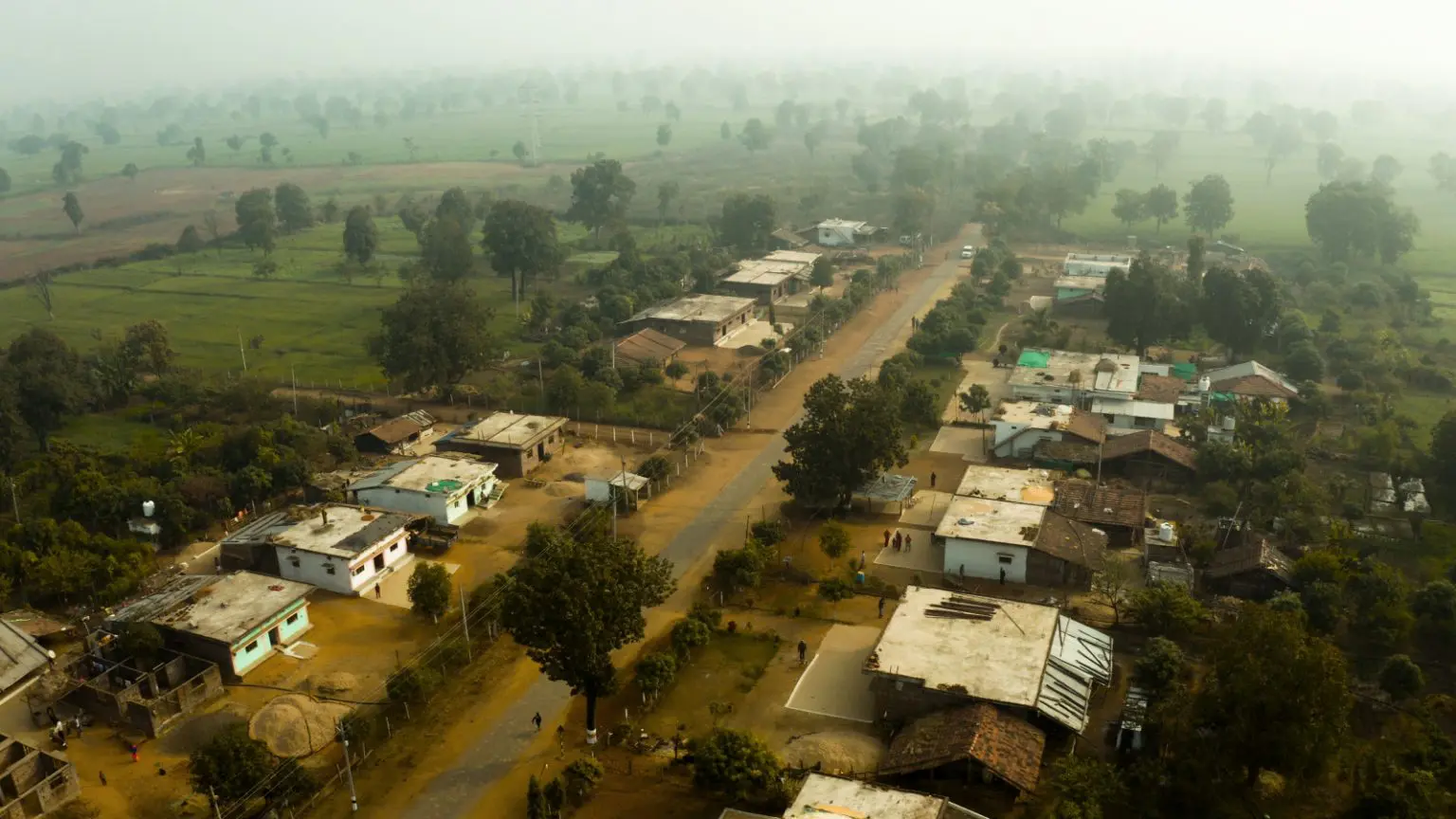
Community engagement is more than coexistence—it is democracy practiced in the forest. It replaces apathy with ownership, exclusion with dialogue, and violence with shared survival. It demands humility from governments and courage from citizens. When both appear, forests heal. When either fails, the silence spreads.
The question is not whether people can live with tigers, but whether we can live with the responsibility that comes with being human. True coexistence begins there—and it ends only when every tiger landscape is also a safe home for the people who defend it.