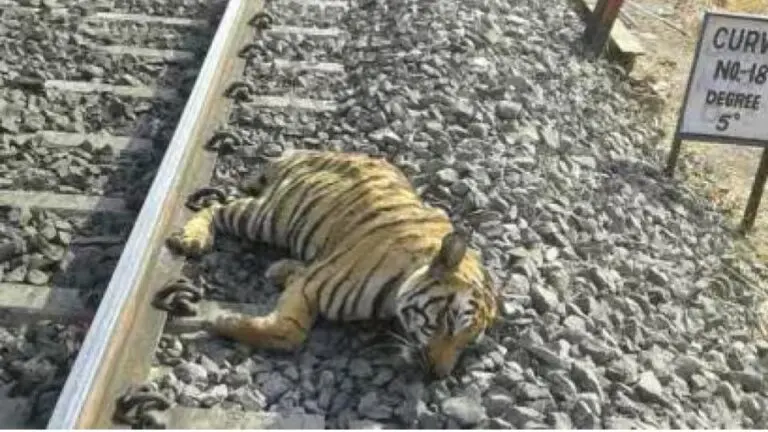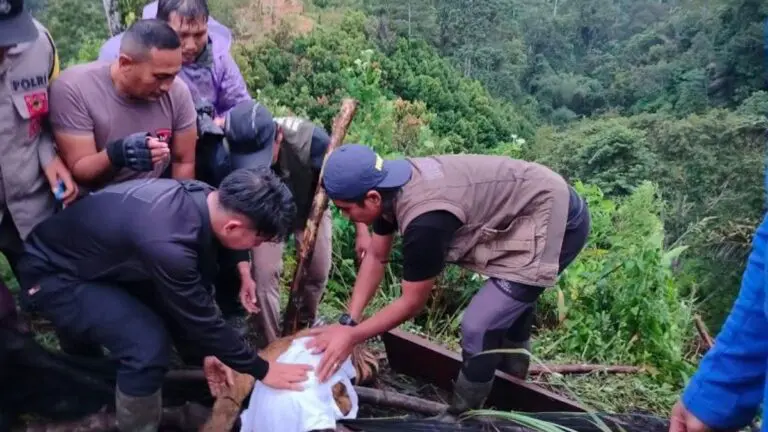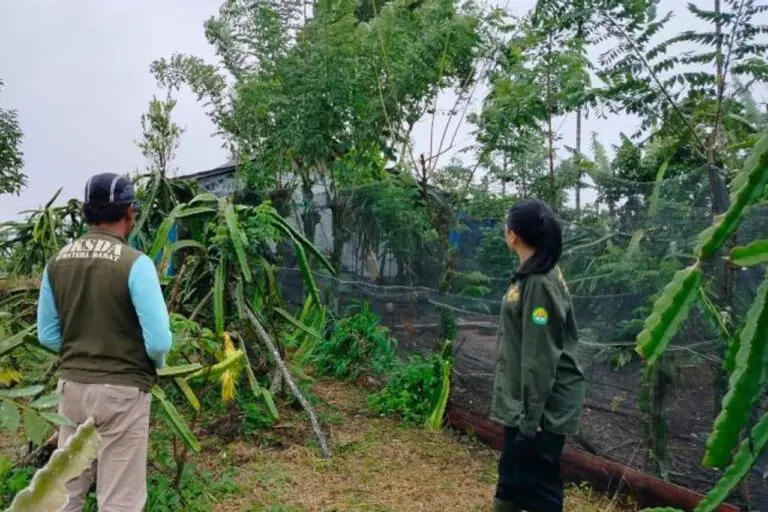
Every year between October and January, Adilabad becomes a corridor of risk. Tigers leave the Thippeshwar, Tadoba-Andhari, and Kanhargaon reserves in Maharashtra, crossing into Telangana’s forests in search of mates. This is not migration by choice — it is desperation. The shrinking forests of central India are forcing tigers to roam hundreds of kilometres for partners, turning mating into a life-threatening journey. As reported by Deccan Chronicle, officials have recorded several tigers moving through Adilabad this season, each one shadowed by danger.
The peril of mating corridors
The problem is not the instinct to mate — it is the absence of safe passage. What should be a biological rhythm has become an annual crisis. Forest patches across Telangana and Maharashtra are now separated by farms, villages, and roads. Tigers following pheromone trails or distant roars must pass through human territory to find partners. Every crossing brings threats: electrified fences, snares, poisoned livestock, and fear-fueled retaliation.
Last season, a female known as K8 was skinned near Yellur village. Another tiger, Johny, crossed into Adilabad during mating season, killed two people after being provoked, and was later captured and confined in Chandrapur. Both stories expose a conservation system built to count tigers, not to connect them. In a healthy landscape, these animals would meet within overlapping ranges, not across borders drawn by human agriculture.
Surveillance without connection
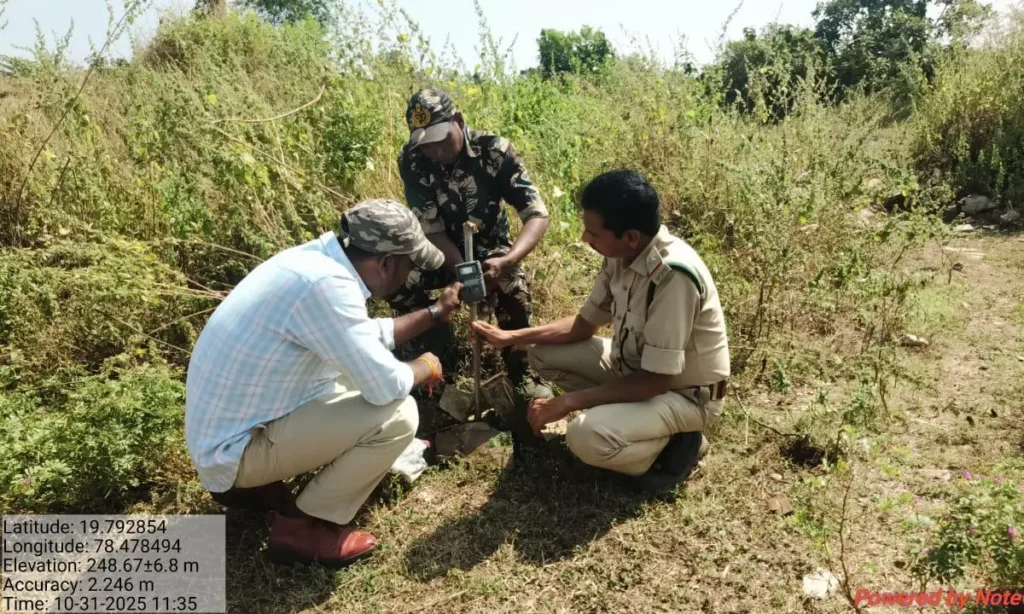
Forest departments have grown skilled at surveillance. Officers in Adilabad track tigers with camera traps, remove illegal fencing, and warn farmers. Each movement is mapped, each encounter managed. Yet the question remains — where are these mating animals supposed to go? Without legally protected corridors, each mating season becomes an emergency response. The very success of tiger recovery in reserves is now producing conflict at their edges. When space runs out, biology collides with boundaries.
To prevent human–tiger conflict, forest officers have increased awareness campaigns in villages. Farmers are told to remain alert during cotton harvest, avoid grazing near forests, and report sightings responsibly. These measures are vital, but they remain reactive. Real conservation lies not in tracking individual tigers but in rebuilding the ecological bridges that let them find each other naturally.
The loneliness of a fragmented landscape
Tigers like the male nicknamed Arrow Head, recently spotted near Boath, represent resilience — an animal still following its instincts despite our grids and fences. But this resilience is finite. Every disrupted mating attempt weakens the genetic health of future generations. Isolated populations breed within shrinking circles, risking inbreeding and disease. Without corridors, the tiger’s roar fades into pockets of silence, one reserve at a time.
The tragedy of Adilabad’s mating season is not conflict; it is fragmentation. Tigers are not wandering into danger — danger has been built into their path. Until India treats connectivity as conservation, not convenience, each love season will return as another survival test. The call of a mate, once the sound of continuity, has become an echo against the walls we built around the wild.
Conservation practices that matter
The officers in Adilabad are doing what they can: tracking, warning, educating. But their work needs structural reinforcement — formal corridors, habitat restoration, and synchronized cross-border policy. This is the essence of conservation practices: not merely saving animals from crisis, but preventing the crises themselves. Protecting the biological need to mate is as essential as preventing poaching. Without that, the tiger’s endurance becomes sterile heroism — survival without future.
Real conservation connects, not confines. The tiger’s instinct to move is not a threat; it is proof that life still tries to persist through the fractures of our making. If Adilabad continues to be a crossing ground without continuity, India’s greatest predator may one day roam only within memory — its search for a mate replaced by silence in the cotton fields.
Source: Deccan Chronicle, India
Photo: Deccan Chronicle, India