A transformation rooted in skill, not sentiment
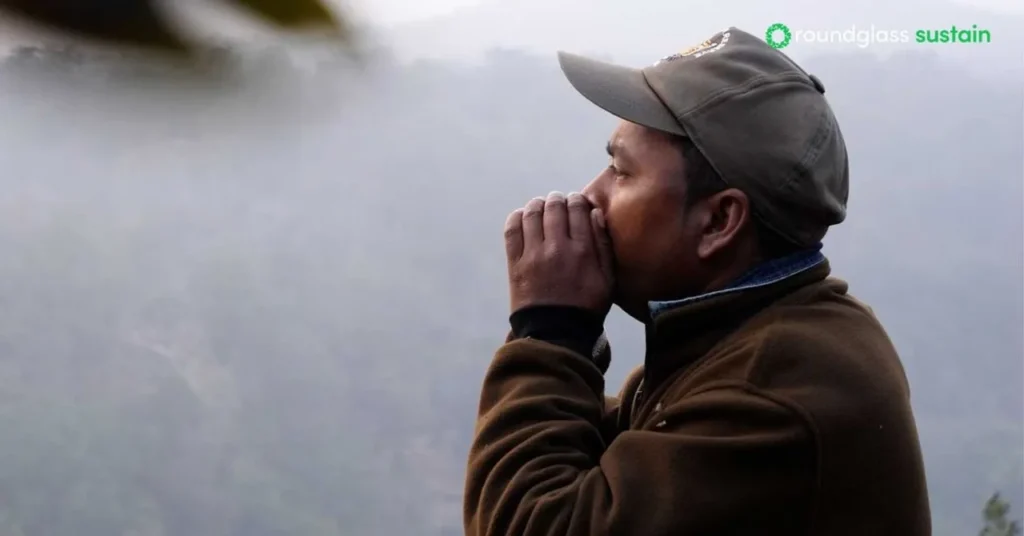
The Pardhi community of Panna has rediscovered a form of kindness that has nothing to do with romantic conservation slogans. Their shift from hunters to protectors is grounded in knowledge, survival and responsibility. For generations, the Pardhi tracked wildlife with unmatched precision, using whistles, mimicry and deep ecological memory. These abilities once served poachers and colonial hunters, but today they shape the revival of a landscape that nearly collapsed.
Their transformation reflects what effective conservation practices demand: communities with authentic forest intelligence becoming part of protection rather than exclusion. As reported by The Better India, animals still respond to Pardhi calls, proof that the forest carries memories across generations. The difference now is intention. Instead of luring animals into traps, they use those skills to keep wildlife safe. In Panna, kindness is not softness. It is discipline, responsibility and the willingness to turn inherited knowledge toward protection rather than exploitation.
Collapse forced a choice about identity and future
Panna’s crisis did not begin with the Pardhi. It began with years of ignored warnings, political hesitation and administrative failure. By 2009, the reserve finally admitted the truth: there were no tigers left. This collapse pushed the Pardhi community into an impossible corner. Hunting was criminalised, the forest was empty and accusations flew in every direction. But blame does not rebuild ecosystems. It only hardens divisions.
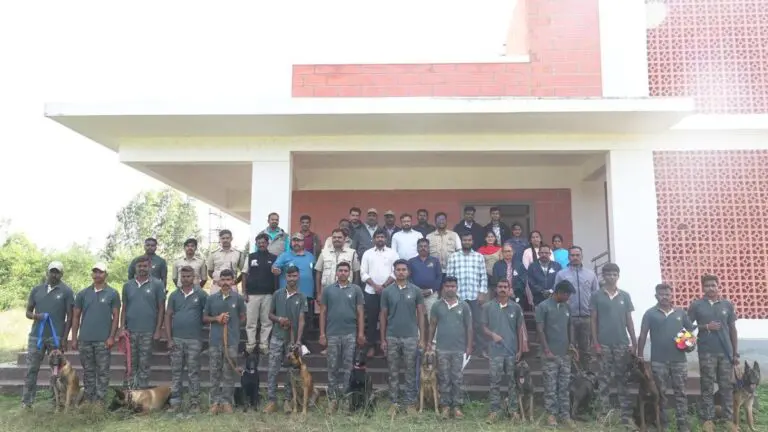
The Pardhi faced a choice: disappear into illegality or reshape their identity. Conservationists recognised that criminalising an entire community would only drive valuable skills underground. Integration, training and recognition created a pathway out of dependence on hunting. Youth were trained as guides and trackers, women revived traditional crafts, and families gained stability outside the hunting economy. Kindness emerged here as a strategic act—choosing cooperation over conflict and recognising that survival depended on restoring the forest rather than exploiting it.
Reintroduction succeeded because people and tigers were linked
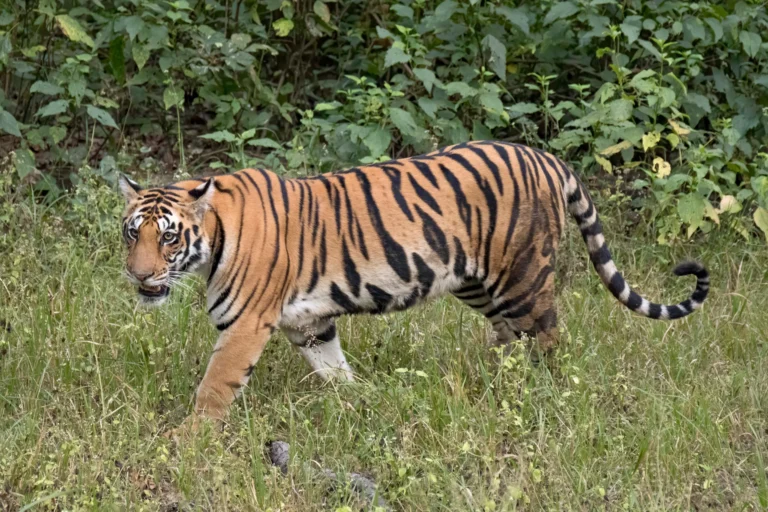
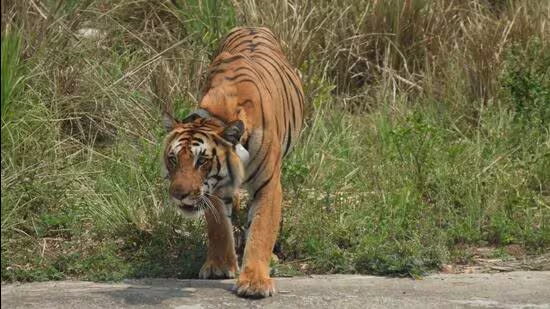
Panna’s tiger reintroduction programme succeeded not because tigers were moved on paper, but because leadership, science and community knowledge aligned at the right moment. Under director R. Sreenivasa Murthy, tigers were brought from Bandhavgarh, Kanha and Pench into a reserve many believed could never recover. Tracking them across rugged terrain required constant vigilance, creative methods and long days in the field. Rangers followed pugmarks, listened for cues and even used pheromone trails to locate a wandering male.
At the same time, organisations like Last Wilderness Foundation worked directly with the Pardhi to shift their relationship with the forest. Training, resettlement and new livelihoods created a pathway out of dependence on hunting. Youth learned eco-tourism and guiding. Women used traditional skills for sustainable crafts. As The Better India reported, this combined effort turned a zero-tiger reserve into one with established breeding again. Kindness meant recognising that tiger recovery cannot happen without human recovery.
Kindness as a long-term strategy for tiger survival
Today, Panna is often cited as a conservation success story, but the lesson most often ignored is that kindness is not decorative—it is strategic. It requires governments to stop treating communities like the Pardhi as convenient scapegoats. It requires consistent support, stable policies and a refusal to bow to commercial and political pressures that still threaten tiger landscapes across India.
True kindness toward tigers means ensuring that people who once relied on hunting are not pushed back toward it by poverty, neglect or broken promises. It also means acknowledging that communities with complex histories in the forest can become its most effective protectors when given respect and opportunity. The Pardhi story is not a redemption arc. It is a demonstration that conservation works when power structures choose cooperation over control. For tigers, kindness must remain a strategy rooted in responsibility, not sentiment. In Panna, it brought life back to a land that had been written off.
Source: The Better India, India
Photo: The Better India, India