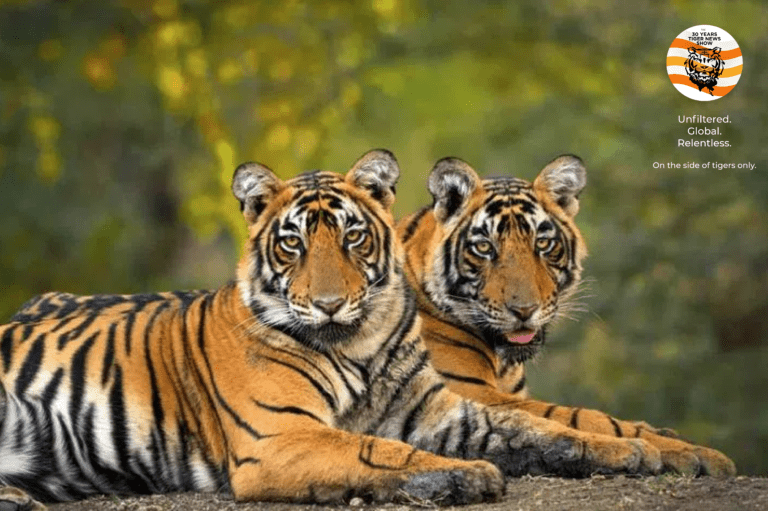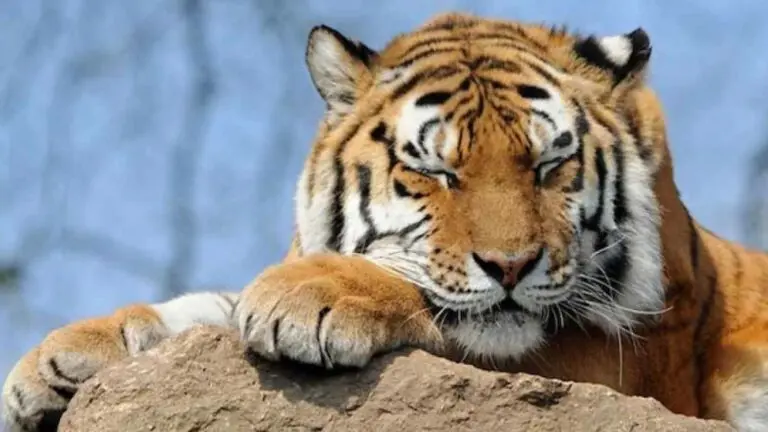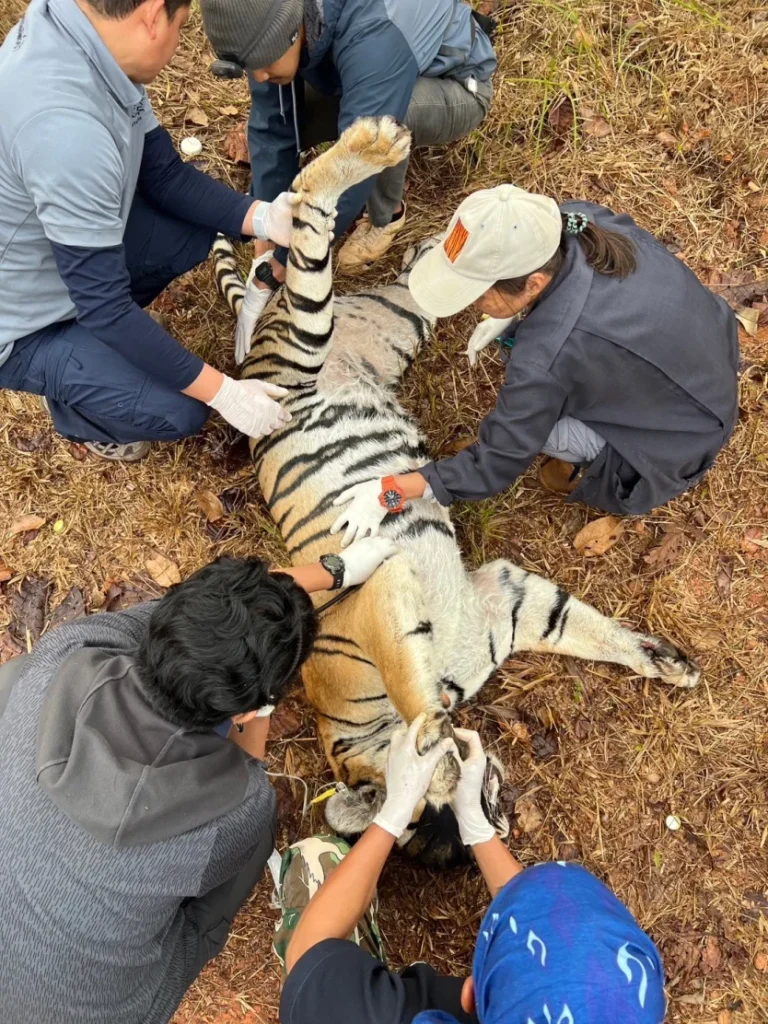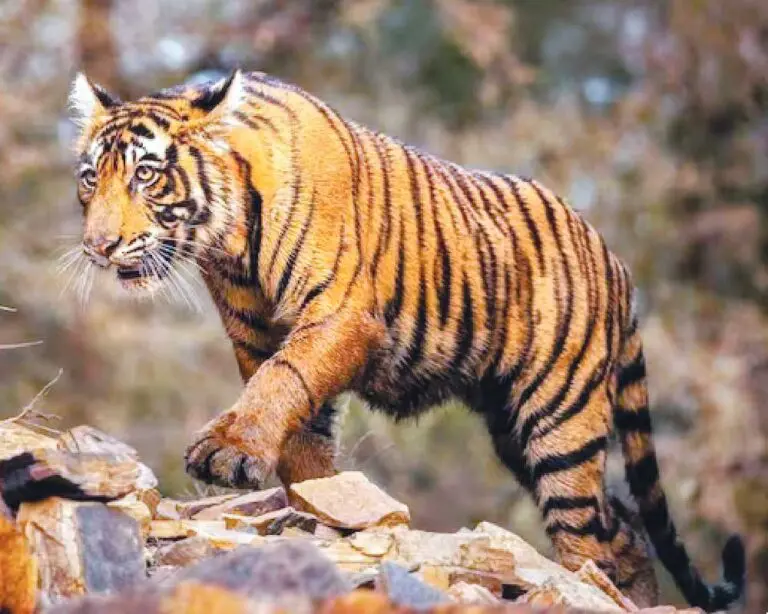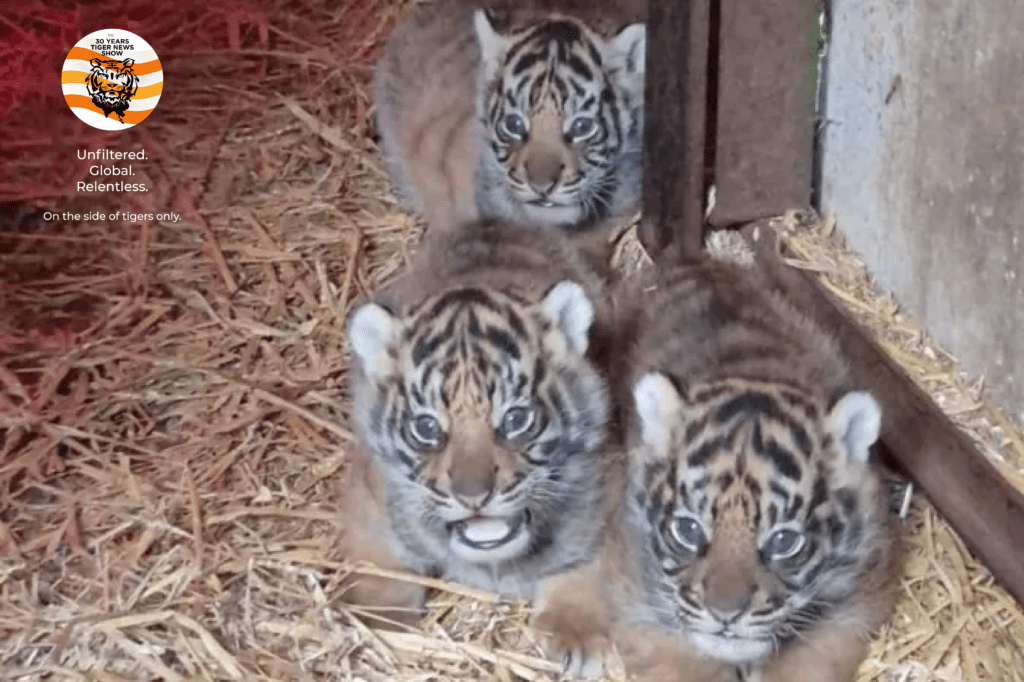
Howletts Wild Animal Park has announced four captive Sumatran tiger cubs as a “historic conservation milestone,” as reported by BBC, which is exactly the kind of phrase that should make tiger conservation stop and stare. Historic? Conservation? Milestone? Four cubs born behind barriers in Kent are not a forest recovery, not habitat protection, not anti-poaching enforcement, and not a restored corridor in Sumatra. They are four more critically endangered tigers born into captivity while fewer than 400 remain in the wild, where the species is actually disappearing under habitat destruction, poaching, palm oil pressure and human greed.
The park says the cubs are the first Sumatran tigers born at the site and describes the birth as hugely significant for the future of the species. Howletts Wild Animal Park can celebrate its own breeding record if it wants, but the future of Sumatran tigers is not decided in a den prepared for public relations. It is decided in Sumatra’s forests, where protected habitat is still being lost, prey is pressured, and trafficking networks keep value attached to tiger bodies. Captive birth is not automatically conservation. Too often, it is captivity reproducing itself while the public is asked to applaud.
Howletts Wild Animal Park Is Not Sumatra
The article describes the cubs as healthy, fluffy and growing well. That language is built to soften the cage. It invites readers to feel warmth before asking hard questions. Where will these animals live as adults? What wild habitat will they protect? Which forest corridor will their birth restore? Which poacher will be stopped because four cubs were born in Britain? Howletts Wild Animal Park benefits from the emotional power of a species being destroyed elsewhere, then turns that destruction into a local success story. That is not a milestone. It is marketing with stripes.
The mother is described through personality language: independent, cheeky, inquisitive, calm, attentive and content. The father is described as missing her company while they are separated during the early weeks. This is familiar captivity theatre. Individual charm replaces the political reality of keeping solitary apex predators inside human-managed space. Sumatran tigers are not ambassadors, family content or breeding headlines. They are forest animals whose survival depends on land, law and freedom. Howletts Wild Animal Park cannot turn enclosure management into wild recovery by giving captivity a sentimental voice.
A Historic Setback, Not A Milestone
Calling this a “historic conservation milestone” is not harmless exaggeration. It teaches the public that the species is being saved when the real crisis remains far away, expensive and politically inconvenient. It lets zoos and animal parks stand near extinction and harvest moral credit from it. The same old formula appears: critically endangered animal, captive birth, soft cub images, conservation language, public affection, institutional prestige. Meanwhile, the wild population remains below 400 and the threats in Indonesia are not solved by another captive litter abroad. Howletts Wild Animal Park should not confuse reproduction with rescue.
There is a brutal difference between breeding tigers and saving tigers. Saving tigers means protecting forests from plantations, stopping poaching, cutting demand for skins, teeth and bones, defending prey, funding patrols, supporting communities and keeping corridors alive. Breeding tigers in captivity means producing more captive tigers. Sometimes institutions claim genetic insurance, but insurance that never returns to the forest becomes an exhibit pipeline. If there is no credible, transparent, habitat-linked path to wild recovery, the word conservation becomes a costume. Howletts Wild Animal Park is wearing that costume loudly.
A real milestone would be a protected Sumatran forest block secured from destruction. A real milestone would be poaching networks dismantled. A real milestone would be palm oil expansion stopped where tiger habitat still survives. A real milestone would be wild cubs growing in Sumatra without snares, bullets, bulldozers or tourist fences. Four captive cubs in Britain may be a breeding event, but calling it historic conservation is the exact perception problem exposed by captive tiger cruelty. Tigers do not need applause for cages. They need humans to stop mistaking cages for survival.