A zoo in Henan has found its next attraction, and it’s not an animal—it’s a job posting for a feeder. A wildlife park in Luoyang, Central China, announced it was hiring a “driver to feed free-ranging animals—including tigers,” offering a monthly salary of 50,000 yuan (about US$ 7,000). Within moments, thousands applied. The listing went viral for its absurdity: an opportunity to risk your life for fame while keeping predators captive for profit. The zoo called it employment. The rest of us should call it what it is—a spectacle wrapped in a paycheck.
The zoo as stage, not sanctuary
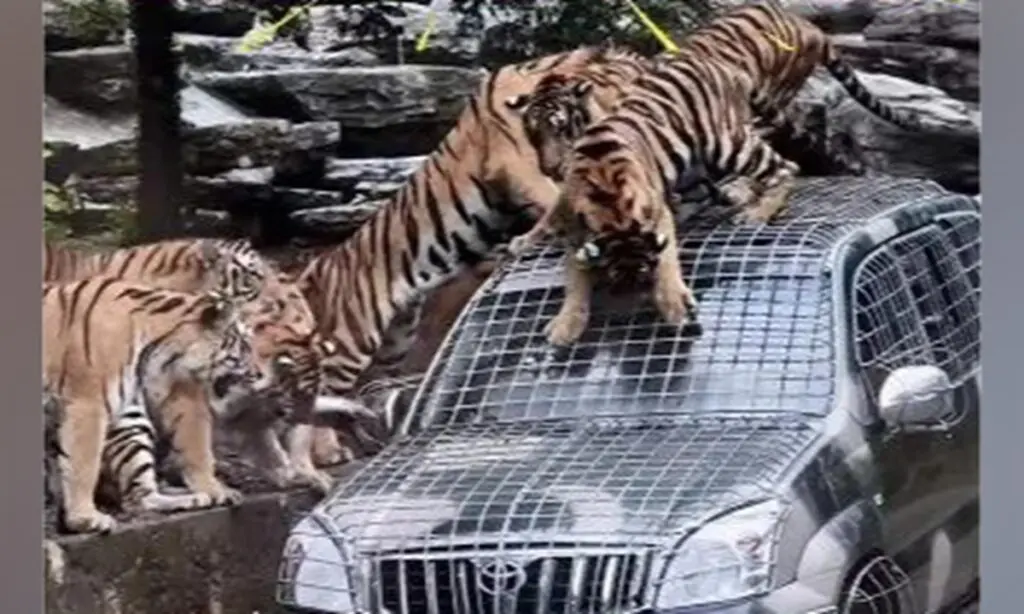
According to the Global Times, the “successful applicant” will drive a feeding truck, open doors, and distribute food to tigers and other confined animals. Courage, they said, is required. It’s a curious word choice—one usually reserved for soldiers, not for those keeping apex predators entertained. During peak tourist hours, the feeder must also distribute feed to ducks, suggesting that this isn’t about animal care but crowd choreography.
The idea of “free-ranging tigers” within a zoo enclosure is itself a contradiction: an animal can’t be both free and displayed. What Luoyang offers is neither safety nor conservation, This feeder job is theatre, with blood just beneath the glass.
Courage for sale
The viral enthusiasm says as much about the public as it does about the institution. Two thousand people applied by noon the next day, many calling it their “dream job.” A generation raised on viral danger now sees feeding a tiger through a cage as adventure, not cruelty. The zoo calls this marketing genius; it is in truth a mirror held up to desensitised humanity. Paying someone to risk death daily in an artificial habitat exposes the poverty of modern imagination—thrill in place of empathy, clicks instead of reform. No real conservationist would design a job that glorifies captivity.
The economics of cruelty
Offering a US$ 7,000 salary is not generosity—it’s bait. The zoo knows that danger sells. Visitors will come to watch a man in a truck hand meat to tigers, filming every second as proof of proximity to power. Behind that spectacle is an industry running on psychological manipulation.
These hese institutions survive by manufacturing moments of staged intimacy—feeding sessions, photo ops, baby-animal handling—all to disguise what captivity really is: extraction of emotion for profit. The feeder isn’t being hired to nourish tigers; he’s being hired to feed curiosity.
When courage replaces compassion
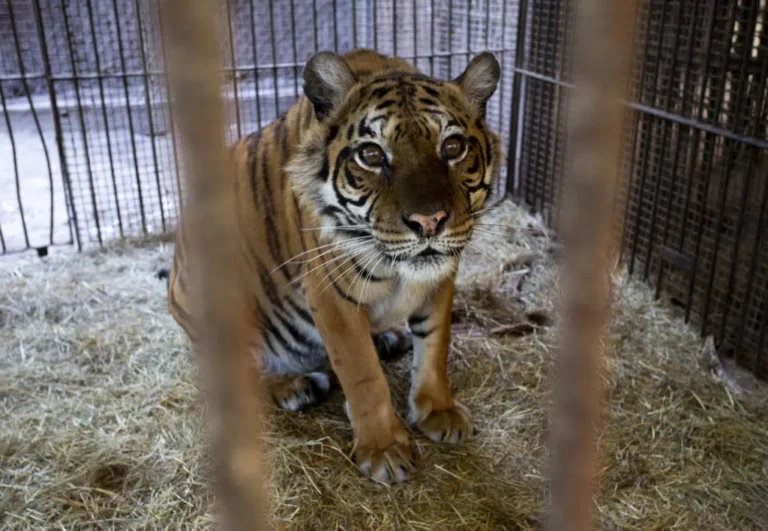
The job posting demanded “five years of driving experience and courage.” Not knowledge of animal behaviour, welfare, or ecology—just the nerve to face a tiger through steel bars. That is the tragedy of our time: courage has been divorced from compassion. True bravery would mean questioning why a tiger, born to roam a hundred square kilometres, must depend on a man with a bucket for dinner.
Every feeding truck rolling into that compound is a moving confession of moral failure. The zoo’s viral fame doesn’t mark innovation—it marks decay, proof that spectacle has replaced stewardship.
A nation of watchers
China has some of the world’s most advanced conservation research, yet its commercial zoos keep expanding, fuelled by social media trends. Each viral post about tiger feeding or cub petting drives revenue, not reform. The Henan park will use its global attention as a marketing milestone, proving once again that cruelty monetised becomes acceptable. But every view is complicity. The world’s fascination with this feeder job will be counted as success inside boardrooms, while the tigers remain unseen behind fences that never open.
The illusion of “care”
The zoo claims to promote wildlife awareness by letting people witness feeding “up close.” But closeness without context is exploitation. Seeing a tiger eat does not teach ecology; it teaches dominance. It tells children that wildness exists for amusement, that animals are props waiting for paychecks. No tiger ever needed a driver, nor a feeder. What they need are forests, corridors, and silence—none of which can be monetised or filmed for a viral clip.
Tigers don’t need feeders—humans do
What Henan has really advertised is not a job but a confession: that we have become a species that must be entertained by captivity to feel alive. The zoo’s success depends on the continuing extinction of awe. The tiger’s roar has been replaced by the click of a camera, the sound of applause when the feeder steps down unharmed. There will always be volunteers for fame, but no one volunteers for dignity on behalf of the tiger. The only feeding that should happen is the restoration of wild territories—the real job no one is hiring for.
This isn’t innovation. A US$ 7,000 salary for a feeder that feeds caged tigers is a price tag on conscience. And when a society applauds it, the bars are not around the animals anymore—they’re around us.
Source: Global Times, China
Photo: Global Times, China