Introduction – What We Must Give Up
Saving tigers will never be a question of technology or science alone—it is a question of behavior. The planet has enough tools, money, and knowledge to protect every remaining big cat, but just not enough humility. Forests vanish because humans refuse limits; rivers shrink because growth has become a religion. The tiger stands at the edge of this worship, both victim and proof of our excess.
To secure its future, humanity must sacrifice a bit of its convenience and belief—something our species resists more than extinction itself.
The first demand of real behavioral change is honesty. We cannot protect what we consume. Every new plantation, road, or mine is a confession that comfort matters more than coexistence. Every superstition that rejects birth control adds millions of new claimants to already collapsing landscapes. Each company that uses a tiger to sell beer, gasoline, or clothes deepens the lie that admiration equals protection. Media that mythologize the animal into fantasy make apathy acceptable.
Behavioral change begins where entitlement ends. It asks societies to confront their own appetites: to stop measuring prosperity in hectares conquered or followers gained, to accept fewer children, fewer products, fewer illusions. The tiger’s survival is not a symbol of ecological balance—it is a referendum on human restraint.
Unless humanity learns to live with less, the most magnificent predator on Earth will die proving we could not control ourselves.
The Cost of Endless Growth
Every species pays for human expansion, but none more visibly than the tiger. Its forests have been sliced into grids of ambition—new cities, mines, and farmlands—all justified by the myth of progress. Economists call it development; ecologists call it collapse.

Across Asia, governments compete to announce record GDP while ignoring the debt measured in rivers drained and corridors lost. The tiger’s disappearance is not an accident. It is a line item in every national budget that treats wilderness as wasteland until monetized. The logic of perpetual growth demands sacrifice, and nature always volunteers first.
Behavioral change begins by refusing that arithmetic. It asks societies to question whether more is truly better, whether another highway through a reserve or another factory near a forest is worth a silent landscape. Yet humans mistake movement for improvement. As bulldozers clear buffer zones, planners speak of modernization while rangers mourn the sound of engines replacing roars.
The perception of progress blinds policymakers to its cost.
There are countries where populations have already stabilized, proving that prosperity doesn’t require expansion. But those examples rarely inspire leaders addicted to short-term approval. Growth buys votes; restraint earns criticism. Until we reward governments for preservation rather than extraction, tigers will remain collateral. Real behavioral change means redefining success—from what we build to what we choose to leave untouched. Less is more.
The tiger’s survival is the measure of whether humanity can grow wiser instead of simply bigger.
Faith, Fertility, and the Myth of Destiny
In many societies, religion still defines fertility as sacred duty. To limit birth is to question divine design, and questioning is forbidden as the supreme one knows what’s right. Yet this devotion has become an ecological curse. The belief that every life is preordained collides with the reality that every new person requires space, water, housing, transportation and food that no longer exist in abundance. The forests that once belonged to tigers now feed the myth of destiny. Shrines multiply where breeding grounds once thrived. Each cradle becomes another small conquest, celebrated as growth, never as strain.
Behavioral change must confront this contradiction between reverence and responsibility. Faith has inspired compassion, restraint, and courage across centuries; it can also inspire balance. Religious institutions possess immense influence over family planning, consumption, and environmental ethics. If temples, churches, and mosques preached stewardship with the same fervor they preach fertility, the future could shift. Yet too many leaders choose silence. They fear losing believers more than losing biodiversity and thus life itself.

The result is moral hypocrisy: we mourn species extinction while glorifying unrestrained human multiplication. The tiger’s vanishing is not what you can call destiny. It is more one of ignorant design, written by demographics. No miracle will restore its habitat while the human population expands by millions each month. Behavioral change must therefore become a spiritual practice: to see moderation not as denial but as devotion, to protect creation by limiting creation.
Until faith accepts that survival requires fewer followers, not more, prayer will remain louder than action, and forests will continue to shrink beneath devotion’s weight.
The Corporate Appetite for Power
Across the world, companies have learned that predators sell. Tigers leap across billboards for energy drinks, roar on credit cards, and guard the hoods of luxury cars. Their image promises strength, reliability, and dominance—the same traits every corporation wants consumers to associate with its brand. More than ten thousand businesses use tiger imagery, yet almost none invest in the species’ protection. The contradiction is astonishing: the very symbol of independence has been captured by marketing. Each advertisement transforms wild power into product loyalty.
Behavioral change in the corporate world would mean more than greenwashing; it would mean restraint—an idea shareholders rarely applaud.
Corporate greed is not subtle. Industries clearing forest for palm oil, mining, or infrastructure sponsor conservation campaigns to sanitize their image. Some even fund zoo projects under the banner of awareness, disguising captivity as compassion. Governments mirror this hypocrisy. They rely on ever-expanding populations because people are policy: more citizens mean more labor, production, and tax income. Growth is their business model, so restraint is political suicide. Behavioral change must therefore confront not only corporate appetites but the state’s addiction to demographic expansion.
True accountability would tax exploitation and reward restoration, but both governments and companies fear the same thing—slower profit. Consumers could force the shift by rejecting brands that trade in tiger imagery without responsibility, yet comfort breeds apathy. Until the cycle of greed breaks, and behavioral change is rejected, the tiger will remain capitalism’s most profitable captive.
The Media’s Addiction to Myth
The media’s love affair with the tiger is older than conservation itself. From colonial newspapers describing “man-eaters” to glossy documentaries shot in perfect morning light, the animal has been edited into a story that flatters human imagination. Reporters chase emotion, not accuracy. The tiger is either savior or killer—never neighbor. Complexity doesn’t sell.
Even in the digital age, algorithms reward sensationalism; tragedy and triumph outperform truth. Each headline deepens the myth until perception becomes policy. Governments quote television shows to justify success. NGOs recycle the same feel-good footage to secure funding. The audience, fed on spectacle, stops asking questions.

Behavioral change within journalism means resisting the comfort of cliché. It demands that editors value depth over drama, that filmmakers show the boredom of patrolling and the grief of failure as part of the same story as beauty. The camera must not only linger on the tiger’s eyes but also on the machines erasing its forest. Real storytelling does not need music to matter. Yet the current media model is built on distraction, not diligence.
When perception replaces evidence, the tiger becomes entertainment, and entertainment becomes amnesia. What should awaken compassion instead sedates it. Journalists and influencers alike must learn that showing the truth—unlit, unfiltered, unheroic—is the most radical act left. Only then can behavioral change in storytelling match the courage demanded in the field. Without that shift in behavioral change, the media will keep filming extinction as though it were art.
The Human Cost of Comfort
Human comfort is the most underestimated driver of extinction. Every modern convenience—electricity, meat, fuel, fabric—arrives with a footprint shaped like a tiger’s pawprint erased. We pave, farm, and consume to maintain the illusion of stability while the forests collapse under our appetites. A single air conditioner, a new road, another vacation flight: each draws invisible lines that divide the tiger’s range. Comfort is celebrated as progress, but it is addiction disguised as civilization.
True behavioral change begins with discomfort—with accepting that living gently may mean living less conveniently. This should be easy if one looks at the next photograph of a famish tiger in a Thai zoo, made by Amy Jones. Photo credits: Natural History Museum (UK) – Amy Jones / Wildlife Friends Foundation Thailand. This tiger has lived its whole in captivity, and obviously not in a comfortable or convenient way. Without behavioral change on the human side, this will continue to go on.

The global population’s expectations rise faster than its empathy. People demand energy on demand, food out of season, and digital speed without physical consequence. But every luxury requires land, and every hectare stolen from the tiger feeds a human craving. Governments encourage it because comfort buys compliance.
Populations that consume stay quiet; consumers who struggle rebel. More goods mean more jobs, more tax, more votes. Policy becomes an instrument of pleasure management.
Behavioral change therefore asks for a moral reckoning: what are we willing to surrender to let the wild breathe again? Can cities dim their lights at night to let migrations resume, can nations curb meat and fuel consumption, can individuals choose repair over replacement? Each choice tests sincerity. The tiger’s survival will not depend on new inventions but on fewer indulgences. Comfort must finally become a question of conscience, not convenience.
Population, Politics, and the Illusion of Necessity
Every election season, politicians promise prosperity through expansion: more houses, more jobs, more infrastructure. None ask where the space will come from. None asks for behavioral change. Population growth has become both their shield and their sales pitch. More people mean more production, consumption, and tax revenue—a perpetual motion machine that sustains political power. Governments treat fertility as economic strategy, ignoring that every new settlement tightens the noose around the tiger’s remaining range. What they call national strength is, in ecological terms, depletion disguised as destiny.
Behavioral change must begin with rejecting the illusion that more citizens automatically create better nations. Population growth once brought resilience; now it guarantees scarcity. Yet leaders celebrate it because it secures markets and votes. The tiger pays for that arithmetic. Its forest becomes farmland, its silence becomes statistics. When population policy is driven by profit rather than prudence, extinction becomes infrastructure.
There are models of balance: countries that stabilized numbers through education, equality, and accessible healthcare. Their economies adapted; their ecosystems recovered. But those successes are rarely studied by developing powers obsessed with scale. They chase factories over forests, arguing that poverty justifies destruction. In truth, greed does.
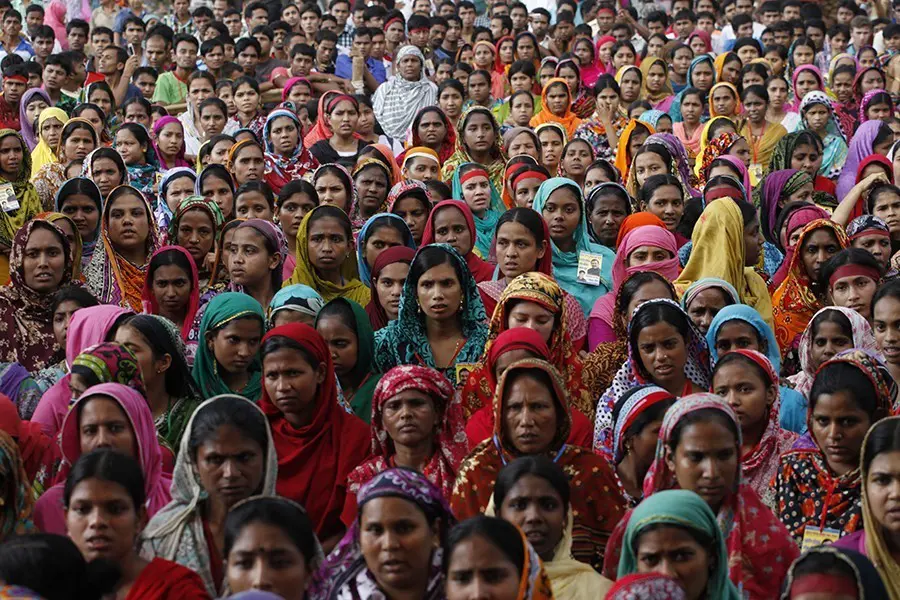
Behavioral change means redefining prosperity as equilibrium, not expansion. Without that shift, the planet’s carrying capacity will break beneath ambition. The tiger will not vanish from neglect but from arithmetic, erased by the math of human desire.
The Sacred and the Real
Humanity has always sought meaning in nature, but reverence without responsibility becomes ritualized hypocrisy. In parts of Asia, the tiger is worshipped as a guardian spirit, its images painted on temple walls, its legends told to children. Yet outside those temples, forests burn to make way for crops and real estate. The same devotees who bow to the animal’s spirit ignore its body. Faith comforts, but it rarely protects. Real behavioral change demands that reverence translates into restraint.
Without that translation, sacredness becomes an excuse for inaction—proof of purity that costs nothing.
Religion can be a powerful ally if it abandons denial. When priests, imams, and monks frame family planning, consumption, and forest protection as moral duties, communities listen. But too many faith leaders prefer neutrality, fearing controversy more than collapse. So far off from the behavioral change needed. Their silence sanctifies destruction. They forget that every text that speaks of creation also implies guardianship. The tiger’s disappearance would not contradict theology—it would indict it.
True devotion requires sacrifice, not symbolism. Lighting candles cannot replace policy, and prayer cannot repopulate corridors. Behavioral change within belief systems means seeing the divine in survival itself. Protecting a tiger should feel as sacred as any pilgrimage. When spirituality aligns with ecology, faith gains weight again. Until then, the tiger will remain immortal in myth and endangered in reality—a god without a kingdom, and without behavioral change, a prayer without a listener.
Corruption, Compliance, and the Price of Silence
Every tiger lost to poaching or encroachment passes through a chain of permission. Somewhere, a license was forged, a bribe exchanged, a report softened. Corruption thrives because it hides behind formality; it wears the mask of procedure. Forest officers falsify patrol logs to please superiors, politicians promise enforcement while trading timber concessions to allies, and entire departments survive by pretending accountability exists. Behavioral change in governance begins with the courage to dismantle these quiet arrangements that make extinction administratively acceptable.
Corruption is not simply theft—it is policy failure disguised as progress. Roads through reserves, mines approved under “special conditions,” captive-breeding projects converted into tourist attractions: each bears an official stamp. Compliance becomes theatre, meant to satisfy environmental protocols while betraying their spirit. The tiger’s forest is divided by the same bureaucracy sworn to defend it. When rules exist only to be negotiated, survival becomes a matter of price.

Yet the most dangerous corruption is social. It is the silence of those who know and look away—the villagers who hear gunshots, the journalists who self-censor, the citizens who normalize graft as culture. Behavioral change must therefore expand beyond laws to conscience. No nation can protect wildlife if its people have learned to excuse deceit as inevitability. Real reform means refusing complicity, even when it feels futile. Each unreported crime makes the next one easier.
The tiger’s fate is written not just by poachers, but by every shrug that follows. Because each shrug needs to be converted into behavioral change.
Consumption, Class, and the Myth of Entitlement
We live in a culture that measures worth by what we own, not what we preserve. The tiger’s forest shrinks beneath that arithmetic of status. Cities demand timber for furniture, leather for luxury, and exotic landscapes for leisure. Consumption defines class, and class demands display. The wealthy buy silence with carbon offsets and safari selfies; the poor imitate the same habits on cheaper scales. Both drain the same earth. Both scream for behavioral change.
Behavioral change means dismantling the myth that consumption equals success. True prestige would be restraint—the ability to stop before excess becomes extinction.
Every economic ladder encourages the same climb: produce, purchase, repeat. Governments celebrate consumer spending as national strength because it fuels tax revenue and political approval. The result is a planetary Ponzi scheme in which everyone profits from depletion until nothing remains to sell. Tigers become collateral in this performance of prosperity. Their habitat is paved into markets where people trade symbols of the wilderness they destroyed.
To challenge that system, society must redefine aspiration. Luxury must lose its glamour, simplicity must regain its dignity, and advertising must stop confusing desire with happiness. Media that glorify abundance can also glorify balance; it is a choice of narrative, not technology. Behavioral change requires teaching satisfaction before scarcity. The tiger’s disappearance will not be reversed by sympathy but by surrender—of habits, comforts, and illusions that make exploitation look normal.
Entitlement is the quiet engine of extinction. Turning it off with behavioral change is our final test.
Technology, Innovation, and the Limits of Control
Humanity believes it can engineer its way out of every crisis. When forests disappear, satellites are launched; when rivers dry, dams are built; when species vanish, cloning is proposed. The arrogance is consistent: if destruction was technological, redemption must be too. But machines cannot replace morality. Behavioral change, not invention, will decide whether the tiger survives. Technology can monitor, map, and model—but it cannot make humans care. Conservation is a social contract, not a software update.

Innovation has saved lives and revealed truths, yet it also accelerates consumption. Every new device demands minerals, energy, and space—resources carved from the tiger’s last refuges. Data centers now stand where grasslands once stretched. Surveillance drones hover above reserves to deter poachers, but they also normalize intrusion. The same tools that document harm often deepen it. When efficiency becomes virtue, exploitation becomes invisible.
Still, technology can serve integrity if governed by humility. Artificial intelligence can predict poaching patterns, camera networks can expose illegal logging, and satellite imagery can trace corruption. But these tools must work in service of restraint, not replacement. The illusion of control—believing that innovation excuses excess—has led humanity into its current crisis. Behavioral change means using progress to protect boundaries, not erase them.
Until our inventions learn obedience to ethics, the tiger will remain both the subject of our fascination and the casualty of our genius.
Outro – A Future Worth Surrendering For
Saving tigers will never be about adding more—it will be about choosing less. Humanity’s survival has always depended on conquest: more land, more children, more profit, more noise. Yet every victory over nature weakens the ground beneath us. The forests that shelter tigers are the same lungs that steady our own climate, and both are collapsing under the weight of comfort and denial. The time for clever slogans and empty promises has passed.
The question is no longer what can we do for tigers, but what are we willing to give up for them.
Behavioral change is not charity—it is self-preservation. The human population must learn to limit itself, governments must abandon growth as a religion, and corporations must replace extraction with atonement. Media must trade myth for truth, and faith must rediscover humility. The path forward will not be popular, but extinction is not a democratic process. To keep the tiger alive, we must surrender the very instincts that built our empires: greed, fear, vanity, excess.
The sacrifice demanded is immense but necessary. Fewer children, fewer possessions, fewer illusions—but more forest, more silence, more future. The tiger’s fate is not a separate tragedy; it is the mirror of our own. If we cannot change our behavior for the most magnificent predator we have ever admired, we will not change it for ourselves. Survival begins the moment humanity stops expanding and starts listening.
That, finally, is the meaning of coexistence.