IFAW brings forward a positive and determined vision for tiger conservation in Central India, showing that connectivity across this vast landscape can still be restored and protected despite mounting pressures. The region remains one of the most critical strongholds for India’s tigers, and this project demonstrates that coordinated action can keep these ancient routes alive. By combining science, community partnerships, and patient fieldwork, IFAW is helping ensure that tigers continue to move freely through habitats that have supported them for generations.
IFAW Expands Efforts To Protect Vital Movement Routes
Central India spans a network of forests across Madhya Pradesh, Maharashtra, and Chhattisgarh, home to multiple reserves and an exceptional share of India’s tiger population. Historically, tigers crossed this region through continuous habitat, but rapid development has fractured the landscape. Despite these challenges, IFAW approaches the region with optimism, believing that the remaining corridor structures can still be strengthened if work is both strategic and community-focused.
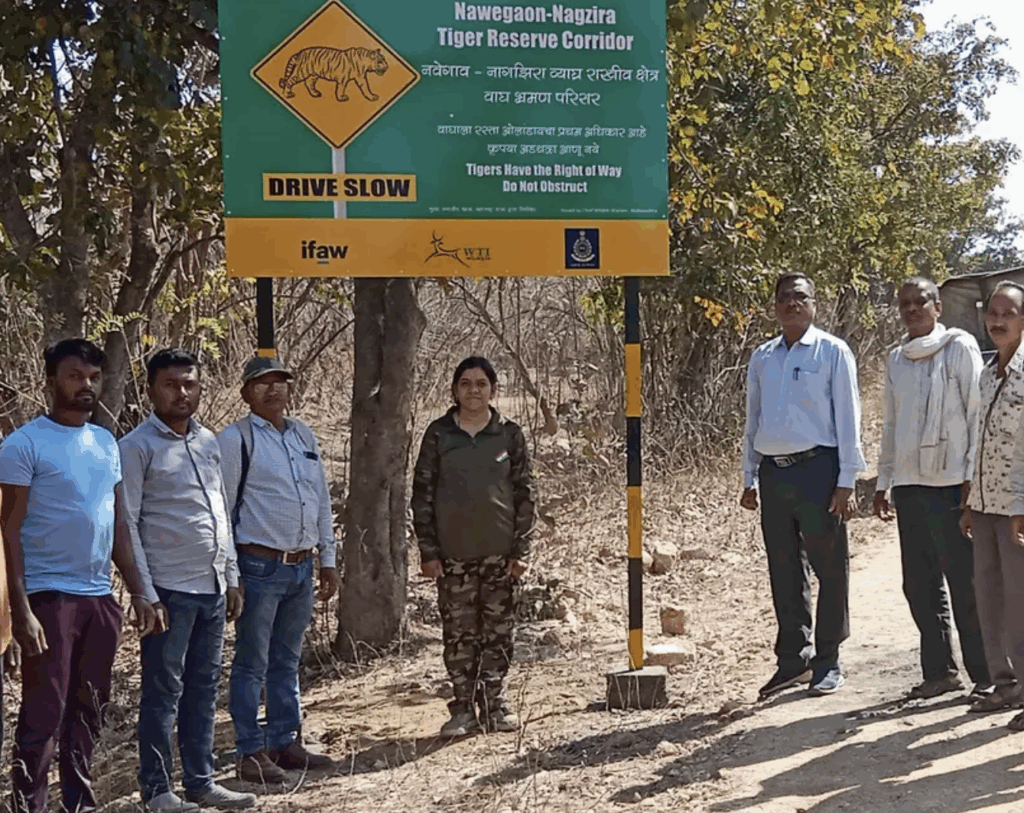
The organisation concentrates on the Vidarbha region—connecting Pench, Tadoba-Andhari, Melghat, Bor, and Nawegaon-Nagzira—and the northern hills linking Bandhavgarh-Sanjay to Guru Ghasidas. These corridors are essential for genetic diversity, dispersal pathways, and population stability. IFAW works across these areas to restore continuity, using field surveys, community engagement, and locally guided interventions that reinforce natural movement routes. This aligns with established corridor conservation practices that support long-term habitat connectivity through science-based management.
The project’s presence across these landscapes shows that tiger conservation can move beyond crisis response. Instead of waiting for declines to trigger action, IFAW prioritises prevention: identifying threats early, supporting collaboration, and keeping the ecological fabric strong enough for tigers to thrive.
Local Partnerships And Training Led By IFAW Improve Protection
Community involvement is a central part of IFAW’s positive approach. People living near forests often carry the burden of human–tiger encounters, yet they also hold a deep understanding of local conditions. By offering support that reduces dependence on forest resources, IFAW encourages communities to participate in protecting corridors rather than seeing them as barriers to development. This shared stewardship strengthens conservation on the ground.
IFAW also enhances the capacity of Forest Department teams who must confront poaching, illegal trapping, and electrocution risks. By providing training on monitoring tools, evidence collection, and modern conservation techniques, the project builds long-term skills that improve the safety of both wildlife and frontline staff. These efforts provide a strong layer of defence for tigers moving between reserves.
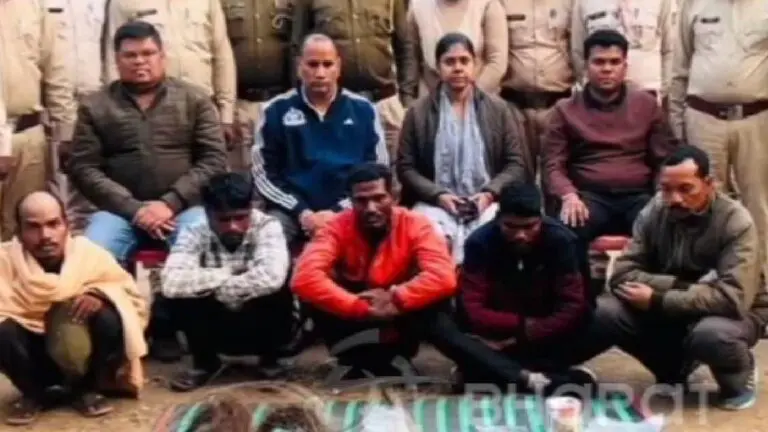
Field teams working with IFAW conduct anti-snare operations, coordinate anti-electrocution drives, and assist authorities with wildlife crime cases. These actions are essential for removing immediate dangers from corridors, ensuring that tigers have safe passage. The progress of these interventions is documented openly, as reported by IFAW, which highlights how closely the organisation works with local agencies.
Green Corridor Champions—community-based groups partnering with the project—add another layer of local leadership. Their involvement strengthens long-term oversight and ensures that corridor protection is not dependent on shifting administrative priorities. This collaboration demonstrates how conservation success grows when communities and organisations work in unison.
A Positive Vision For Central India’s Tiger Future Supported By IFAW
The Central India Tiger Corridor Project reflects a confident and forward-looking belief that the landscape still holds enough integrity to support flourishing tiger populations. By aligning with national conservation strategies, IFAW contributes to a larger vision that places habitat connectivity at the heart of India’s future for tigers. This approach shows that coexistence is achievable when planning, scientific knowledge, and local leadership form the foundation.
Connectivity remains the single most important factor for long-term survival. IFAW’s work to secure routes between reserves supports healthy genetic exchange, reduces isolation, and strengthens resilience across populations. With each strengthened corridor, the landscape becomes safer and more navigable for tigers.
The progress already visible across Central India shows that the future remains open and hopeful. Through steady, collaborative work and a commitment to ecological integrity, IFAW proves that tiger conservation can still succeed even in areas under development pressure. The organisation’s work offers a clear message: with determination, planning, and partnership, Central India can remain a landscape where tigers move freely and securely for generations to come.
Source: IFAW