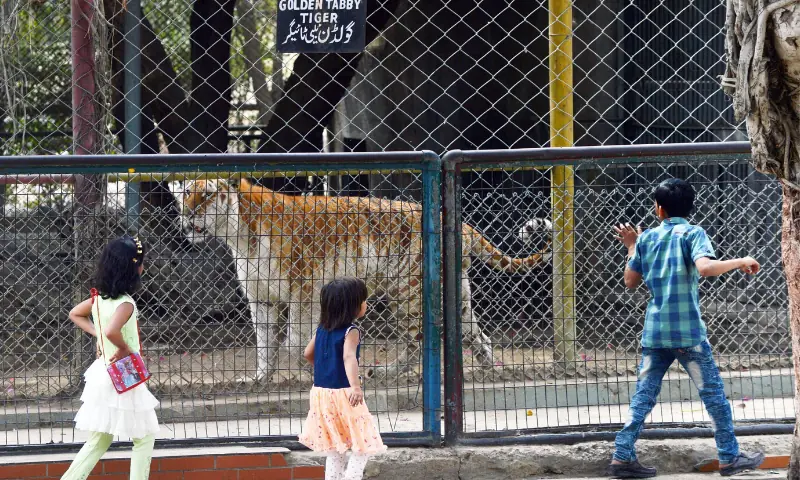
A legal line drawn
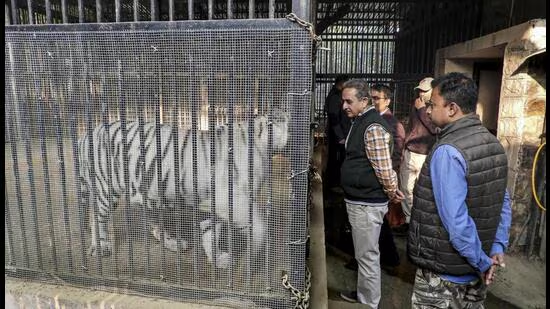
On 9 November 2025 the Sindh High Court in Karachi ordered a province-wide review of the concept of zoos. The case began with a petition for one bear, Rano, but the bench widened it to every captive animal in Sindh. Judges demanded a new inspection committee and asked for long-term measures that could include releasing exotics to their natural habitats. For a nation where cages still define education, this is historic. The order forces Pakistan to face what most societies ignore: captivity is not care. The concept of zoos built for amusement is now under legal cross-examination, and each rusted cage becomes evidence.
From one bear to all captivity
Rano’s removal from Karachi Zoo to Islamabad triggered this turning point. The bench noted that the problem was not a single animal but a system keeping “hundreds for entertainment.” That sentence challenges generations of civic pride built on displays of suffering. As reported by Dawn, officials and activists will now serve together on a committee empowered to visit every facility. Their mandate—to rethink the concept of zoos—links welfare to abolition. For once, the question is not how to improve cages, but why they exist.
Colonial legacy and modern denial
Pakistan’s municipal zoos are colonial relics. Their iron bars and token signs persist because sentiment is cheaper than science. Directors promise repairs, replace a few locks, and call it reform. Yet the concept of zoos remains untouched: animals displayed as property. Even new enclosures mimic the same captivity with thicker glass. Karachi Zoo’s broken medical equipment and inadequate diets are not accidents; they are symptoms of a worldview where empathy ends at the ticket counter. The High Court’s order treats these facilities not as parks but as moral failures requiring judicial remedy.
The global mirror
This decision reaches beyond Pakistan. Across Asia, so-called “modern” zoos borrow language from conservation while breeding boredom. The concept of zoos everywhere is defended as education, yet children learn only hierarchy: that humans own everything behind fences. Tigers, lions, bears—each reduced to metaphor. The internal logic of zoos and capitvity proves otherwise: genuine conservation happens where boundaries dissolve, not where they multiply. When law questions captivity, it restores truth to language long corrupted by tourism.
Systemic inertia
Changing the concept of zoos will collide with budgets and vanity. Karachi’s municipal revenues depend on entry fees; local pride depends on lions behind glass. Governments fear that closure equals loss of culture. Yet the real loss is credibility. Every report claiming educational value masks logistical decay. Animals pacing concrete floors are not ambassadors—they are indictments. The court’s invitation for civil society involvement may finally insert conscience into bureaucracy. Whether that conscience survives political pressure will decide if the judgment becomes a milestone or a memo.
Beyond reform
Reform cannot cleanse captivity. Repainting cages or outsourcing veterinarians only prolongs moral delay. The High Court’s call to reconsider the concept of zoos invites a larger shift: replace spectacle with sanctuaries that prioritise rehabilitation and release. Pakistan can lead by creating protected landscapes rather than decorative prisons. Each species relocated to genuine habitat would transform compassion from performance into policy. Ending public menageries is not anti-culture; it is the culture of maturity.
Lessons for others
Neighbouring countries should watch closely. India, Indonesia, and Thailand host hundreds of municipal zoos running on the same pretence—education through imprisonment. Pakistan’s debate could ignite regional introspection about the concept of zoos and their hidden costs. When the judiciary defines freedom as welfare, it reshapes conservation law itself. This is how structural cruelty begins to end: one courtroom refusing to confuse comfort with conscience.
The verdict ahead
The hearing resumes on 21 November. Between now and then, the committee must expose every facility’s reality. The concept of zoos now stands as defendant, and evidence will speak louder than emotion. If the court orders a phase-out, Pakistan will have written the first legal obituary for captivity in South Asia. Whether governments comply or stall, the message is irreversible: empathy cannot live in a cage.
Source: Dawn, Pakistan.
Photo: Dawn, Pakistan.