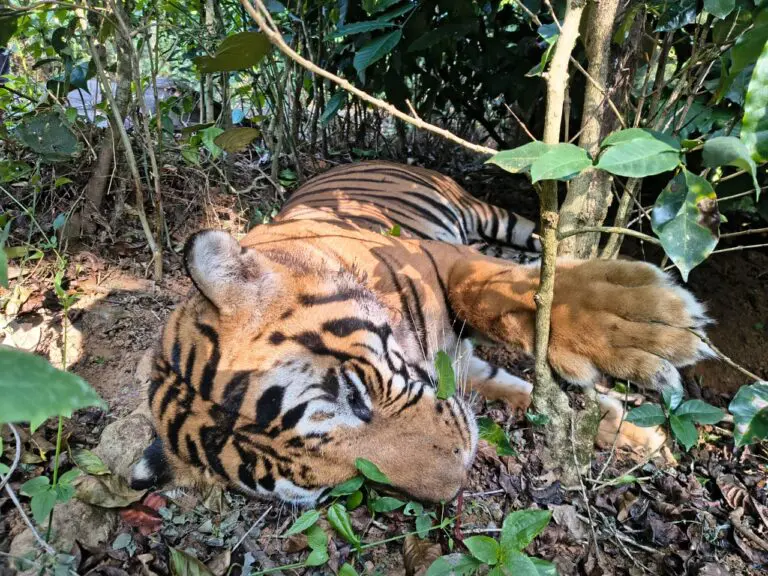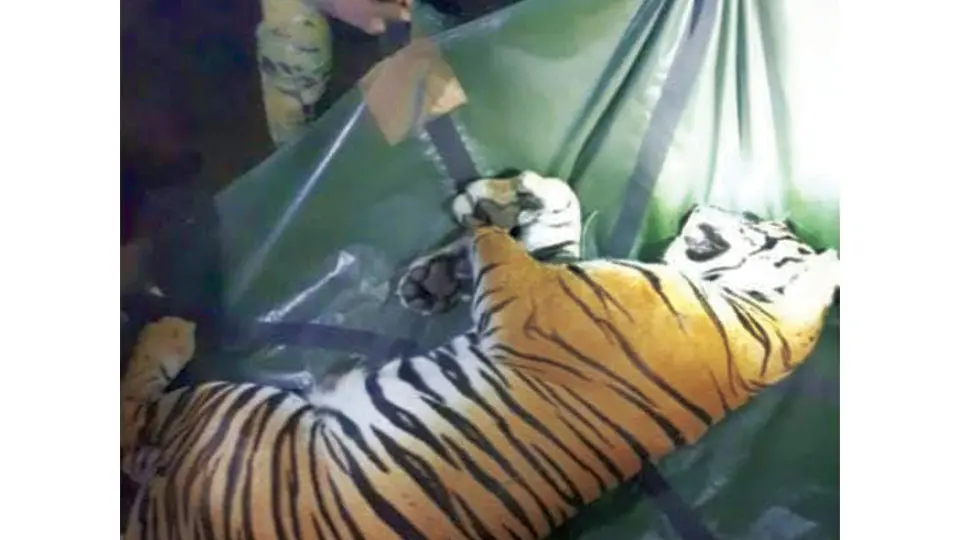
The Karnataka forest department’s combing operations have turned into one of the largest tiger-capture drives in the state’s history. Since mid-October, ten tigers — including cubs — have been trapped along the Bandipur–Nagarahole landscape, a corridor now defined more by fear than coexistence. Each rescue reveals the same story: a pattern of panic, poor planning, and lost opportunity to prevent escalation.
The New Tigress from the Buffer
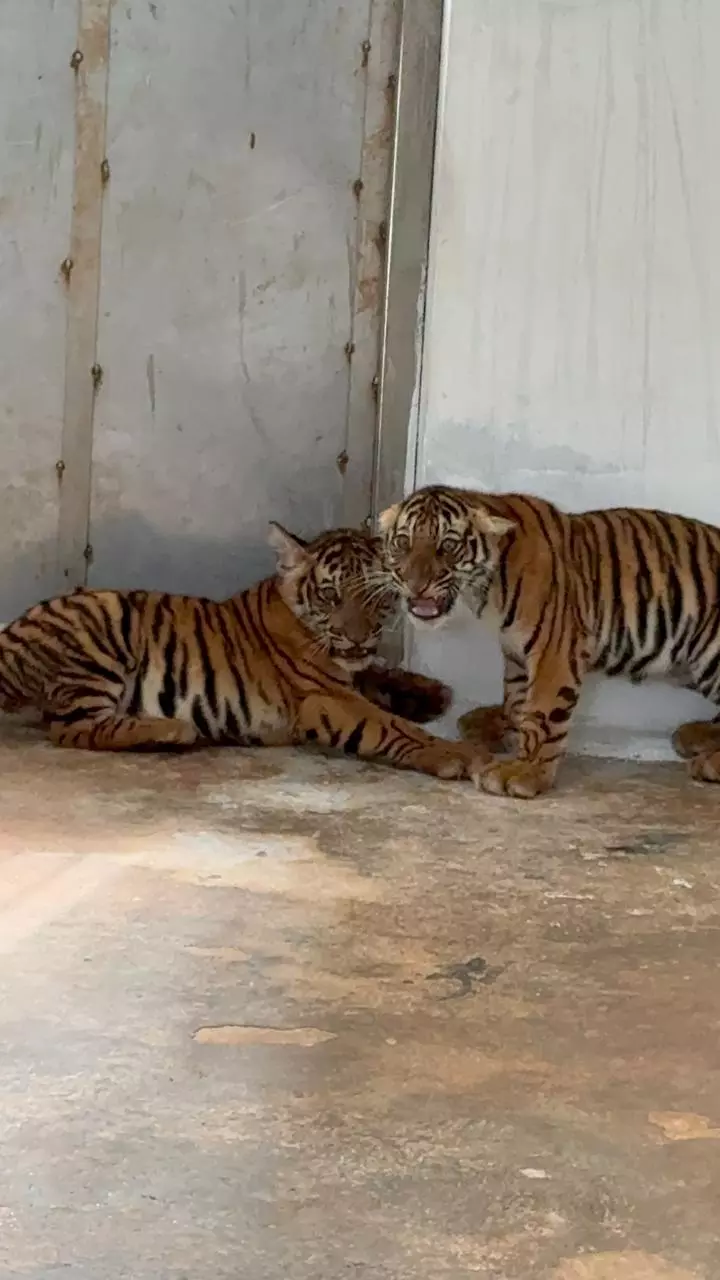
The latest capture came near Gundlupet, where a tigress with three cubs was located just 300 metres from Kallahalli village. She had been preying on cattle for weeks, prompting officials to intervene after villagers reported two livestock kills within a few days. Using drones and elephants, forest staff spotted her in the evening but had to wait until morning to dart and capture her safely with her cubs. Talk about combing operations.
The tigress, estimated at four to five years old, was not listed in any official photo database — a disturbing sign of how fragmented monitoring has become. She represents an unrecorded life from India’s most monitored tiger state, a symbol of how combing operations are reactive rather than preventive, as reported by Star of Mysore.
Ten Tigers in Twenty-Five Days – combing operations at its best
Between October 16 and November 10, at least ten tigers have been captured in the region — each a casualty of the widening combing operations following a series of human deaths. What began as a hunt for one “man-eater” has turned into a campaign that traps indiscriminately.
Experts say this violates multiple NTCA guidelines, which require identification through DNA or stripe analysis before any capture. “Instead of isolating the responsible animal, the department is catching every tiger in sight,” said a retired Bandipur officer. “This chaos doesn’t protect humans or tigers. It only adds to suffering.”
The human cost is heavy. Families like that of Danda Nayaka, who was killed while working his fields, have been promised compensation but little understanding. His death and others have been used to justify aggressive combing operations that ignore long-term coexistence solutions.
Governance by Fear
Local politics has deepened the crisis. Forest postings in hotspots like Hediyala are reportedly influenced by political recommendations, leaving underqualified officers to manage high-conflict areas. According to senior insiders, even the minister was misinformed about field conditions, leading to rash orders.
The department’s credibility erodes further with each transfer and photo-op. Villagers now see every forest vehicle as a symbol of failure. In places like Badagalapura and Hale Heggudilu, dusk brings lockdown — no one leaves their homes. Fear has become routine.
A System That Captures, Not Protects
The forest department maintains that the combing operations are necessary for public safety. But the numbers tell another story: cubs separated from mothers, adult tigers tranquilised multiple times, and relocation centres overflowing with confused, stressed animals.
At the Chamundi Wild Animal Rescue and Rehabilitation Centre, at least seven tigers are under observation. One male, caught with a snare wound around his neck, is recovering after emergency care. Staff say the animal was so weak it needed multiple feedings. Such conditions expose the real cost of hasty intervention.
This cycle of capture via combing operations and confinement echoes the grim lessons from India’s retaliation killings — when reactive measures replace planning, both humans and wildlife lose. Tigers caught for being “suspected killers” rarely return to the wild; they spend their lives behind bars, punished for human failure.
Villages in Limbo
In Saragur taluk, daily life is now dictated by fear. “We cannot work late or guard fields anymore,” said one farmer. “Once the sun sets, the forest owns the land again.” With agriculture shrinking and tourism rising, villagers feel trapped between two worlds — ignored by administration yet blamed when tigers attack.
Alcohol has become an escape, and with it, more risk. Forest officers quietly admit that some attacks happen when men wander drunk into the fields. Still, the state has no long-term education or mitigation strategy. Cameras and elephants cannot replace trust.
A Tiger State in Decline
Karnataka’s reputation as a tiger stronghold is now stained by disarray. Instead of learning from Bandipur’s history of coexistence, the state repeats old mistakes — chasing headlines instead of managing landscapes. Illegal resorts multiply in buffer zones, forest veterinarians remain scarce, and transparent communication with the media is absent.
Even as forest staff risk their lives, leadership fails them. “Without clear accountability, every combing operation becomes another show,” said a conservationist. “The result is neither safety nor science — just silence.”
The Larger Pattern
This crisis reflects a national problem: tiger management still prioritises control over coexistence. India’s tiger reserves are not only habitats but political tools. When human deaths occur, ministers act fast; when forests are destroyed, they act never.
If Karnataka continues down this road, the tiger will survive only in cages after combing operations while the word “conservation” becomes a slogan. True coexistence requires humility — to listen, plan, and respect the space tigers need to live. Until that happens, both species will remain trapped in their own forms of fear.
Source: Star of Mysore, India
Photo: Star of Mysore, India