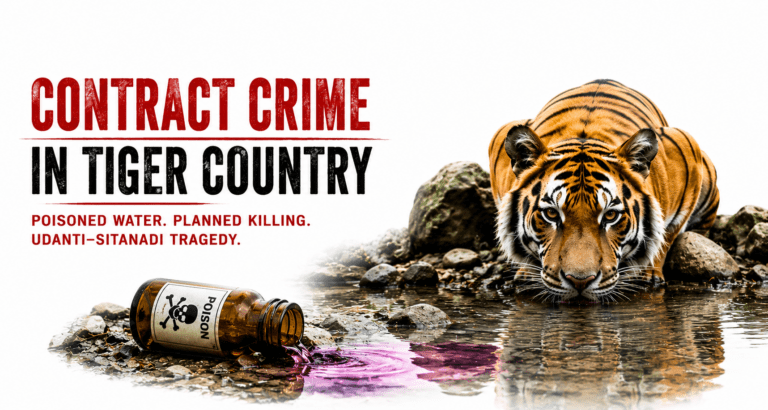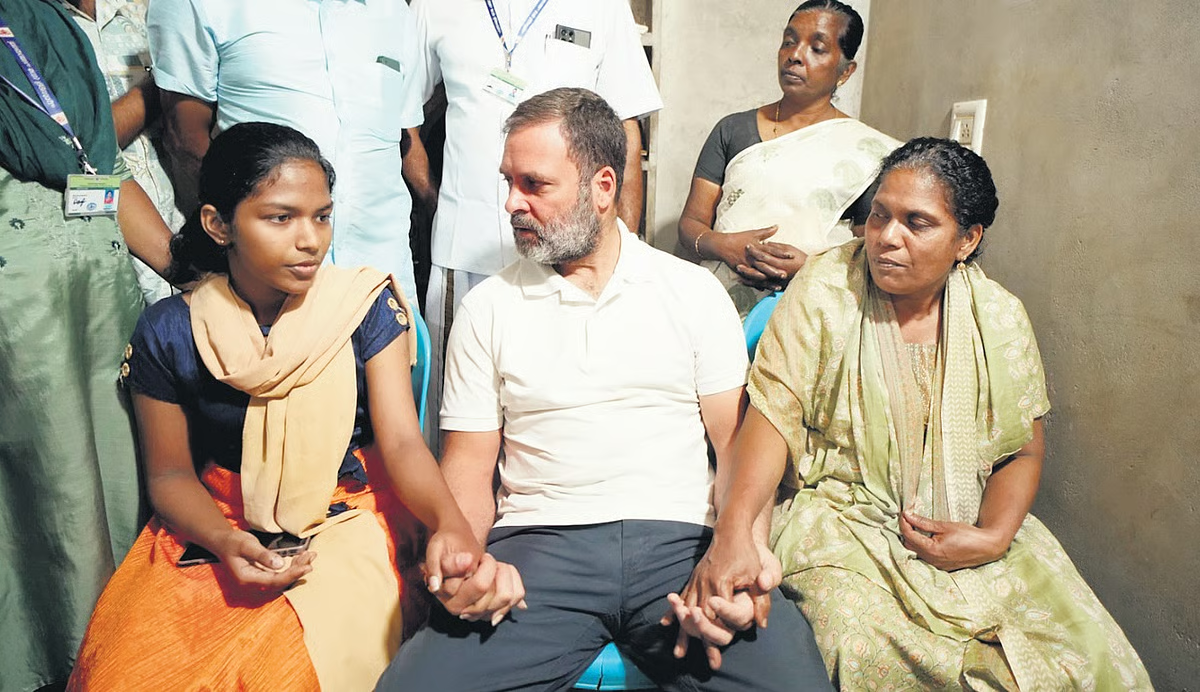
Election abuse defines the new political playbook in Kerala’s local body elections, as reported by as reported by Good Men Project. Human–wildlife conflict, once treated as an ecological challenge requiring planning and empathy, has been hauled onto the campaign stage as a tool to exploit fear. Political leaders have discovered that fear mobilises, panic persuades and grief can be shaped into electoral advantage. As forest-fringe communities struggle with daily incursions from multiple species, parties fight not to protect them, but to dominate the narrative.
How A Real Crisis Became Election Abuse
According to the Forest Department, 273 grama panchayats now report human–wildlife conflict, with 30 classed as severe zones. These areas stretch from Wayanad to Idukki and across Palakkad and Thrissur, where crop damage, livestock losses and safety fears shape daily life. What should prompt collaborative governance instead fuels competitive posturing. Each party insists it has done the most, or that its rivals have done the least, while the structural failures that drive the crisis remain untouched.
In Idukki, Kottayam, Pathanamthitta and Ernakulam, farmers face crop destruction from bonnet macaques, wild pigs and Malabar giant squirrels. In Palakkad, gaurs have caused fatal encounters. Meanwhile peacocks have expanded dramatically, damaging paddy and vegetables, leading some farmers to abandon cultivation entirely. And of course, we all know about the tigers on the many plantations that keep encroaching tiger habitat. These region-specific challenges require data-driven planning, habitat restoration and long-term investment. Instead, during election season, they become fodder for speeches engineered to heighten panic.
The repeated appearance of election abuse in this article underscores how political opportunism hijacks ecological truth.
Parties Turn Hardship Into Theatre
The ruling LDF claims its deployment of rapid response teams, electric fencing and increased staffing shows unprecedented commitment. Yet even its own representatives admit that incursions still occur and fear persists. The UDF accuses both State and Centre of neglecting farmers’ suffering, citing long-delayed infrastructure projects and unclear forest boundaries. The BJP alleges mismanagement, invasive species, and misuse of central conflict-mitigation funds.
None address the core reality: election cycles amplify the crises that deliver emotional impact, not the crises that cause the greatest loss. Kerala recorded 48,000 road-accident deaths in 2023—8.5 deaths per 100 accidents. Cancer claimed more than 32,000 lives. Kerala’s suicide rate continues rising in a State that brands itself God’s Own Country. Yet these profound tragedies rarely dominate campaign messaging.
Wildlife conflict, however, is immediate, dramatic and visually powerful. Politicians rush to scenes with cameras, convert isolated incidents into rally talking points and inflate risk into a campaign weapon. Fear becomes a resource. Fear becomes a vote-multiplier. This is the essence of election abuse: turning the suffering of forest-fringe families into political capital.
Fear Politics Instead Of Real Solutions: Election Abuse
The proposed Wild Life Protection (Kerala Amendment) Bill, 2025 illustrates this dynamic. Marketed by the government as a decisive solution, and dismissed by the opposition as a poll tactic, the Bill enables the State to categorise species as vermin without central approval and allows faster lethal responses. Environmentalists warn that such measures prioritise political performance over science, risking irreversible damage to Kerala’s already fractured ecosystems.
Real solutions require:
• proper land-use mapping
• restored and connected habitats
• compensation reforms
• early-warning systems
• community-based protection teams
• long-term ecological planning
But none of these deliver quick applause at rallies. None can be condensed into one-liners or weaponised against opponents. So instead of structural change, voters receive symbolic gestures, hurried announcements and inflammatory messaging designed to maintain agitation until polling day.
Forest-fringe communities need transparency, empathy and science—not election abuse that elevates fear above fact.
Kerala cannot allow its ecological challenges to be used as convenient tools for election abuse. True progress begins when communities reject fear-mongering and demand accountability in politics, insisting that leaders confront the real drivers of conflict with honesty, competence and long-term commitment.
Source: The Hindu, India
Photo: New Indian Express, India