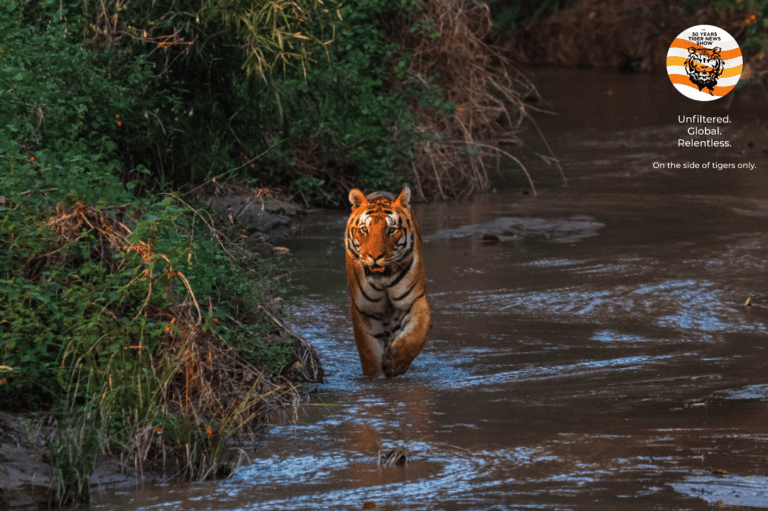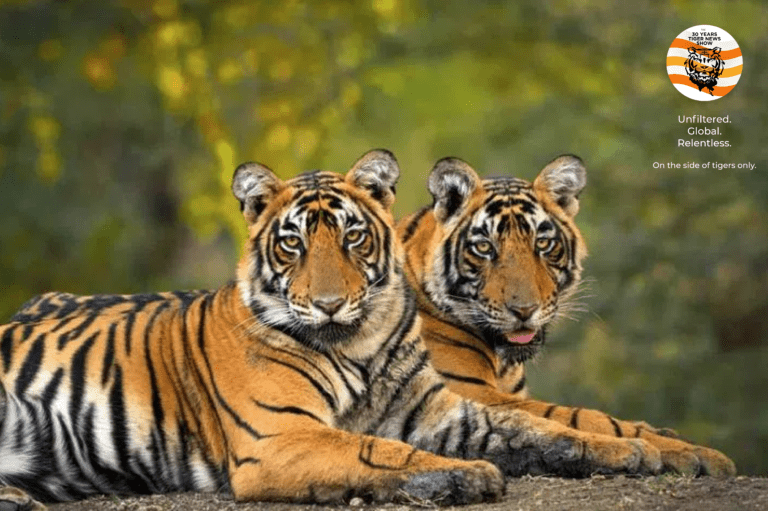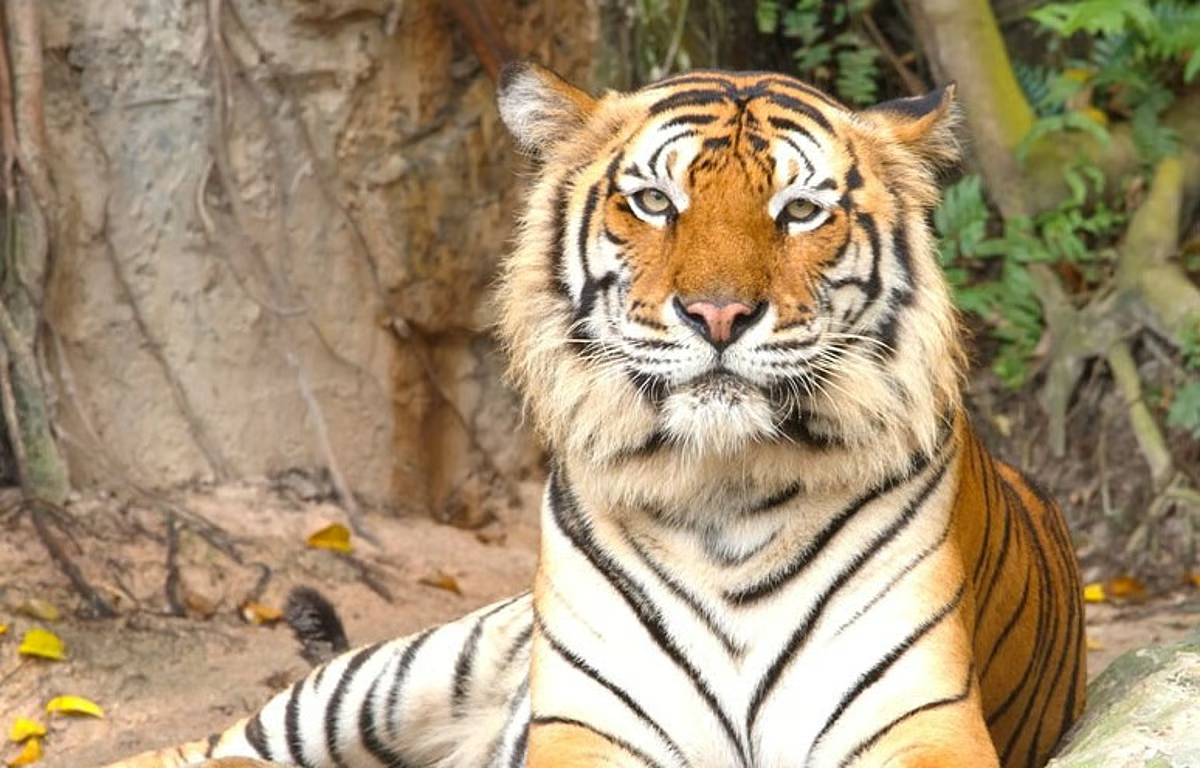
The media framing of a territorial tiger near Dimuwal GGS-1 in Sivasagar, Assam, as a source of terror, like in Indian news outlet The Sentinal Assam, reveals a profound and continuous failure of human systems to adapt to the reality of the natural world. Residents of the Dimuwal area are currently experiencing significant distress following several attacks on livestock, but this anxiety must not eclipse the core issue: the persistent encroachment of human activities into established wildlife corridors and tiger habitats.
When a top-tier predator uses a newly restricted landscape to search for sustenance, which includes opportunistic attacks on domestic cattle, the outcome is tragic for the human families involved. However, the ultimate responsibility for this destructive conflict rests squarely with failures in planning and governance, not with the natural, necessary instincts of the tiger. But is it terror?
The accounts from Sivasagar detail a tiger that has been visible for several days, preying on cattle and causing villagers to fear entering their fields. This is the predictable outcome when unchecked human expansion squeezes natural habitats to a breaking point. Instead of being viewed through the lens of animal malice, these incidents must be analyzed as direct consequences of political negligence and poor land use planning. Not terror. Terror is a deliberate act by humans.
The terror of Displacement and Human Failure
The tiger is simply following the only operational rule it knows: secure a meal. The human beings demanding immediate action from the Forest Department—specifically the setting of a trap for capture—are acting out of legitimate fear of loss, yet the requested solution of removal is a short-term failure that neglects the root cause of the crisis.
The instinctual call to remove or relocate the tiger is not a solution, but a surrender to the idea that humans and wildlife cannot coexist. Every captured animal represents a complete failure of the surrounding resource management. Tigers require space and prey, and when this is systematically denied by logging, farming, and infrastructure, these conflicts become inevitable.
This is a pattern of human behavior enabled by negligent governments who prioritize rapid, often corrupt, development over ecological integrity. The true terror lies in the fact that, year after year, the default response to conflict remains the removal of the animal, effectively punishing the victim of habitat destruction. This dangerous cycle of displacement is fueled by biased media narratives, as reported by The Sentinel, which perpetuates the myth of the predatory monster rather than the displaced animal.
The pressure on authorities to ‘restore peace’ quickly bypasses any complex, lasting strategy. This tendency to seek quick fixes over structural change, often influenced by the press, is a well-established pattern, as examined in a detailed review of tiger marketing myths. The immediate demand for a trap demonstrates a cultural acceptance that human life is always prioritized through displacement, a stance that has underpinned the decline of wild tiger populations for decades.
Promoting Coexistence and Rejecting Trap-Based Solutions
It is incumbent upon conservation organizations to reject the language of fear and instead shift the conversation toward accountability. The solution is not to remove the tiger, but to implement robust, early-warning systems and land-use strategies that effectively manage the interface between human settlements and forest edges. The Forest Department’s focus should be on promoting high-tech coexistence tools rather than relying on outdated and often fatal capture methods.
Promoting technological solutions represents the only ethical path forward that honours human safety without sacrificing the tiger. Infra-red monitoring, drone patrols, and AI-driven early-warning systems can provide real-time alerts to villagers about tiger movement, allowing communities to protect themselves and their livestock before conflict occurs. This proactive approach transforms the dynamic from fear-driven reaction to informed coexistence. While honoring the human loss of livestock is essential, the proposed solutions must always oppose the removal of the tiger from its territory.
The human population near the Dimuwal GGS-1 must be supported with compensation for losses, but more critically, they must be empowered with the tools and planning necessary to safely share the landscape. The continued use of terms like terror in reference to a hungry animal obscures the human-induced reality of the situation. This rhetorical failure suggests that humanity has learned little from its past mistakes regarding wildlife management.
Only through rigorous emphasis on human responsibility, political accountability, and the deployment of advanced technology—such as satellite monitoring and AI patrols—can the pattern of conflict be broken. The tigers of Sivasagar, and indeed across all of Assam, deserve a future where their natural hunting behavior is not met with an automatic death or removal sentence, but with a planned, technological and respectful commitment to shared space, breaking the cycle of terror and displacement.
What they don’t need, are media outlet that put oil on the fire by calling it terror. It bends the truth in the wrong way.
Source: Sentinel Assam, India.
Photo: Sentinel Assam, India.